
Published 31. 8. 2026
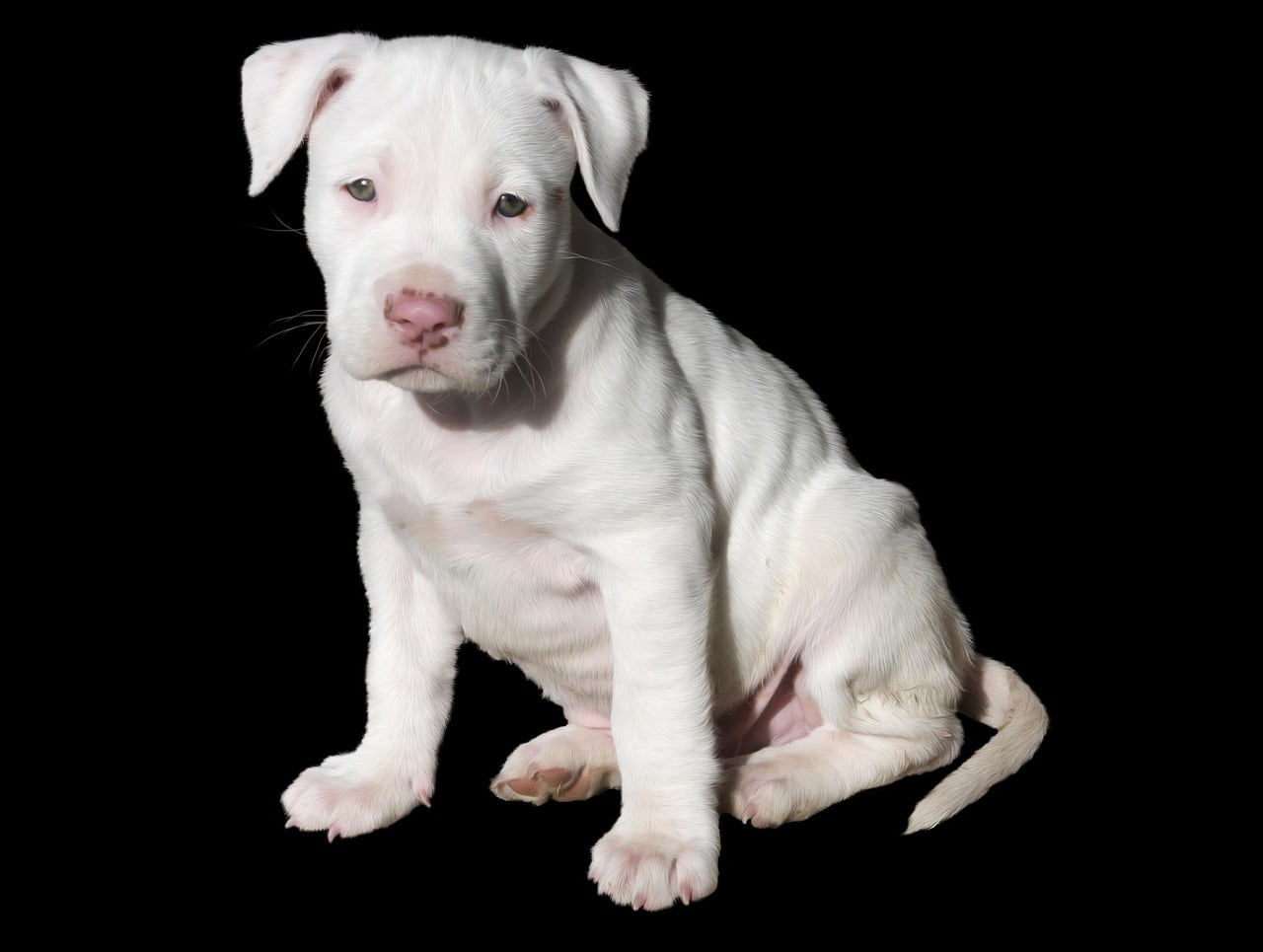
The American Staffordshire Terrier is a medium-sized, muscular breed from the United States, classified in FCI Group 3 among bull terriers (standard no. 286). The Amstaff, as it is commonly called, is a dog with significant physical strength and a confident, calm expression - but it is definitely not a lazy couch companion. It needs plenty of exercise and mental exertion, otherwise its energy will manifest itself in undesirable ways.
The American Staffordshire Terrier is loyal and strongly attached to its family, and is generally friendly with children, but can be difficult to get along with other dogs, so it requires a more experienced owner who can handle consistent training and socialization from puppyhood. It is more suited to active people who can provide the dog with regular exercise and clear rules than to beginners or seniors looking for an easy-going companion.
Professionally consulted
The content was created in cooperation with the veterinary clinic Veterinární klinika VYVET sro and MVDr. Adam Hylák.
Quick overview
What is the American Staffordshire Terrier like?
The American Staffordshire Terrier is a medium-sized, muscular breed from the USA, classified in FCI Group 3 among bull terriers. It is a dog with a high need for exercise and mental stimulation, which needs to discharge its energy regularly and meaningfully - it does not suffer well from boredom or inactivity. It can be trained with medium difficulty, but requires consistent and more experienced leadership, so it is better suited to more experienced owners than complete beginners.
By nature, it is a social dog strongly attached to the family, it is friendly with children, but it gets along better with other dogs and it needs to be approached individually when living with cats. Its coat is short and does not require much care, and its shedding is moderate. Thanks to its low barking and drooling, it is undemanding in the household, but it is more suitable for an apartment with one caveat - it needs plenty of exercise outside. It is not an ideal choice for seniors or for those with a quiet, low-activity regime.
Origin and history of the American Staffordshire Terrier
The American Staffordshire Terrier is a descendant of the 19th-century English fighting dogs, which were bred by crossing bulldogs and terriers for the then-popular, now-banned blood sports of dogfighting and bull-baiting. These ancestors, collectively known as Staffordshire Bull Terriers, were brought to the United States by a wave of immigrants in the second half of the 19th century, where farmers and settlers in the Midwest and South continued to breed them for more practical uses—guarding farms, hunting vermin, and working with livestock, where courage and physical strength were valued.
In the American environment, the original type gradually developed into a more massive and well-built dog, different from its British ancestors. In parallel, a line bred purely for fighting was also created, later known as the Pit Bull Terrier. The effort to separate working and companion dogs from the fighting heritage led to the breed being registered in the USA under a new name and with a clearly defined standard that emphasized the body structure and temperament suitable for a family and show dog, not for fighting.
As the 20th century progressed, the American Staffordshire Terrier established itself as a separate breed recognized by national canine organizations and the FCI, classified in the bull terrier group. Today, it differs from its close relative, the Staffordshire Bull Terrier, primarily in its larger stature and more powerful skeleton, while the basic temperament – courage, tenacity and strong attachment to humans – has been preserved from the historical type.
Appearance and size
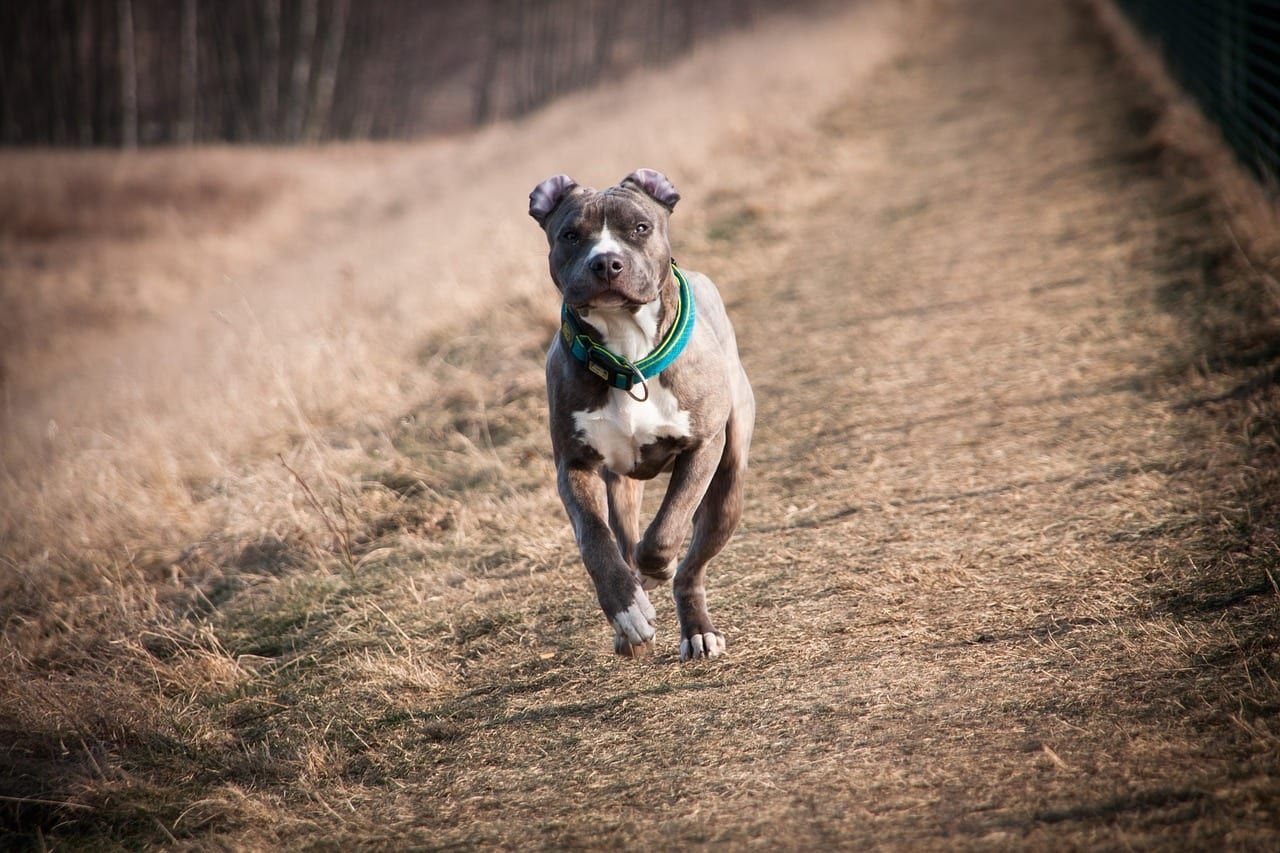
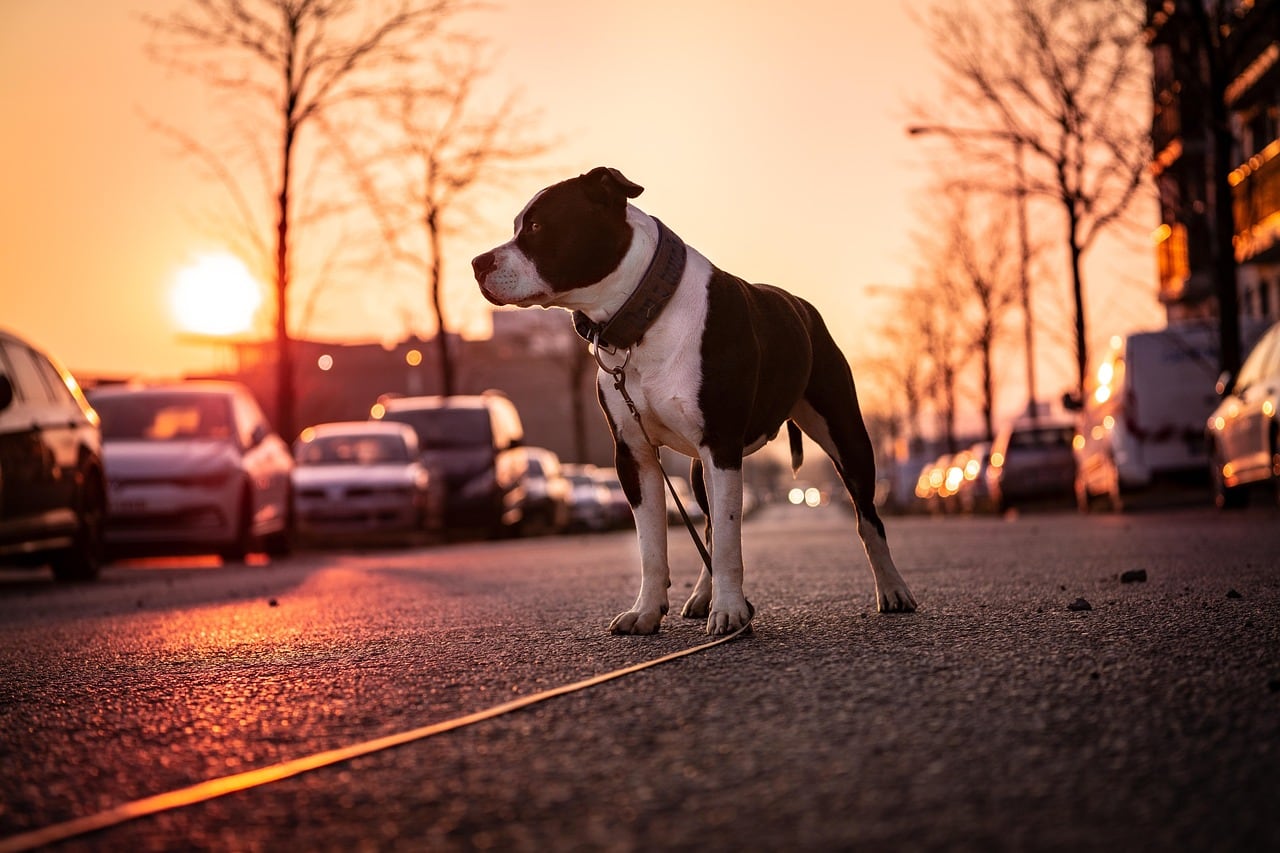
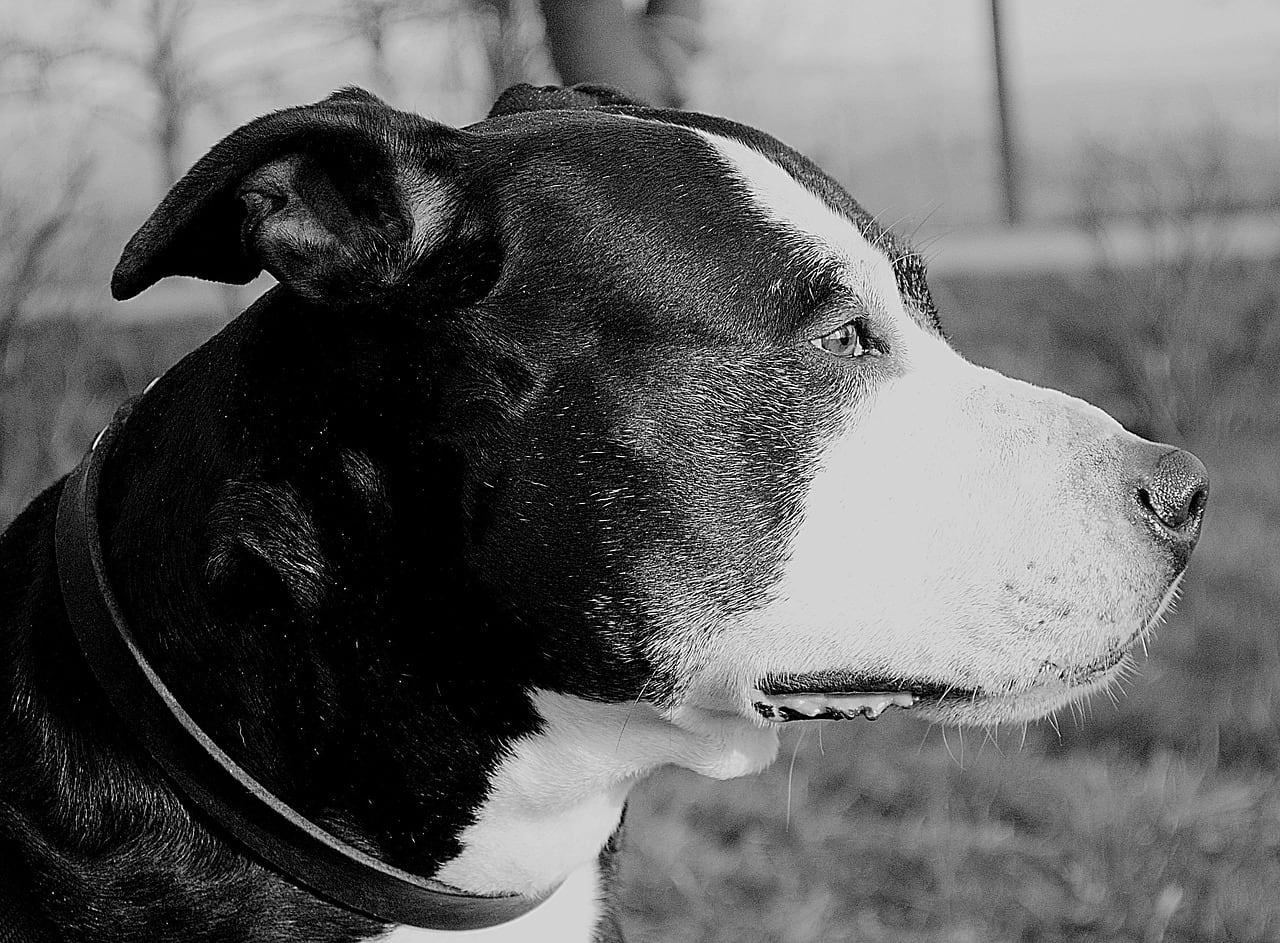
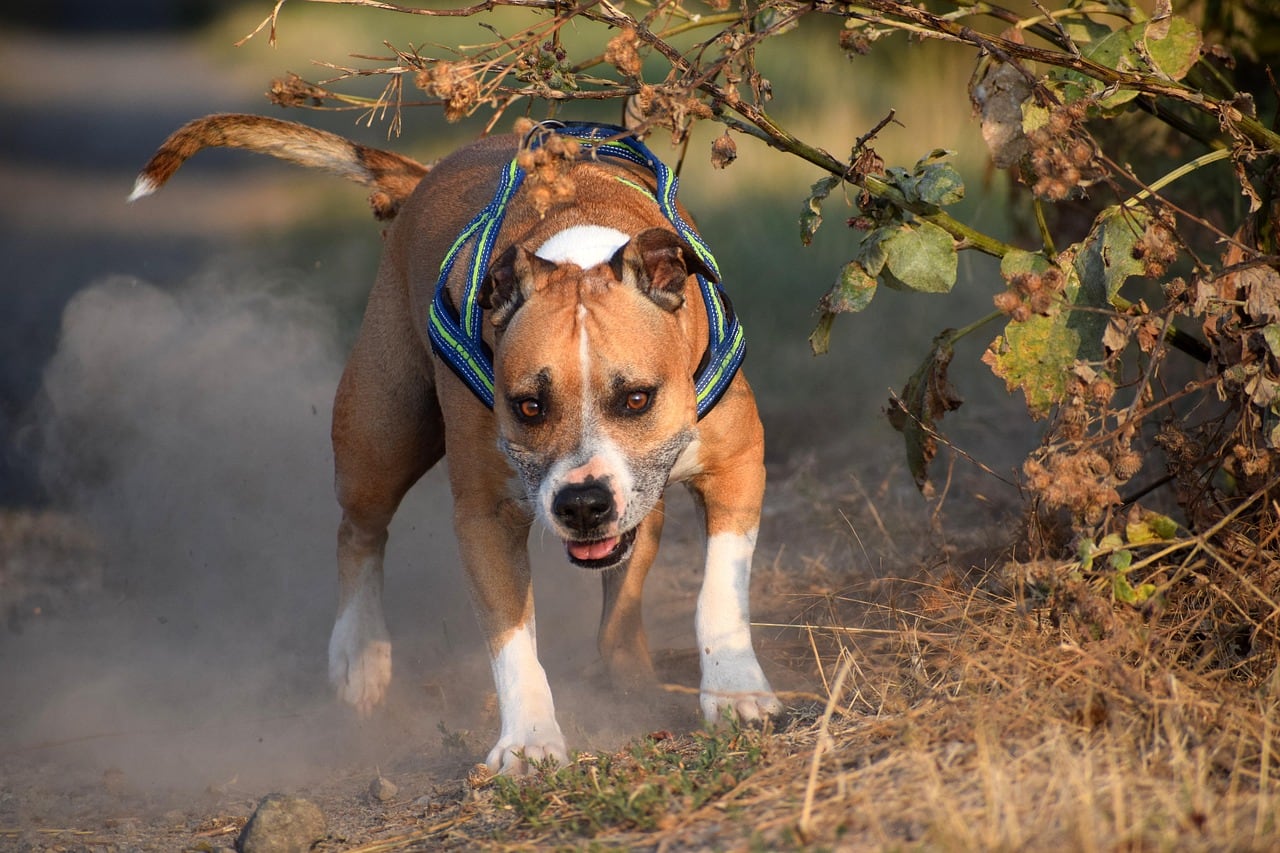
The American Staffordshire Terrier is a medium-sized breed with a sturdy, compact body, as is reflected in its classification in the FCI section of bull terrier-type breeds. The body is muscular and solid, the overall impression is powerful, yet without being heavy - this is a dog built for movement and physical work, not for ostentatious elegance.
The American Staffordshire Terrier's coat is short, smooth, and close-fitting, which means it requires minimal grooming and doesn't trap excessive dirt - brushing is more for removing dead hair during the shedding season than for untangling matted fur, which is not common with this breed.
The standard does not distinguish between male and female any significantly different proportions.
American Staffordshire Terrier Colors
The FCI standard No. 286 for the breed accepts a wide range of coat colors and their combinations, however, the specific list of recognized and excluded color variants is determined by the standard itself and breed clubs - those interested in a puppy should check it directly with the breeder or in the current version of the standard, as it also includes rules for judging at shows.
American Staffordshire Terrier Personality
The Amstaff is a dog with a balanced, confident temperament - energetic and courageous, but at the same time without unnecessary nervousness or aggression towards people, if it is properly led. It builds a very strong bond with its owner and needs to be a full part of the family - long-term isolation or neglect does not suit it, because its need for company is high.
This is an intelligent dog that quickly learns what its owner wants from it, but at the same time it can be independent and test its boundaries. Training therefore requires consistency and patience - even a less experienced owner can handle it if they are willing to devote time to it and do not rely on obedience to come by itself. Lack of mental and physical stress in the Amstaff is manifested by restlessness, destructive behavior or pulling on the leash, because it is a dog with a high level of activity that needs regular exercise and tasks.
In relation to the family, the Amstaff is cuddly, communicative and likes to seek closeness to people, including children, to whom it is usually patient and kind. It may look different in relation to foreign dogs - many individuals have a reduced tolerance towards them, so socialization from a puppy and caution when meeting other dogs are in order. Its reaction to cats and other animals in the household is very individual and depends on specific experience and upbringing.
The guarding instinct of the Amstaff is not a primary feature of the breed - it barks little and usually behaves more restrained than threateningly towards strangers, so it is not appropriate to rely on it as a watchdog. A typical manifestation is rather a strong will combined with a desire to be an active part of the events around the owner, which makes it a social dog suitable for more experienced and active breeders.
American Staffordshire Terrier and children
This breed is rated "rather yes" in relation to children, which means that coexistence is usually problem-free, but not automatically risk-free, with proper upbringing and supervision. The Amstaff is a physically strong, spirited dog with a high need for activity and mental stimulation, and it is this combination of strength and energy that is why interactions with children are always worth monitoring and managing.
Temperament and what it means for a family with children
This is a dog with a strong bond with its family and a high need for human company - long-term isolation or lack of contact does not suit it. It is lively and sometimes rough in play, especially in the puppy and young dog period, when its coordination and impulsiveness are not yet fully developed. Smaller children can therefore be accidentally knocked down or scratched in the heat of play, not because of aggression, but because of the dog's strength and temperament.
Socialization and upbringing
Early and consistent socialization of the puppy plays a key role - contact with children of different ages, their habits of movement, loudness and unpredictable behavior should be gradual and positive. Given that the training of this breed is usually classified as moderately demanding, the Amstaff needs clear rules and consistent leadership from puppyhood - inconsistency in upbringing can result in poorer controllability in tense situations, for example, when it gets overly excited while playing with children.
Adult supervision
Regardless of the temperament of a particular individual, it is recommended that the dog's contact with young children is always supervised by an adult who can recognize when the game is turning into excessive excitement and direct the dog and children in time. This is especially true since the breed, according to available characteristics, does not get along well with other dogs - this is important to keep in mind when walking around playgrounds or in places with free-roaming dogs, where it is appropriate to actively control the situation.
American Staffordshire Terrier and other dogs and pets
Coexistence with other dogs is often problematic for this breed - it often has a reserved and even conflictive attitude towards its fellow dogs, especially towards individuals of the same sex. This is based on the history of the breed, which was purposefully bred in America for fights with other dogs, and this hereditary tendency to dog aggression is manifested in many individuals regardless of upbringing. Therefore, it is not recommended to include the Amstaff in a pack without caution or to let it freely go out among other dogs on walks.
The relationship with cats and small animals is individual and difficult to predict. If a dog grows up with a cat from a puppy, it usually gets used to it and accepts it as part of the household. However, with strange cats or small animals outside the home, the hunting instinct and chasing instinct may manifest, so it is advisable to always carefully control the contact.
Recommendations for owners
- Start socialization with dogs as early as possible and maintain it throughout life, ideally under the guidance of an experienced dog trainer.
- Introduce a new dog into the household or for a walk gradually and under supervision, never rely on a random encounter without a leash.
- Build coexistence with a cat from puppyhood, and for an adult dog, allow for an adaptation phase and a secured escape space for the cat.
- For small animals (rodents, birds), ensure constant supervision due to their natural hunting instinct.
Is the American Staffordshire Terrier suitable for an apartment?
An apartment suits him rather conditionally – an Amstaff belongs in an apartment if the owner can fulfill his high need for exercise and mental stress. He himself is a dog with low barking and undemanding coat care, so as a neighbor in a block of flats he does not cause problems with noise or mess from shedding, which is only at a moderate level. The stumbling block lies elsewhere – in the energy that he has to channel somewhere.
He can handle a quiet regime at home well if he has previously received a sufficient amount of exercise outside. Without it, he quickly gets bored in a small space and his high need for mental stimulation turns into restlessness, biting or other undesirable manifestations. Therefore, the apartment functions as a place to rest, not as a substitute for walks, runs or training activities.
- Space: the size of the apartment is not crucial, what is more important is enough space for regular walks in the area.
- Calm: at home he is calm and quiet, he barks little.
- Exercise: needs longer and more intense exercise every day, not just a short walk to the bathroom.
- Society: Due to their high need for human contact, they do not tolerate long periods of solitary stay in an apartment without an owner.
Apartment breeding makes sense especially for active owners who provide them with enough exercise every day and also engage in dog training - without this, living together in a smaller space can be more challenging than it seems at first glance.
How much exercise does it need?
The Amstaff needs at least an hour or two of active exercise a day, divided into several walks and play sessions - this is a breed with strong muscles and energy that needs to be released regularly. Just walking freely on a leash is not enough, they will appreciate dynamic activities where they can engage their whole body.
Suitable activities
- Fetching and games with a tug ball or rope
- Canicross or running alongside the owner
- Agility and other agility sports
- Weight pulling and similar strength disciplines
- Obedience training focused on concentration and cooperation
In addition to physical exercise, mental exercise is equally important - the Amstaff needs tasks that keep him mentally busy, otherwise he easily becomes restless or destructive. Suitable are search games, training elements focused on obedience and self-control, or interactive toys with rewards.
Thanks to their short coat and body structure, they are not among the breeds with breathing difficulties typical of brachycephalic breeds, but on hot summer days it is recommended to shift more intense exercise to cooler parts of the day and watch for signs of overheating, especially during endurance activities.
Training and education
Raising an American Staffordshire Terrier requires a more experienced owner who can offer clear rules while guiding the dog without harsh pressure. The breed is intelligent and docile, but its strong will and temperament mean that training should be consistent from puppyhood - which is why it is not suitable for a first-time dog owner.
Amstaff is best motivated by cooperation with a person, praise and the opportunity to physically release itself, not harsh methods or dominance. Positive reinforcement is proven - a reward for desirable behavior, working with treats or a toy and training divided into shorter but regular lessons. Due to the high need for mental stimulation, it appreciates tasks that keep its head busy, such as obedience exercises, sports disciplines or finding treats.
Socialization
Early and thorough socialization is key, as the Amstaff may not automatically get along with other dogs, and it is advisable to gradually and sensitively accustom him to foreign stimuli from puppyhood. Regular contact with different people, environments and situations helps raise a balanced and confident dog that does not react unnecessarily irritable.
Specifics of training
- High need for exercise and mental stress – without sufficient exercise, he can become restless or destructive.
- A strong bond with his family requires spending enough time with him; isolation does not suit him.
- Due to possible conflicts with other dogs, it is advisable to train them to walk on a leash and calmly pass other dogs in the field.
- Consistent approach from all family members – inconsistent rules lead to testing of boundaries.
Hair care and hygiene
The Amstaff's short, smooth coat is one of the easiest to maintain - just brush it once a week with a rubber brush or a fur glove to remove loose hair and keep the surface shiny. Bathing is only necessary when absolutely necessary, as frequent washing can dry out the skin.
Molting
Shedding is moderate and occurs throughout the year, without the pronounced seasonal waves typical of breeds with undercoats. Regular brushing will keep the coat in good condition and reduce the amount of hair in the home.
Ears, eyes and teeth
It is advisable to check the ears regularly and, if necessary, clean them gently to prevent the accumulation of sebum and unpleasant odor. The eyes can be monitored visually and any discharge wiped with a damp cloth. Teeth cleaning should be a regular part of care - it helps prevent tartar formation and gum problems.
Claws
Claws need to be trimmed regularly, especially if the dog is less likely to walk on hard surfaces that would naturally wear them down. Claws that are too long can affect the dog's posture and movement.
Feeding
The Amstaff should receive a high-quality complete food adapted to its age, size and high level of physical activity - a puppy, an adult and an older dog have different requirements for energy value and composition of the diet. Given its muscular, compact body structure, it is advisable to choose a food with a sufficient proportion of quality proteins that support the maintenance of muscle mass.
Because this is a breed with high activity, but at the same time with a tendency to live comfortably with a lack of exercise, it is important to continuously adjust the amount of food to the actual load of the individual. Dogs that spend more time resting than exercising are at risk of relatively rapid weight gain if their food intake remains unchanged.
Physical fitness check
It is recommended to regularly monitor the physical condition of the Amstaff by sight and touch - the ribs should be easily palpable under a thin layer of subcutaneous tissue, and the waist should be noticeably narrowed at the hips. Excess weight puts a strain on the joints and musculoskeletal system, which should be taken seriously in such a muscular and active breed.
- Choose food according to the age, size and physical activity of the particular dog.
- Regularly check your physical condition and adjust the dosage according to your current condition.
- Limit the amount of treats, or count them in your total daily intake.
- Pay increased attention to fitness in less physically active individuals who are at risk of becoming overweight.
How long does an American Staffordshire Terrier live?
We do not have an exact number for the lifespan of the Amstaff based on reliable data, but in general, breeds of similar size and build are expected to live for one to one and a half decades if the dog grows up in good condition and without major health complications. The specific age is always influenced by a combination of genetics, lifestyle and the care that the owner provides the dog.
What affects lifespan?
- Genetics and origin of the puppy: the health of the parents and the responsibility of the breeder play a crucial role - proven breeding reduces the risk of inherited burdens.
- Physical condition: The American Staffordshire Terrier is a muscular, athletic breed, in which excess weight puts unnecessary strain on the joints and heart and can shorten their lifespan.
- Exercise and mental stress: due to its high activity and need for mental stimulation, it needs regular and sufficiently demanding physical and mental exercise, otherwise it easily becomes tired and gains weight.
- Preventive veterinary care: regular check-ups, vaccinations, and timely resolution of health problems can extend the active and quality part of a dog's life.
- Nutrition: a balanced diet appropriate for age, weight and energy expenditure helps maintain muscle mass and prevents metabolic problems.
- Health predisposition: the breed may have an increased predisposition to certain hereditary diseases, so it is advisable to choose a puppy from a breeder who actively monitors and tests the health of the parents.
Who is the American Staffordshire Terrier suitable for?
The Amstaff is best suited to people who can provide him with plenty of exercise, regular mental stimulation, and consistent but calm leadership from a puppy. This breed has a strong bond with its family and a high need to be with people, which is best suited where the dog does not spend much of the day alone.
Who is the breed suitable for?
- For active owners who regularly go for longer walks, run or engage in dog sports.
- For more experienced breeders who already have experience with training and can set clear rules and boundaries.
- For families where the dog is a regular part of the daily routine and spends time mainly with people, not alone in the garden.
- For households with children, if the cohabitation is led and controlled by adults from the beginning.
- For owners who appreciate a dog with undemanding coat care, but with high demands on companionship and entertainment.
Who is the breed not suitable for?
- For complete beginners with no previous experience in raising a dog.
- For seniors or people looking for a calm, undemanding companion for short walks.
- For households where the dog would spend most of the day alone, without human company and stimulation.
- For owners who want to keep multiple dogs together without any problems - Amstaff often gets along worse with other dogs.
- For people who don't want to invest time in regular training and socialization.
Interesting facts about the breed
The American Staffordshire Terrier originated in the United States of America and over time separated from its European ancestor, the Staffordshire Bull Terrier, as a separate breed - the FCI keeps them separate, but both remain classified in the same group 3, section Bull type Terriers.
Interestingly, despite its fighting origins, it is classified as a low barking dog and has a high need for human contact - it is definitely not a solitary guard breed, but a dog that seeks the company of its family and does not tolerate loneliness well.
American Staffordshire Terrier Health
The American Staffordshire Terrier is a robust and athletic breed, which is generally expected to have good physical endurance due to its compact, muscular constitution. The short coat without undercoat reduces the risk of skin problems associated with moisture and odor, and its care is easy. As with any breed with significant muscle mass and high physical activity, it is advisable to pay attention to the gradual loading of the musculoskeletal system, especially during the growth period. Responsible breeding with targeted health testing of the parents is a key prerequisite for healthy offspring in this breed.
What to look for when choosing a puppy
When choosing a puppy, it is a good idea to ask the breeder for proof of the health of the parents and information about what tests the breeding animals have undergone. It is also useful to monitor the movement and general condition of the puppy and its siblings and ask about the health history of the line. A reputable breeder should be able to answer questions about the health of the ancestors and the tests used openly and support them with documentation.
Known predispositions
The breed is described to have an increased predisposition to:
- to hip dysplasia.
- to elbow dysplasia.
- to hereditary cerebellar ataxia (neuronal ceroid lipofuscinosis 4A) with the onset of clinical symptoms typically between the ages of 3 and 6.
- to allergies and skin problems such as atopic dermatitis.
- to ruptures of the cranial cruciate ligament.
- to cardiac diseases such as subaortic stenosis or pulmonary stenosis.
- to cancer.
- to juvenile laryngeal paralysis and polyneuropathy (ALPP).
- to progressive retinal atrophy.
- to hypothyroidism.
This overview is for informational purposes only and does not replace the examination or recommendations of a veterinarian.
What to buy for an American Staffordshire Terrier
Practical basis that is suitable for this breed:
- Car seats for dogs – Car seats and safety equipment for transporting a dog by car.
- Toys – Dog toys – fetching, chewing and interactive.
- Cosmetics – Shampoos, conditioners and hair care products.
- Bowls – Feed and water bowls, anti-swallow bowls and stands.
- Collars – Dog collars – leather, textile and semi-tight.
- Beds – Beds and mattresses for dogs of all sizes.
- Leashes – Leashes, switch leashes and tracking lines.
Useful instructions
Practical tips that are useful when caring for a dog:
Frequently asked questions
Is the American Staffordshire Terrier an aggressive dog?
No, aggression is not a typical trait of the breed – the Amstaff is a strong and confident dog with a high need for leadership. Problems arise more from poor upbringing or insufficient socialization than from a predisposition to temperament.
Is the Amstaff suitable for beginners?
Rather not, the breed requires a more experienced owner who can handle consistent training and provide enough exercise and mental stress. Without clear leadership and socialization, the breed can be difficult to manage.
Does the American Staffordshire Terrier get along with other dogs?
Probably not – the breed often shows lower tolerance towards other dogs, especially of the same sex. Therefore, early and systematic socialization from puppyhood is key.
How is the American Staffordshire Terrier suitable for children?
Rather yes, the Amstaff tends to be devoted and patient with children in the family. However, due to its strength, adult supervision is appropriate when playing with smaller children.
How much exercise does an Amstaff need per day?
The breed has a high activity level and needs regular, intense exercise and mental stimulation. A bored dog without enough exercise may develop undesirable behaviors.
Does the American Staffordshire Terrier shed a lot?
Shedding is moderate, the coat is short and easy to care for – regular brushing is sufficient. Drooling is low in this breed.
Is the Amstaff a noisy dog?
No, the breed has a low barking rate. It is not a typical whistleblower, but rather a quiet companion.
How difficult is it to train an American Staffordshire Terrier?
The training difficulty is medium - the dog is intelligent and docile, but needs a firm leader and consistent rules. Amstaff training should begin with socialization as soon as possible after arrival home.
What health predispositions should you look out for in an Amstaff?
The breed may be predisposed to certain joint and skin problems, it is advisable to consult the breeder and veterinarian about specific risks before purchasing a puppy. Amstaff health is worth monitoring throughout the dog's life through preventive examinations.
Is the American Staffordshire Terrier suitable for an apartment?
Suitability for an apartment is neutral – the key is to ensure enough outdoor movement and activities, not the size of the home. However, without sufficient exercise, restlessness can occur even in the apartment.
Is the Amstaff suitable for seniors?
Rather not, due to the high need for activity, the strength of the breed and the demands of training, it is more suitable for physically fit and experienced owners.
Where does the American Staffordshire Terrier breed come from and what was it originally used for?
The breed originated in the United States of America and is classified in FCI Group 3 among the bull terrier types of terriers. Details of the history and standard are described in the official FCI standard No. 286 .
Resources and further information
- FCI Standard No. 286 – American Staffordshire Terrier – Fédération Cynologique Internationale
- Predisposition resource - amstaff.org
- Source for predisposition - dogwellnet.com
- Body Measurement Source – pmc.ncbi.nlm.nih.gov
- Source on predisposition - pubmed.ncbi.nlm.nih.gov
Professional cooperation
This breed overview was created in cooperation with the Veterinary Clinic VYVET sro and MVDr. Adam Hylák .