
Published 15. 9. 2026
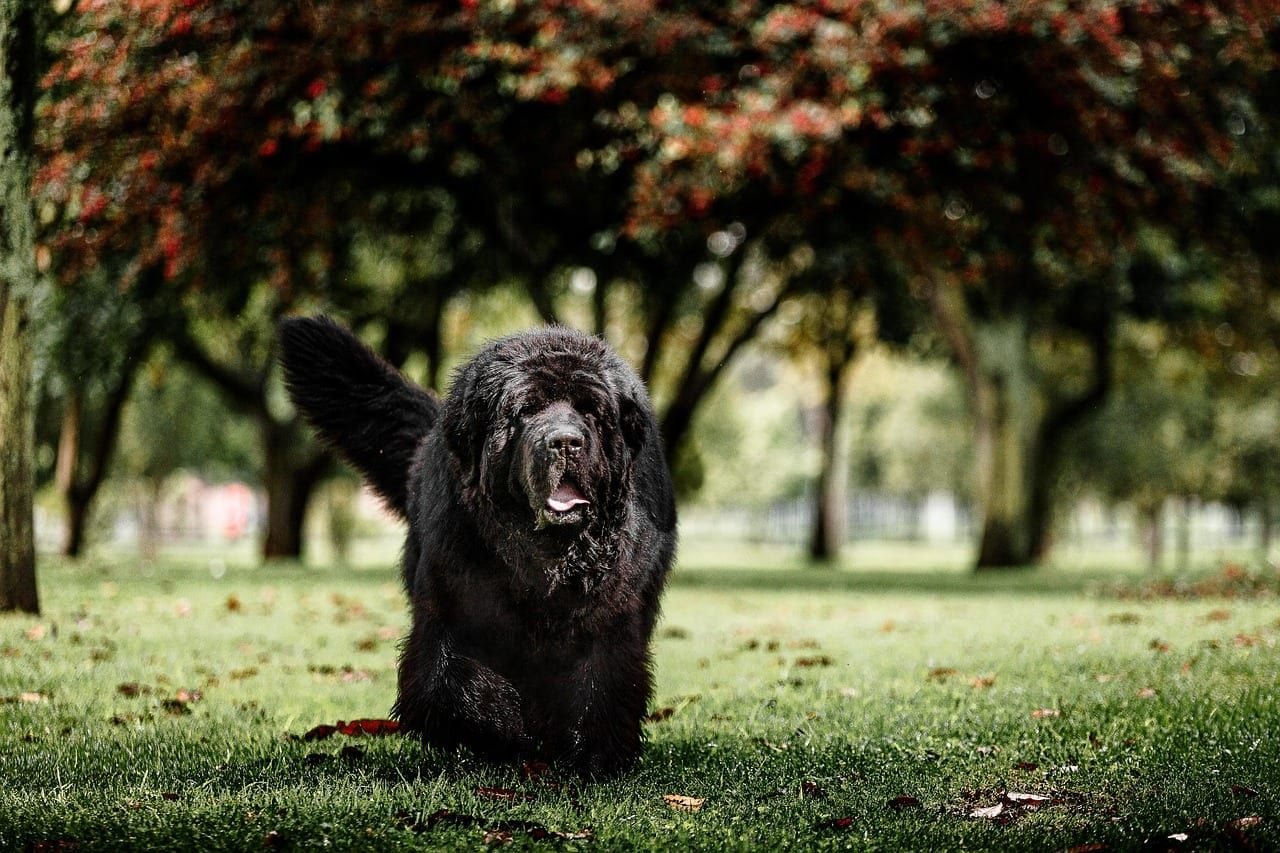
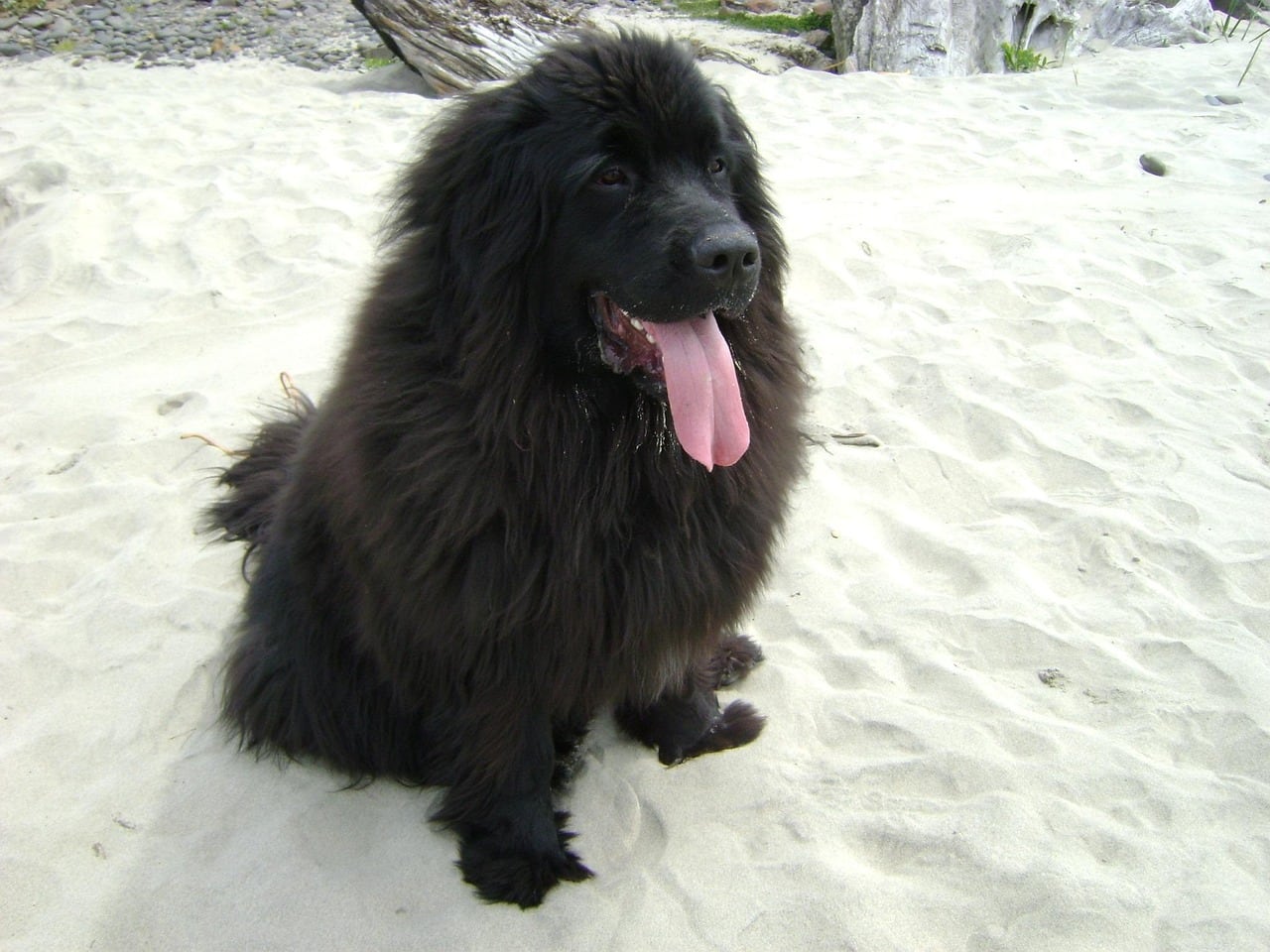
The Newfoundland is a giant breed originating from Canada, where it was historically used for working near water and in fishing villages. It grows to a height of around 71 cm for males and 66 cm for females, with a weight exceeding 68 kg for males. Its massive body is covered with long hair with a dense undercoat, which requires regular and thorough care - shedding and drooling are typical features of the breed.
In terms of temperament, it is a calm and sociable dog with low barking and a strong bond with the family, thanks to which it gets along well with children and other animals in the household. It can handle training without increased demands, but it will appreciate enough space - it is not very suitable for an apartment. It is more suitable for owners who can devote time to it and are not afraid of more demanding coat maintenance, while even a less experienced breeder can handle it.
Professionally consulted
The content was created in cooperation with the veterinary clinic Veterinární klinika VYVET sro and MVDr. Adam Hylák.
Quick overview
What is a Newfoundland dog like?
The Newfoundland dog is a large breed originating from Canada, classified in FCI Group 2 among the molossoid types. Males reach a height of around 71 cm at the withers and weigh approximately 68 kg, while females are slightly smaller – around 66 cm and 54 kg. Despite their size and strength, they are renowned for their calm, even-tempered nature and exceptionally strong bond with their family, spending most of their time near them.
The temperament of this dog is rather phlegmatic, with lower training requirements - it learns well and is not inclined to dominance or stubbornness. Exercise requirements are medium, it appreciates mental stimulation, but it is not an athlete requiring constant exercise. It barks little, but it is necessary to count on more pronounced salivation and a rich, thick coat with an undercoat, which requires regular and relatively demanding care.
- Suitable for children and households with other dogs or cats
- Thanks to its gentle nature and low training requirements, it is manageable even for beginners
- Not very suitable for an apartment – it needs space and tolerates heat worse than cold
Origin and history of the Newfoundland dog
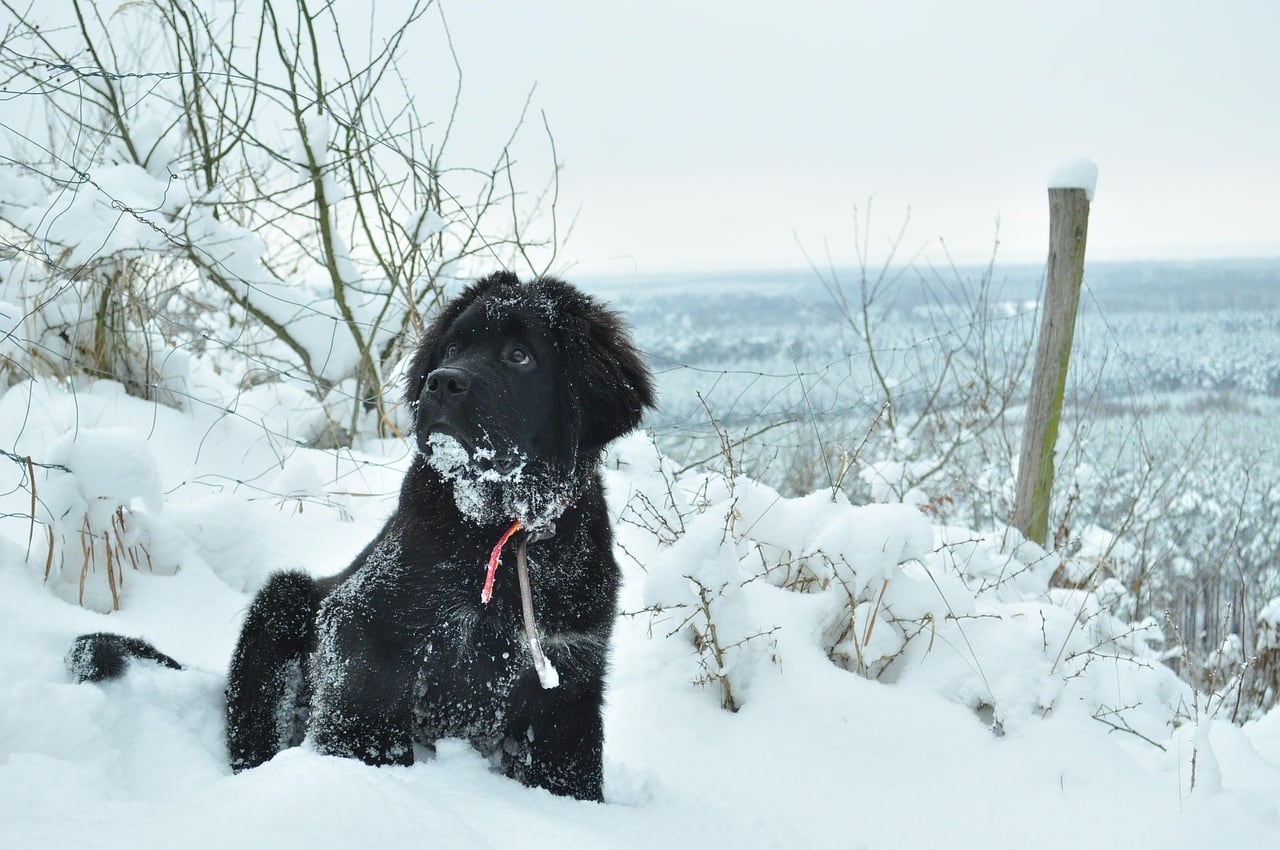
The Newfoundland dog originated on the Canadian island of Newfoundland, after which it got its name - Newfoundland in English. Its ancestors were dogs of the local indigenous people, who were gradually crossed with dogs brought by European fishermen, mainly Portuguese, Basque and English. These crosses resulted in a robust dog with a thick water-repellent coat and webbed toes, ideally suited to working in the cold waters of the North Atlantic.
The breed's original mission was to help fishermen - pulling nets from the sea, bringing objects that had fallen overboard and, in case of emergency, rescuing drowning people. On land, the Newfoundland was also used as a draft dog, transporting cargo on sleds or carts between the port and the settlement. Its strength, calmness and willingness to work even in harsh conditions made it an indispensable assistant to fishing communities.
The breed reached Europe to a greater extent during the 19th century, when it became popular with English breeders and nobles. It was in England that the type was established and the first breeding standards were written, which were then adopted by other cynological organizations. The International Cynological Federation today lists the breed under standard number 50 in the second group among molossoid types of dogs. Over time, the working dog of fishermen also became a popular family and companion dog, without losing its attachment to the water and ability to do rescue work.
Appearance and size
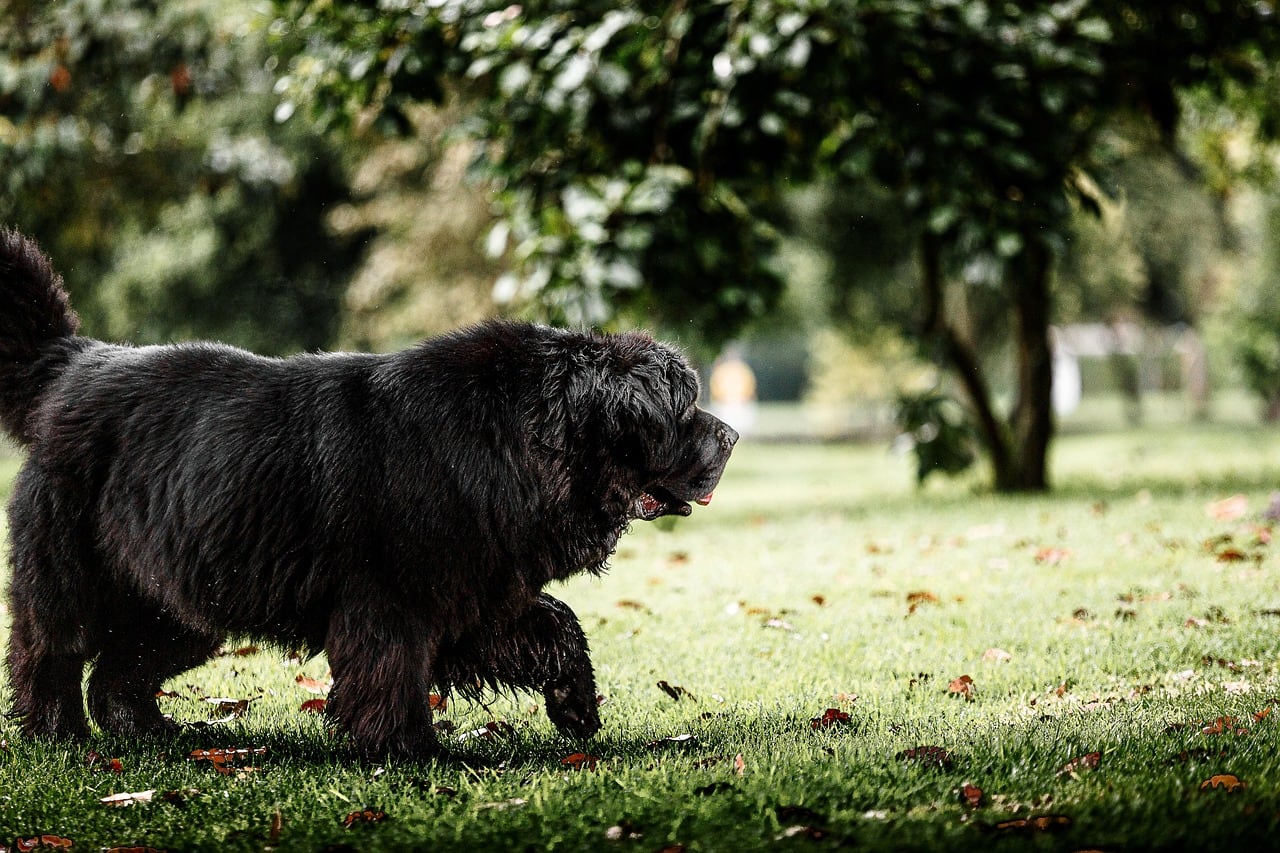
The Newfoundland dog is a large to giant breed with a massive, strong build, corresponding to its classification in FCI group 2 among molossoid types of dogs. The male dog reaches a height of around 71 cm at the withers and weighs around 68 kg, the female is noticeably smaller and lighter – measuring approximately 66 cm and weighing around 54 kg. This difference between the sexes is quite significant in the breed and noticeable at first glance.
The body is robust, with a deep chest and strong bones, which give the dog an impression of calm strength rather than predatory speed. The overall movement corresponds to this - balanced, heavier, without unnecessary agility, typical of breeds bred for pulling and carrying loads, or for working in water.
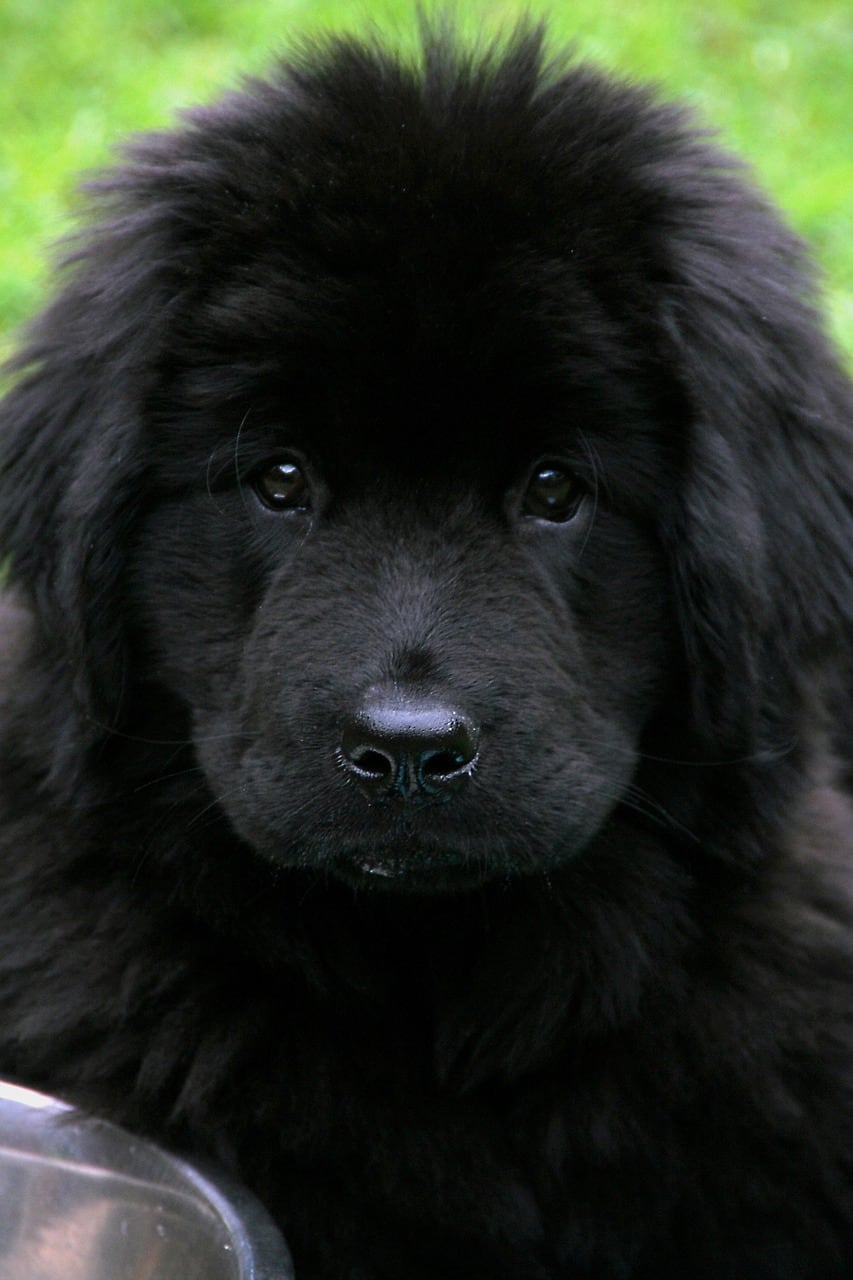
The coat is long, dense, with a rich undercoat that protects the dog from moisture and cold. It is this double coat structure that is responsible for the high demands on coat care and the significant seasonal shedding that must be expected in this breed. The massive head structure and looser lips are also associated with a higher tendency to drool, which is typical for the breed.
The tail is strong, carried in line with the powerful hindquarters of the body, and completes the overall impression of a balanced, heavy dog. The coat color variants are described separately in the section dedicated to color.
Newfoundland Dog Colors
The FCI standard for the Newfoundland dog recognizes black, brown and white-black (landseer) color variants; however, the specific details of the permissible shades and the extent of white markings are specified in more detail than can be stated here without risk of distortion.
Newfoundland Dog Personality
The Newfoundland dog is a calm, even-tempered and extremely loyal companion, whose nature lives up to the reputation of being a "gentleman among dogs". Despite its impressive size and strength, it is peaceful, patient and friendly towards people and other animals without aggression.
The bond with the owner is very strong in this breed - the need for company is high, so the Newfoundland dog does not tolerate long-term isolation and thrives best where it is part of the family's activities. It likes to stay close and shows itself as a dog that wants to be "in it" no matter what the owner is doing.
The training requirement is low, which is related to the combination of good intelligence and a natural willingness to cooperate - the Newfoundland dog is not typically stubborn and responds well to a calm, consistent approach. The energy and temperament correspond to a medium level of activity, so this is not a dog that requires extreme physical exertion, although it does need regular exercise. The need for mental stimulation is medium, so it will also be occupied with a less demanding, but regular program.
This breed has minimal guarding tendencies - barking is low and its nature is geared more towards sociability than wariness towards strangers. Thanks to this, it gets along well with children and other animals, including other dogs and cats, and can adapt to life in a larger mixed household.
Typical behavioral manifestations
- Strong attachment to family and reluctance to be alone for long periods of time
- Calm, non-conflictive behavior towards people and other animals
- Willingness to cooperate in training without being overly stubborn
- Low tendency to bark or actively guard property
- Balanced temperament without the need for high physical exertion
Newfoundland dog and children
The calm and patient nature of the Newfoundland dog makes it a suitable companion for families with children. Its low barking rate and balanced temperament contribute to the fact that it does not appear restless or noisy in the household, which will be especially appreciated by families with small children.
Due to its large body structure and heavy weight, it is necessary to take into account that even a peaceful dog can unintentionally knock down or beat a child with its size and strength, especially during playful contact. Adult supervision should therefore be a matter of course with small children, especially if the dog is just getting to know children or is a puppy.
Socialization and upbringing
Although the training requirements of this breed are often rated as low and the Newfoundland dog is perceived as suitable even for novice owners, early and consistent socialization remains key. The puppy should come into contact with children of different ages from an early age so that it gets used to their movement, noise and unexpected behavior.
Due to their high need for companionship, this dog usually seeks closeness with the entire family, including children, and does not like to be isolated for long periods of time. This can encourage the formation of a strong bond, but it is also advisable to teach children to respect the dog's need for peace and rest, especially after a physically demanding program.
What to think about in practice
- Always monitor physical contact between small children and dogs, even with well-socialized individuals.
- Due to the high rate of shedding and drooling, it is advisable to familiarize children in advance with the regular coat care and cleaning that comes with living with this breed.
- The medium need for mental stimulation means that involving children in simple games and commands can be beneficial for the dog while strengthening their relationship with each other.
- Despite its balanced nature, the dog should not be left with small children without adult supervision.
Newfoundland dog and other dogs and pets
The Newfoundland dog usually gets along well with other dogs and other household pets. The breed was originally used as a working dog for fishermen - helping to haul in nets, pull boats and rescue drowning people - not for hunting, so it lacks the strong instinct for small animals that is a problem with hunting breeds.
Thanks to its calm and friendly nature, it can coexist with other dogs in and outside the household without much difficulty. It usually has a similar friendly attitude towards cats, especially if it grows up with them from puppyhood or is gradually accustomed to their presence.
Living with other animals in the household
- With other dogs: usually problem-free, the breed is not conflictive or dominant.
- With cats: generally good, especially when raised together from an early age.
- With small animals: due to the absence of a strong hunting instinct, the risk is lower than with breeds bred for hunting, but it is still advisable to always monitor the first meeting.
Due to its size and strength, even for such a peaceful breed, supervision is important during the first contact with smaller animals, as even unintentional contact can be risky for the small creature.
Is a Newfoundland dog suitable for an apartment?
Probably not. The Newfoundland dog is a large to giant breed with high demands on space, and an apartment will only exceptionally offer conditions in which it will feel comfortable. The ideal environment is a family house with a garden, where the dog has enough space to rest and move freely.
Space requirements are not the only limitation. The thick, long coat with undercoat requires regular care and sheds intensively, which is more noticeable in a small, enclosed apartment than in a house with ventilation and cleaning outside. In addition, one must take into account the high level of drooling, which is typical for this breed and is more noticeable in a smaller space.
On the other hand, the Newfoundland dog is a calm and non-conflicting companion with low barking, so the noise or restlessness does not bother the neighbors. Its activity level is moderate, it does not need sports, but regular exercise outdoors - quiet walks and the opportunity to swim - are important for it. A high need for company is also essential: regardless of the type of housing, it should not be left alone for long.
How much exercise does it need?
The Newfoundland dog needs medium-long but regular exercise - a longer walk and the opportunity to move freely is enough for him, he does not need hours of intensive sports. His body structure is more adapted to persistent work at a calmer pace than to fast sprints or sharp turns.
Since this is a breed associated with water, swimming is one of its most natural activities - it uses its powerful chest and webbed feet. Also suitable are:
- pulling a load or cart that corresponds to its original use
- water rescue disciplines and exercises simulating pulling objects or people out of the water
- calmer forms of power sports such as skijoring with moderate loads
- long walks in the field, ideally with the opportunity to refresh yourself in the water
The training requirements for this breed are usually low, but they will appreciate mental stimulation – for example, practicing specific tasks related to water rescue or pulling, which combine physical work with thinking. Purely intellectual games such as finding treats are enough for them as a supplement, the main role is played by meaningful physical activity.
Due to their thick coat with undercoat and massive body constitution, it is necessary to be careful about stress in hot weather - it is advisable to move activities to cooler parts of the day and provide plenty of shade and water. At a younger age, when the skeleton is still developing, it is also wise to avoid excessive stress on the joints and to prioritize shorter, more frequent walks over long trips.
Training and education
Training a Newfoundland dog is one of the less demanding breeds - it is a breed willing to cooperate with humans and responds calmly and without unnecessary dominance to learned commands. However, this does not mean that training can be skipped: this is a large and strong dog, for which basic obedience is necessary for practical reasons, for example, for behavior on a leash or for calm movement among people.
A positively guided approach based on praise, petting and treats works best – harsh methods or raised voices are pointless with this breed and lead to insecurity rather than cooperation. Short, regular and consistent lessons are more effective than long training blocks because they keep the dog focused and the training remains enjoyable for both parties.
What motivates a dog?
A strong motivation is the proximity of a person and the feeling of being part of a meaningful activity - the Newfoundland dog has a high need for company and perceives training as a form of contact with the owner. Due to the breed's water-loving nature, the opportunity to move around in the water or retrieve objects is also a popular reward, which can be used as a natural motivation during training instead of exclusively treats.
Socialization and specifics
Due to the great physical strength and weight of an adult, early and thorough socialization is key - the puppy should gradually meet different people, animals and environments in order to acquire the calm and balanced behavior that is typical for this breed. Good experience with children, other dogs and common situations in public spaces will facilitate coexistence in adulthood, when possible disobedience or pulling on the leash is a real problem due to the dog's size.
- Short, frequent training blocks instead of a long drill.
- Positive motivation – praise, treats, contact with water.
- Emphasis on socialization at an early age due to the dog's future size and strength.
- A calm and patient approach without harsh methods.
Hair care and hygiene
The thick, long coat with undercoat requires regular and thorough brushing – ideally several times a week, and daily during the shedding season, as brushing through the undercoat is the only way to prevent mats. The high shedding rate means that hair appears in the home all year round, with heavier shedding in the spring and autumn.
Bathing should be an occasional and targeted activity – the coat is naturally water-resistant and frequent washing strips it of its protective oils. After bathing or being in the water, the dog needs to be dried thoroughly, as the thick undercoat stays wet for a long time and moisture on the skin can lead to unpleasant odors or irritation.
What to focus on
- Ears: regular inspection and cleaning, especially due to the hanging shape of the ear, which restricts airflow.
- Eyes: check the cleanliness of the corners, especially after being outdoors or in water.
- Teeth: regular brushing helps prevent tartar buildup.
- Claws: regular inspection and trimming if they do not wear down naturally with sufficient activity.
- Drooling: high levels of drooling mean the need to wipe the mouth more often, especially after drinking and eating.
Due to the demanding care of the coat, it is advisable to accustom the dog to combing, bathing, and checking its ears and paws from puppyhood - given its size and weight, any failure to cooperate in adulthood will mean significant physical strain for the owner.
Feeding
Due to their large body size and weight, which can reach tens of kilograms in adults, a high-quality complete food specifically designed for large and giant breeds is essential for the Newfoundland dog. Such recipes take into account a lower energy density and an adjusted calcium-phosphorus ratio, which helps support healthy bone and joint development, which is especially important for heavy breeds.
The choice of food should vary according to the life stage - a puppy requires a different set of nutrients than an adult or aging individual. For the Newfoundland dog, the growth period is a particularly sensitive phase, as too rapid weight gain can put excessive strain on the still immature musculoskeletal system. Therefore, a food specially developed for large breeds in the growth phase is recommended, which regulates growth at an appropriate pace.
Since this is a breed with a medium level of physical activity, the energy needs of an adult individual are not extreme - on the contrary, there is a risk that a lack of exercise and an excessively rich diet will lead to overweight. In such a large dog, excess pounds significantly burden the joints and generally shorten the time for which the dog can maintain good mobility. It is therefore recommended to regularly check the body condition - the ribs should be easily palpable to the touch, although they may not be optically visible, and there should be a noticeable sign of narrowing of the silhouette in the waist when viewed from above.
It is advisable to adjust the amount of food to the specific weight, age and current level of activity of the individual, rather than following the general recommendation on the food packaging. For adult dogs, it is practical to divide the daily dose into two portions, which can reduce the risk of digestive problems associated with a single intake of a large amount of food in large breeds.
How long does a Newfoundland dog live?
The average Newfoundland dog lives for 9 to 10 years, which is a fairly normal lifespan for such a large and powerful breed. The specific lifespan varies from individual to individual depending on genetic makeup, overall condition, and the care that the owner provides the dog throughout its life.
What affects lifespan?
For large breeds, such as the Newfoundland, the strain on the joints and heart plays a crucial role - the longer the dog can maintain an appropriate body weight and not be overloaded, the better. Movement should be regular, but balanced rather than extreme, because jumping overloading the joints in heavy breeds increases the risk of long-term problems with the musculoskeletal system.
- Genetics: The puppy's background and the health history of the parents significantly influence the predisposition to hereditary diseases.
- Physical fitness: maintaining a slim figure reduces the burden on the joints, heart and overall body.
- Exercise: regular but moderate activity corresponding to the moderate level of necessary load helps maintain muscle and fitness without unnecessary strain.
- Prevention: regular veterinary check-ups allow for early detection of potential health problems.
- Nutrition: a quality diet adapted to the dog's age and weight contributes to long-term health.
The Newfoundland dog may be predisposed to musculoskeletal diseases and certain hereditary metabolic disorders, including urinary stone formation. Responsible breeding and regular veterinary care therefore play an important role in how long and high-quality the dog lives.
Who is the Newfoundland dog suitable for?
The Newfoundland is well suited to a household that accommodates its size, high need for human contact, and demanding coat care. It is a calm, sociable dog with low training requirements, making it a good candidate even for owners with no previous experience with large breeds – provided they can handle the physical aspects of raising such a large dog.
Who is the breed suitable for?
- For families with children – the breed is friendly and balanced towards children.
- For households where one of the family members is present most of the day - the dog needs a lot of company and does not tolerate long-term loneliness.
- For owners with a house and garden where the dog has plenty of space - the breed is not suitable for an apartment.
- For beginners who are willing to invest time in coat care - the training itself is easy thanks to the dog's nature.
- For households with other dogs or cats – the Newfoundland dog usually gets along well with them.
- For people who don't mind high shedding and drooling and are willing to clean regularly.
Who is the breed not suitable for?
- For residents of small apartments without the possibility of regularly spending time outdoors in a larger space.
- For allergy sufferers or people who require a clean household – high shedding and drooling are common in the breed.
- For owners looking for an active sports partner for demanding performances - this is more of a dog with a medium need for exercise.
- For people who spend most of their day away from home, the high need for company makes prolonged solitude a problem.
- For those who do not want to spend time on regular and time-consuming combing and coat maintenance.
Interesting facts about the breed
The Newfoundland dog originates from Canada and is one of the few large breeds that the FCI classifies as a molossoid type, although its appearance and temperament are significantly different from classic Great Danes - it lacks their usual alertness and tendency to speak loudly.
The combination of characteristics described by the standard and breeding practice is interesting: it is a dog with low barking, but at the same time a very high need for human company. For such a large breed (the dog reaches a height of around 71 cm and weighs over 68 kg), this is rather an exception - many large guard and watchdog breeds tend to be louder.
The thick, long coat with an undercoat, which protected the Newfoundland dog from the cold and dampness of its home environment, is also the reason why it belongs to the breeds with a high rate of shedding and demanding coat maintenance - despite the fact that the training itself is considered undemanding for this breed.
Professional sources focused on the health of the breed indicate that the Newfoundland dog has an increased predisposition to cystinuria and the associated formation of urinary stones - a topic that has also been addressed by published professional research.
Newfoundland Dog Health
The Newfoundland is a large and heavy breed with a life expectancy of around 9-10 years, which is in line with the typical lifespan of giant breeds. Its health profile is largely influenced by its size and weight – an adult dog can weigh over 60 kg – and its thick double coat, which requires regular care. The breed is particularly susceptible to predispositions related to the musculoskeletal system and some metabolic peculiarities related to the kidneys. Responsible breeding with the selection of healthy parents significantly reduces the risk of hereditary burdens. The following points summarize the areas that should be considered in this breed.
Kidneys and urinary tract
The Newfoundland dog may be predisposed to cystinuria, a hereditary disorder of amino acid reabsorption in the kidneys that can lead to the formation of cystine urinary stones (urolithiasis). It occurs mainly in males, not females, and can result in a recurrent risk of urinary tract obstruction. Given its hereditary nature, it is advisable for breeding dogs to be tested for this predisposition.
Joints and musculoskeletal system
High body weight combined with great height places considerable strain on the joints, especially the hip and elbow joints. In general, for giant breeds, rapid growth during puppyhood and excessive stress on the joints at an early age can increase the risk of musculoskeletal problems in adulthood. It is therefore advisable to monitor the appropriate growth rate and provide adequate, but not excessive, physical activity in young individuals.
Fur and skin
The dense coat with undercoat and high shedding rate means that moisture and dirt easily accumulate in the coat, which can lead to skin irritation if not cared for properly. Regular brushing and checking the skin beneath the dense undercoat helps to keep this risk to a minimum.
What to look for when choosing a puppy
- Ask the breeder about the results of the parents' cystinuria tests, or about other genetic tests performed as part of the breeding program.
- Be interested in X-ray examinations of the hip and elbow joints of the puppy's parents.
- Monitor the puppy's overall condition and build - appropriate, not excessive, body build for age.
- Verify that the breeder follows recommendations for gradual, non-stressful growth of giant breed puppies.
- Request information about the health status and age of the parents, or about the occurrence of health complications in the lineage.
Known predispositions
The breed is described to have an increased predisposition to:
- to subaortic stenosis (SAS), a congenital heart defect associated with narrowing below the aortic valve.
- to cystinuria, a hereditary disorder of amino acid metabolism leading to the formation of cystine urinary stones.
- to hip dysplasia.
- to elbow dysplasia.
- to acute gastric dilatation and torsion (GDV, so-called gastric torsion) due to the deep and narrow thoracic structure of the body.
- to osteosarcoma, a malignant bone tumor that often manifests as limping in the affected limb.
- to urolithiasis due to the occurrence of cystinuria, where crystals can lead to blockage of the urinary tract.
This overview is for informational purposes only and does not replace the examination or recommendations of a veterinarian.
What to buy for a Newfoundland dog
Practical basis that is suitable for this breed:
- Toys – Dog toys – fetching, chewing and interactive.
- Cosmetics – Shampoos, conditioners and hair care products.
- Bowls – Feed and water bowls, anti-swallow bowls and stands.
- Collars – Dog collars – leather, textile and semi-tight.
- Beds – Beds and mattresses for dogs of all sizes.
- Leashes – Leashes, switch leashes and tracking lines.
Useful instructions
Practical tips that are useful when caring for a dog:
Frequently asked questions
Is a Newfoundland dog suitable for an apartment?
Probably not - it is a large breed with high space requirements and its own size and weight bother it when moving around the apartment. It is better suited to a house with a garden, where it has enough space to rest and move around.
How much does a Newfoundland weigh and how big will it grow to be?
The male reaches a height of around 71 cm and a weight of up to 68 kg, the female is slightly smaller – approximately 66 cm and 54 kg. This makes it one of the significantly large and heavy breeds.
Is the Newfoundland dog good with children?
Yes, it is generally suitable for children and is a breed with a calm, patient nature. However, due to its size and weight, it is always necessary to monitor interactions with small children so that the dog does not accidentally lose its weight.
How long does a Newfoundland dog live?
The average lifespan is between 9-10 years, which corresponds to the normal lifespan of large breeds.
How much does a Newfoundland dog shed and drool?
The rate of shedding and drooling is high in this breed, which is related to the thick, long coat with undercoat and the structure of the massive muzzle. The owner should expect regular cleaning of the coat and wiping of saliva.
Is caring for a Newfoundland dog's coat difficult?
Yes, grooming is very demanding for this breed due to its long coat with a dense undercoat that requires frequent and thorough brushing. Without regular grooming, the coat can easily become matted, especially behind the ears and on the legs.
Is a Newfoundland dog suitable for beginners?
Rather, yes, because it has low training requirements and a calm, adaptable nature. However, a beginner should take into account the physical demands of caring for a large dog and the high demands on its company.
Why is the Newfoundland called a water dog?
The breed originates from Canada, where it was historically used to work near water and assist fishermen, which is reflected in its thick, water-repellent coat. This disposition is still evident today, with many individuals having a strong natural fondness for water.
Does the Newfoundland get along with other dogs and cats?
He gets along well with dogs and cats, which makes him a suitable candidate for a household with multiple animals. His calm and non-conflicting nature contributes to problem-free coexistence.
What health problems are there in the Newfoundland dog?
The breed may be predisposed to the formation of urinary stones related to cystinuria, as described by professional sources dealing with this issue. Given the size and weight of the breed, it is also advisable to pay attention to joint health and gradual loading during the growth period.
Does a Newfoundland dog need a lot of exercise?
His activity level is moderate, so he doesn't require extremely long or intense walks, but regular exercise is important given his size and weight to keep him in shape.
Is the Newfoundland a noisy breed?
No, this breed has a low barking rate and rarely resorts to loud expressions. This makes it a calm companion even in a household where excessive barking would be a problem.
Resources and further information
- FCI Standard No. 50 - Newfoundland - Fédération Cynologique Internationale
- Source of body measurements – dogportal.pl
- Expert resource - ufaw.org.uk
- Expert resource - ncbi.nlm.nih.gov
- Expert resource - link.springer.com
- Expert resource - pubmed.ncbi.nlm.nih.gov
Professional cooperation
This breed overview was created in cooperation with the Veterinary Clinic VYVET sro and MVDr. Adam Hylák .