
Published 14. 9. 2026
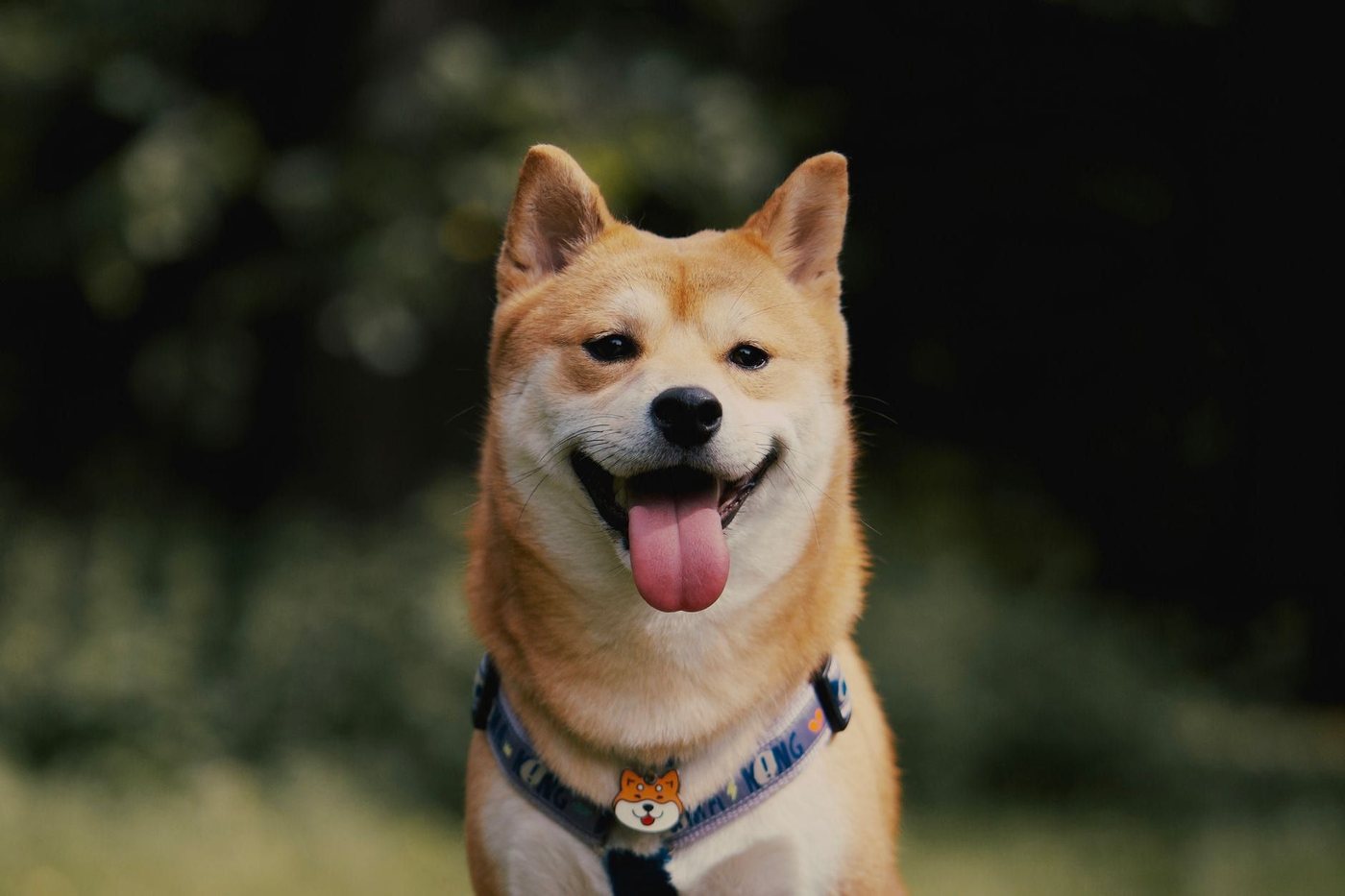
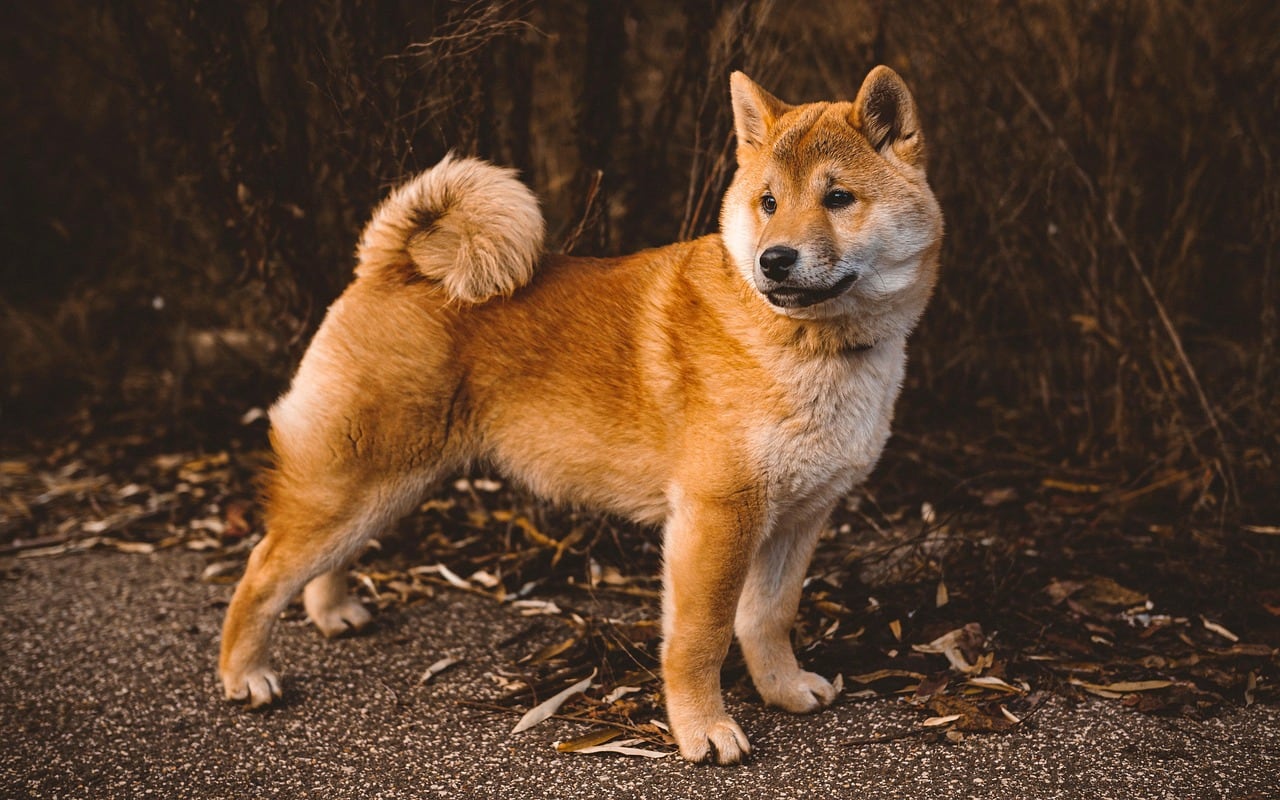
The Shiba Inu (Shiba) is a medium-sized Japanese breed of the Spitz type, classified in FCI group 5 (standard no. 257). The male measures 38–41 cm at the withers, the female 35–38 cm, and usually lives to be 13–16 years old. It is unmistakable thanks to its fox-like facial expression, erect ears and short, hard coat with a thick undercoat that sheds significantly twice a year. The Shiba Inu is independent in nature, alert to strangers and stimuli, and rarely barks without reason - but it has its own mind and needs patient, consistent guidance for training. Its high need for exercise and mental stimulation makes it a breed for more experienced owners rather than complete beginners. It can be found in an apartment if it gets enough exercise, and it is neutral towards children and other animals and without unnecessary subordination.
Professionally consulted
The content was created in cooperation with the veterinary clinic Veterinární klinika VYVET sro and MVDr. Adam Hylák.
Quick overview
What is a Shiba Inu like?
The Shiba Inu is a medium-sized Japanese breed from FCI group 5 (Asian-type Spitz section), the male measures 38–41 cm at the withers, the female 35–38 cm. It is an independently thinking dog type with a strong personality – alert, clean, with a strong will of its own, yet devoted to its family. It needs a lot of activity, as well as mental exertion, otherwise it will find its own entertainment, which often does not please the owner.
Training requires patience and consistency - this is not a breed that obeys automatically, but rather considers commands based on its own judgment. Therefore, it is better suited to more experienced breeders than complete beginners. It is neutral towards children, other dogs and cats, so coexistence depends on socialization and the specific nature of the individual.
Who is it suitable for?
- For owners with previous experience training individual breeds
- For active households that can offer her enough exercise and mental stimulation
- It is more suitable for an apartment, yes, if it gets enough outdoor stimulation
Origin and history of the Shiba Inu
The Shiba Inu is one of the oldest Japanese breeds, and its ancestors lived in the mountainous regions of central Japan thousands of years ago - archaeological finds prove the presence of small spitz-like dogs on the Japanese islands as early as the Jomon period. These dogs served primarily as hunting assistants, driving out small game, birds and wild boars in dense vegetation and rocky terrain.
The name "Shiba" is probably related to the Japanese word for scrub or undergrowth, the environment in which the breed moved while hunting. For centuries, these dogs were kept in isolation in mountain villages, where regional variants emerged, differing slightly in size and coat color.
A fundamental turning point came in the 20th century, when with the modernization of Japan and the arrival of European breeds, the original Japanese dogs were threatened by crossbreeding and the gradual disappearance of purebred lines. Therefore, in the 1930s, Japanese cynologists began to systematically search for remaining individuals in remote regions and tried to preserve the characteristic type. This effort was crowned with the creation of the first Japanese standard.
After World War II, the breed continued to survive thanks to breeders who restored the population from a few surviving lines. Gradually, the Shiba Inu spread outside Japan, where it gained considerable popularity thanks to its unmistakable appearance and character. The International Cynological Federation finally recognized the breed and classified it among the Asian Spitz, making the Japanese standard binding for breeding abroad.
Appearance and size
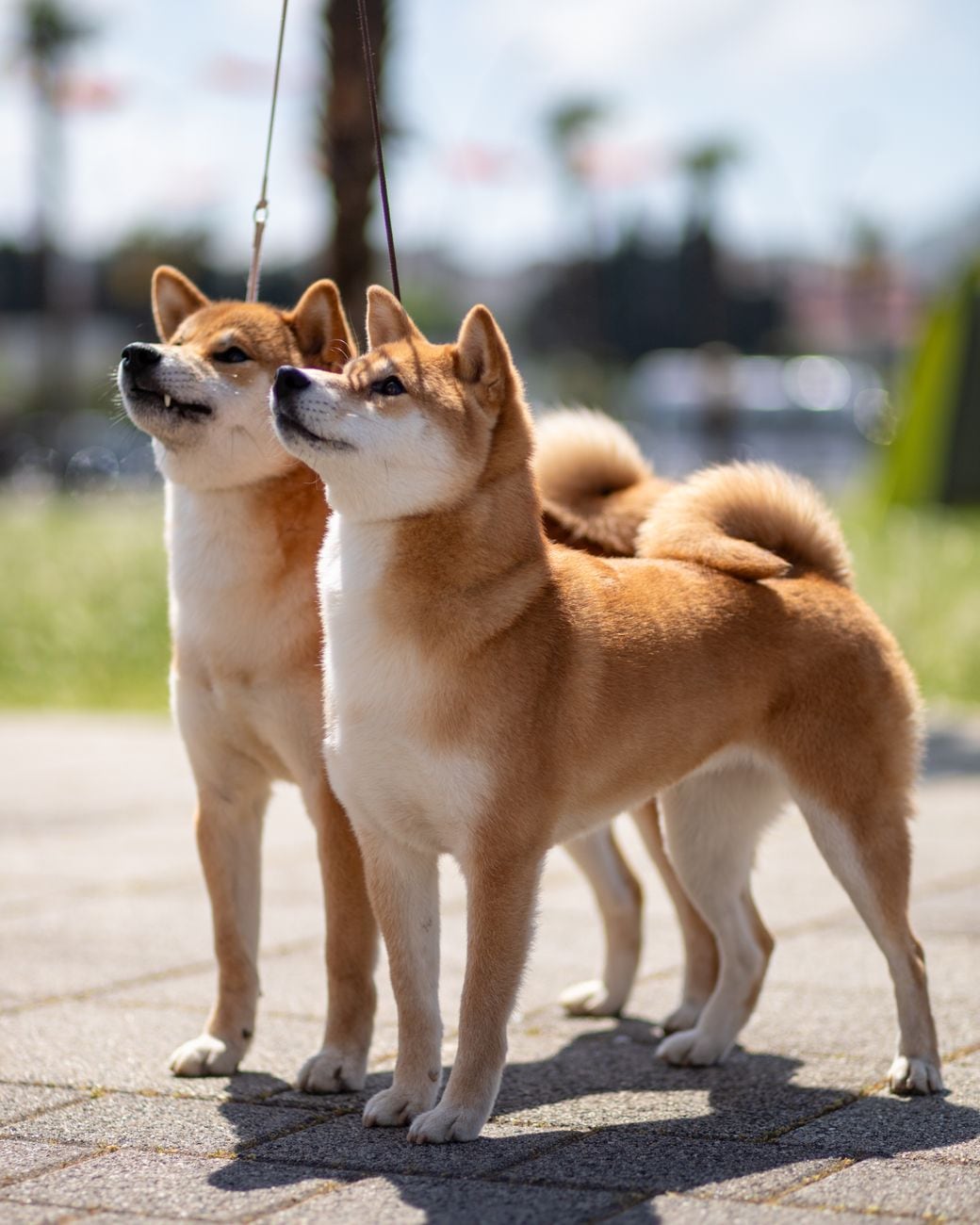
The Shiba Inu is a medium-sized breed with a compact, well-balanced body that appears solid and muscular without being massive. The male dog stands at 38–41 cm at the withers, the female is smaller, 35–38 cm – this difference is clearly visible in the breed and corresponds to the standard appearance, where the female is generally more slender and delicate in lines.
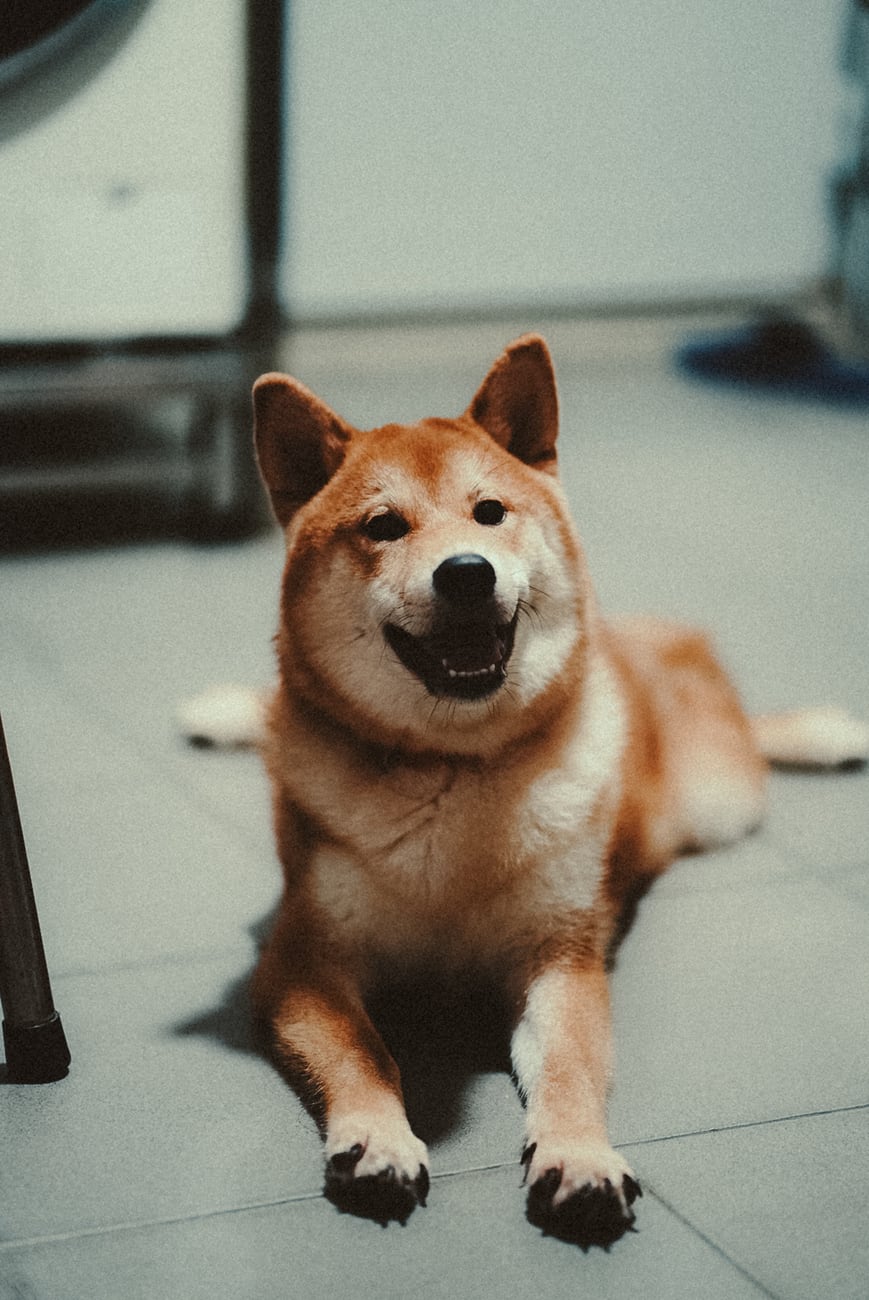
The head is broad, wedge-shaped and has prominent, full cheeks. The ears are small, triangular, erect and tilted forward, giving the expression of alertness and vigilance. The eyes are relatively small, triangular in shape, dark in color, with a lively and attentive gaze, typical of Asian Spitz.
The body is solid, with a well-arched chest and a straight back. The tail is strong, set high and carried curled over the back or in a sickle shape - this feature is one of the most typical features of the breed and, together with the erect ears, completes the characteristic "fox" profile.
The coat is short, hard and close-fitting, with a dense undercoat, which helps the Shiba maintain a distinct silhouette even in colder weather. The exact shades and distribution of colors on the body are described separately in the section on coloration.
Quick overview
- Height of male: 38–41 cm, female: 35–38 cm
- Coat type: short, harsh, with a dense undercoat
- Tail: curled or sickle-shaped, set high
- Ears: small, triangular, erect
Shiba Inu Colors
The FCI standard for this section does not provide a specific list of recognized color variants and color characteristics of the Shiba Inu in the sources from which this atlas is drawn, and therefore a detailed overview of colors cannot be provided here without the risk of inaccuracy.
If you are dealing with the specific color of a particular individual and its compliance with the standard, we recommend checking the current wording of FCI standard No. 257 directly with the breed club or breeding advisor.
Shiba Inu personality
The Shiba Inu is mentally very independent and confident, which makes it a breed for more experienced owners rather than complete beginners. It tends to be devoted and emotionally attached to its own family, but it approaches strangers and new situations with detachment - it is not an outright shy nature, but rather a natural caution and cooler restraint.
Intelligence is high in this breed, but it is also associated with a significant amount of self-judgment. The Shiba Inu can decide for itself when it is worth obeying a command and when not, which is often mistaken for stubbornness. In reality, it is a combination of independent thinking and low motivation to do things just because the person wants it - they do not have to obey for no apparent reason.
Energy is high and the need for mental stimulation is high, so a bored Shiba Inu can find his own program - from digging to systematically testing the boundaries of the household. Physical exercise should be combined with tasks that keep him mentally busy, otherwise the pent-up energy will manifest itself in undesirable behavior.
Barking is rarely used, but it is known for other vocalizations - from a low growl to a shiba scream, which typically occurs in cases of disagreement, frustration, or perhaps when bathing. Guardianship tendencies are present in the form of attentiveness to the surroundings, rather than in the form of a loud warning.
The relationship with other dogs and cats is usually neutral - this is not a breed that seeks the company of other animals, but it is not an outright conflict type either. The relationship with children and seniors is similarly neutral: it depends on socialization and the specific nature of the individual, universal recommendations do not apply here.
Training a Shiba Inu requires patience, consistency, and the ability to motivate it in a way other than just repeating commands - working with natural curiosity and short, interesting lessons is more effective than a long drill.
Shiba inu and children
The Shiba Inu's relationship with children is neutral compared to classic family breeds - it is not a dog that seeks out children's company, but it also does not fundamentally reject it. It all depends on the nature of the individual, the level of socialization from puppyhood, and how children treat it.
The Shiba Inu is independent and quite independent, which is also reflected in contact with children - it is not the type of dog that would patiently endure hair pulling, intrusive hugging or noisy games. If it feels that it is forced into interaction, it can show its disagreement by leaving or even taking a warning stance. Therefore, it is important to teach children from a young age how to treat a dog with respect for its space.
The role of socialization and upbringing
Since training this breed can be more challenging and the Shiba Inu tends to act independently, consistent socialization with children involved in everyday situations is essential. Gradual and repeated exposure to children's voices, movements, and behaviors helps the dog develop a calm and predictable relationship with children.
- Contact between a dog and small children should always be under adult supervision.
- Children should be taught to respect a dog's signals of discomfort and not force physical contact with the dog.
- For this breed, it is advisable to clearly explain to children that the space for rest where the dog can retreat is inviolable.
- Regular mental and physical stimulation reduces the dog's frustration, which also has a positive impact on living with children in the household.
With older children, who can already respect the dog's boundaries and follow the rules set by adults, coexistence is usually calmer than with young children, whose behavior is less predictable.
Shiba inu and other dogs and pets
The Shiba Inu's relationship with other dogs and household animals is rather neutral and depends a lot on upbringing and socialization from an early age. It is not a breed that would naturally seek contact with other dogs or necessarily behave friendly towards them - many individuals are rather reserved and even self-centered towards strange dogs, which is also related to its origin as a hunting dog used in the mountainous Japanese terrain to hunt small game and birds.
Likewise, coexistence with cats or small animals cannot be automatically assumed to be problem-free. The inherited hunting instinct may lead to the Shiba seeing fast-moving small animals as prey rather than as a roommate. If he is to grow up with a cat or other small pet, it is advisable to ensure gradual and controlled introduction from puppyhood - in the case of an adult dog that has not had similar contact, later coexistence may be more risky.
What is good to consider
- She handles encounters with other dogs better if she is used to regular contact with dogs of different sizes and temperaments from puppyhood.
- Caution is required with small animals (rodents, birds) due to their strong hunting instinct.
- Living together with a cat can work if the animals get used to each other gradually and under supervision.
- Due to their independent nature, consistent socialization is appropriate even in adulthood, not just during puppyhood.
Is a Shiba Inu suitable for an apartment?
Rather yes - the Shiba Inu is suitable for an apartment if the owner can provide it with enough exercise and mental stimulation outside the home. Its size and low barking rate work in favor of apartment keeping, but the space of the apartment alone is not enough for it to be happy.
This is a breed with a high level of activity and an equally high need for mental stimulation, so long walks and regular active exercise are a must no matter where the dog lives. Without enough exercise and mental activity, they can easily get bored in an apartment and find their own agenda, which usually brings more worries than joy to the owner.
Within the household, it is relatively calm and quiet - its low barking rate makes it a decent neighbor even in a panel house. At the same time, however, it is independent and has its own mind, so even in an apartment environment it needs clearly guided education, otherwise it will easily impose its own rules of coexistence.
What to consider when breeding in an apartment
- Provide sufficient, active exercise outdoors daily, ideally with space for free running.
- Supplement physical exercise with mental stimulation – training games, olfactory activities, obedience.
- Expect more pronounced seasonal shedding and regular combing of the undercoat, even in an apartment.
- Conduct consistent training from the beginning, because their independent nature requires clear rules for coexistence.
How much exercise does it need?
The Shiba Inu is an active breed that needs regular and longer exercise every day - a short trip to the bathroom is not enough for her, but rather a combination of walks and freer movement, where she can use her natural agility and sense of smell. Due to her high need for mental stimulation, physical exercise alone may not be enough - she also needs tasks for her mind.
Suitable activities
- Longer walks in the field where he can follow tracks and scents
- Walking without a leash in a secure area – the Shiba Inu has a strong hunting instinct and is easily tempted to chase
- Search games and olfactory activities that engage mental capacity
- Basic obedience and training games, ideally in the form of short and fun sessions
Due to the more demanding training, it pays to pay systematic attention to movement and exercise for the Shiba Inu - a bored or under-exercised dog can be more stubborn and difficult to handle. Conversely, dog sports focused on cooperation and obedience can help channel its energy in the desired direction.
Thanks to its short coat with undercoat, the Shiba Inu can handle colder weather without much difficulty, but on hot summer days it is advisable to move activity to cooler parts of the day and avoid unnecessary strain in the hottest weather.
Training and education
Training a Shiba Inu requires patience and experience - it is a breed with its own judgment, which evaluates for itself whether a given instruction is worth following. This is not a lack of intelligence, but rather an independent nature inherited from ancestors bred to work independently while hunting. Anyone expecting obedience comparable to a retriever will be disappointed.
What motivates a shiba
Classic praise and petting usually don't work as well on her as they do on other breeds. Treats and short games work better, ideally in combination with a high reward value - the Shiba quickly calculates whether cooperation is worth it. Her natural curiosity and desire to explore her surroundings also work, which can be used in search and sniffing games.
How to train
- Short lessons, ideally 5-10 minutes, repeated several times a day - a long drill will discourage the Shiba and stop cooperating.
- Consistent but calm approach without pressure or shouting – reacts to rougher treatment by becoming withdrawn or stubborn.
- The high need for mental stimulation can be met with olfactory games, finding treats, or simple tasks that alternate physical and mental stress.
- Reliable recall is difficult to achieve with this breed, so walking on a leash or in fenced areas outside of training situations is recommended.
Socialization
Early and consistent socialization is key for the Shiba Inu – the breed tends to be reserved with strangers and other dogs and does not actively seek out their company. Gradual and repeated introduction to different environments, people and animals helps prevent over-vigilance in adulthood.
Due to the above-described demands for consistency and professional work with motivation, the Shiba Inu is not recommended as a first dog for complete beginners.
Hair care and hygiene
The short, hard coat with a dense undercoat does not require complex grooming, but during the shedding season, care is quite demanding - the Shiba Inu is one of the breeds with significant fluctuations in the intensity of shedding, when twice a year it sheds a significantly larger amount of undercoat than during the rest of the year. During this period, frequent brushing with a comb or undercoat brush helps, ideally every other day; outside the shedding season, combing once a week is enough to remove loose hair and keep the coat odor-free.
Bathing should be an exceptional event - the natural coat maintains its own protective layer and frequent washing strips it of it. Bathing is only appropriate when it is really dirty or during periods of intense shedding, when it can help loosen dead undercoat.
Ears, eyes, teeth and claws
The Shiba Inu's erect ears are well ventilated, but it is advisable to regularly check them for dirt or grease buildup and gently wipe them as needed. The eyes should be checked occasionally and wiped for any discharge. Teeth should be brushed regularly to prevent tartar buildup, and claws should be trimmed or filed at intervals depending on how quickly the dog naturally wears them down when outdoors.
Feeding
A complete food adapted to age, size and activity is essential for the Shiba Inu - it is a medium-sized, energetic breed with a high need for exercise and mental stress, so the diet should correspond to the actual energy expenditure of a particular individual rather than universal table recommendations.
Since this is a breed with a dense undercoat and significant seasonal shedding, it may be sensitive to the composition of the feed, which affects the quality of the coat - it is therefore advisable to monitor how a specific feed affects the coat and skin, and possibly consult a veterinarian.
What to watch out for
- Regular check of body condition – the ribs should be well palpable, but not visible, as the Shiba Inu has a compact, muscular build, on which excess weight is easily noticeable.
- Adapting the dose to the current level of exercise - for such an active breed, the energy requirement can vary significantly depending on the season and intensity of walking.
- Transition between puppy, adult and senior food according to age to meet the current demands for growth, condition maintenance or slowed metabolism of older dogs.
- Be careful with treats and table treats – in small and medium breeds, excess calories will quickly affect weight.
Overloading the joints and being overweight are not desirable for the Shiba Inu, even from the point of view of its natural mobility and temperament, so long-term maintenance of optimal weight is more important than dealing with individual fluctuations in the diet.
How long does a Shiba Inu live?
The average lifespan of a Shiba Inu is 13 to 16 years, making it a long-lived breed. However, the specific lifespan varies from individual to individual depending on genetics, living conditions, and overall care.
What affects lifespan?
Longevity is influenced by a number of factors that the owner can largely influence:
- Genetics: the origin and health of the parents play a crucial role - when purchasing a puppy, it is advisable to be interested in the health history of the breeding pair.
- Physical fitness: maintaining a slim figure without being overweight reduces the strain on joints and internal organs and contributes to a longer active life.
- Exercise: Due to its high activity level, the Shiba Inu needs plenty of regular exercise and mental stimulation, otherwise it may become frustrated and exhibit undesirable behavior, which indirectly affects the dog's overall well-being.
- Prevention: regular veterinary examinations, vaccinations and preventive deworming help detect potential problems early.
- Nutrition: a high-quality and balanced diet appropriate to the dog's age, size and activity level supports a healthy coat, digestion and immune system.
- Health predisposition: the breed may have an increased predisposition to certain hereditary diseases, so it is advisable to consult the breeder or veterinarian about specific risks.
Who is the Shiba Inu suitable for?
The Shiba Inu is a mentally independent breed with a strong will of its own, and therefore is not suitable for every owner. It requires a more experienced approach, consistency in training and plenty of mental stimulation, otherwise it will easily find its own agenda.
Who is the breed suitable for?
- For owners who already have experience training independent-thinking dogs and don't mind repeated, calm consistency.
- For active people who can provide her with regular exercise and mental stimulation - a bored Shiba Inu will find her own entertainment, often unwanted.
- For households that value a quiet dog - the Shiba Inu barks little, which is an advantage even in apartment living.
- For those who don't mind the higher cleaning demands during the shedding season and can handle regular brushing of the coat.
- For those interested in Japanese breeds who are also considering related types such as the Akita Inu, Hokkaido or Shikoku, and want a smaller variant with the same temperament.
Who is the breed not suitable for?
- For complete beginners in dog training – Shiba Inu easily takes the initiative without experienced leadership.
- For owners looking for a dog that is obedient on the first try or without their own opinion.
- For households that cannot regularly meet her high need for activity and mental occupation.
- For those who automatically expect trouble-free coexistence with other dogs or cats - the Shiba Inu's relationship with them is neutral and depends on socialization and the specific nature of the individual.
Interesting facts about the breed
The Shiba Inu comes from Japan and is one of the Asian Spitz breeds, classified in the FCI in Group 5. Its name is also interesting - in translation it is associated with the term "small dog" and many people confuse it with its relative, the Akita Inu, due to its size and appearance, with which it shares Japanese origins, but differs significantly in body dimensions.
Although it is classified as a smaller breed from the Japanese Spitz family, compared to other representatives of this group - such as the Hokkaido, Kai, Kishu or Shikoku - it is one of the most widespread and best known outside of Japan.
Independent nature with a strong will
The Shiba Inu is known for its independent thinking, which makes it a breed for more experienced owners - training requires patience and consistency, as the dog tends to evaluate instructions in its own way, rather than blindly following them.
Shiba Inu Health
The Shiba Inu is one of the breeds with a relatively long life expectancy - a range of 13 to 16 years is commonly reported, which is above average compared to many other breeds of similar size and indicates an overall robust constitution. It is a natural Japanese breed that has maintained a compact body structure for centuries without extreme features that would in themselves pose a health risk. However, as with any breed, the specific health status of an individual dog depends primarily on the genetic basis, breeding care and living conditions. Given the high need for exercise and mental stimulation, it is advisable to ensure that the dog has enough appropriate exercise throughout its life, which contributes to maintaining good physical condition.
What to look for when choosing a puppy
When choosing a puppy, it is worth going to a breeder who is willing to show the parents of the puppies, share information about their health and character, and let the interested party see the conditions in which the puppies were raised. It is useful to monitor whether the puppies are active and healthy, have clean eyes and fur, and do not show signs of lethargy. Since the Shiba Inu requires consistent and early socialization and is one of the breeds that is more demanding to train, it is a good idea to ask the breeder how he has worked with the puppies from a young age in terms of socialization with people, other animals, and common stimuli - this has a significant impact on the dog's future character.
Known predispositions
The breed is described to have an increased predisposition to:
- to patellar luxation (dislocation of the kneecap).
- to hip dysplasia.
- to an eye defect called progressive retinal atrophy.
- to glaucoma.
- to allergic dermatitis and skin problems related to atopy.
- to hypothyroidism (reduced thyroid function).
Discussed risks
The breed is described to have an increased predisposition to:
- to autoimmune diseases, such as autoimmune hemolytic anemia.
- to chylothorax (accumulation of fluid in the chest cavity).
This overview is for informational purposes only and does not replace the examination or recommendations of a veterinarian.
What to buy for a Shiba Inu
Practical basis that is suitable for this breed:
- Car seats for dogs – Car seats and safety equipment for transporting a dog by car.
- Toys – Dog toys – fetching, chewing and interactive.
- Cosmetics – Shampoos, conditioners and hair care products.
- Bowls – Feed and water bowls, anti-swallow bowls and stands.
- Collars – Dog collars – leather, textile and semi-tight.
- Beds – Beds and mattresses for dogs of all sizes.
- Leashes – Leashes, switch leashes and tracking lines.
Useful instructions
Practical tips that are useful when caring for a dog:
Frequently asked questions
Is the Shiba Inu suitable for beginners?
Rather not – it is a very independent and stubborn breed with high training requirements, which needs a consistent and experienced owner. Without patient guidance, it easily asserts its own head.
How much is the Shiba Inu line?
Shedding is high, especially during the two major seasonal moults in spring and autumn, when the dense undercoat is shed. Outside of these periods, coat care requires only moderate attention.
Why does the Shiba Inu chase birds and small animals so much?
The Shiba Inu was originally used in Japan for hunting in mountainous terrain, so it has retained a strong hunting instinct. This is manifested in its interest in moving prey, and this must be taken into account when walking it off-leash.
Is it true that the Shiba Inu makes a special cry called the "Shiba scream"?
Yes, they are known to let out a very loud and piercing cry in situations they don't like - like bathing or having their nails clipped. Otherwise, the breed is rather quiet and doesn't bark much.
Does the Shiba Inu get along with other dogs and cats?
The relationship with other animals is neutral and depends a lot on the socialization and nature of the individual. Due to its strong territoriality and independence, it can be reserved especially towards strange dogs.
How many years does a Shiba Inu live on average?
The average lifespan is between 13 and 16 years, which makes this breed one of the long-lived medium-sized dogs.
Is a Shiba Inu suitable for an apartment?
Yes, it is quite suitable for an apartment due to its medium size and low barking rate. However, it needs a high level of exercise and mental stimulation, so simply staying in an apartment without sufficient exercise is not enough for it.
Why is training a Shiba Inu so difficult?
The Shiba Inu is very independent and has his own judgment, so unlike more obedient breeds, he does not do things just to please his owner. He requires a patient, consistent approach and motivation, otherwise he will easily ignore training.
What type of coat does a Shiba Inu have and how difficult is it to care for?
It has a short, hard coat with a thick undercoat, and its care is rated as medium. Regular brushing is sufficient outside the shedding period, but more frequent combing is required during the shedding period.
How high is the need for exercise and mental stimulation for a Shiba Inu?
Both needs are high - this is an active breed that needs regular exercise and mental stimulation, otherwise it may show undesirable behavior. A boring walk on a leash is not enough for it, it will also appreciate games and mental challenges.
Resources and further information
- FCI Standard No. 257 - Shiba - Fédération Cynologique Internationale
- Source of body measurements – dogsqueensland.org.au
Professional cooperation
This breed overview was created in cooperation with the Veterinary Clinic VYVET sro and MVDr. Adam Hylák .