
Published 29. 8. 2026 · Updated 30. 8. 2026
The Chihuahua is the smallest recognized breed of dog, originating from Mexico, where it gave its name to the entire FCI standard No. 218 within the 9th group. It weighs only 1.5–3 kg and reaches 15–23 cm at the withers, whether it is a dog or a bitch. It exists in two variants of coat – short-haired and long-haired – which differ only in appearance, not in character. Despite its small body, it is a dog with a confident, lively and often stubborn temperament, which is not afraid to express its own opinion. The Chihuahua is attached to its person and tends to be rather wary of strangers and other dogs. Thanks to its small size, it is suitable for apartments and people with limited space, but it will be appreciated mainly by owners who can handle consistent training – its small size tempts people to overlook inappropriate behavior, which is then difficult to eliminate. They live to be 12-18 years old, so they are a long-lived breed, which should be considered a long-term commitment.
Professionally consulted
The content was created in cooperation with the veterinary clinic Veterinární klinika VYVET sro and MVDr. Adam Hylák.

Quick overview
What is a Chihuahua like?
The Chihuahua is the smallest recognized breed of dog, originating from Mexico, where it is classified in FCI group 9 (companion breeds), section Chihuahueño. The height at the withers for both males and females ranges between 15 and 23 cm, and the weight ranges from 1.5 to 3 kg. Despite its small stature, it is a dog with a confident, lively and attentive temperament - the Chihuahua does not behave like a fragile toy, but rather like a small dog with great self-confidence.
The breed comes in two coat variants – short-haired and long-haired – otherwise both types are similar in body structure and temperament. Chihuahuas tend to be strongly attached to their humans, and can be initially wary or even distrustful of strangers and other dogs. This is a breed with a strong personality that holds its own and is definitely not one of those dogs that unconditionally obeys.
Thanks to its small size, the Chihuahua is well suited to smaller apartments, but it is still a dog that requires regular contact and mental stimulation, not just decorative company. The average lifespan of 12–18 years is one of the highest among dog breeds.
Origin and history
The Chihuahua (Chihuahueño) originates from Mexico, where the breed got its international name, derived from the Mexican state of the same name. It is registered with the FCI in Group 9, i.e. among companion breeds, in a separate section called Chihuahua, along with other small Mexican breeds.
The specific historical circumstances of the breed's origin and its original purpose are not documented in the available documents, so we do not list them here. The FCI standard ranks the breed among the smallest recognized breeds, which also corresponds to its current role almost exclusively as a companion dog.
Appearance and size
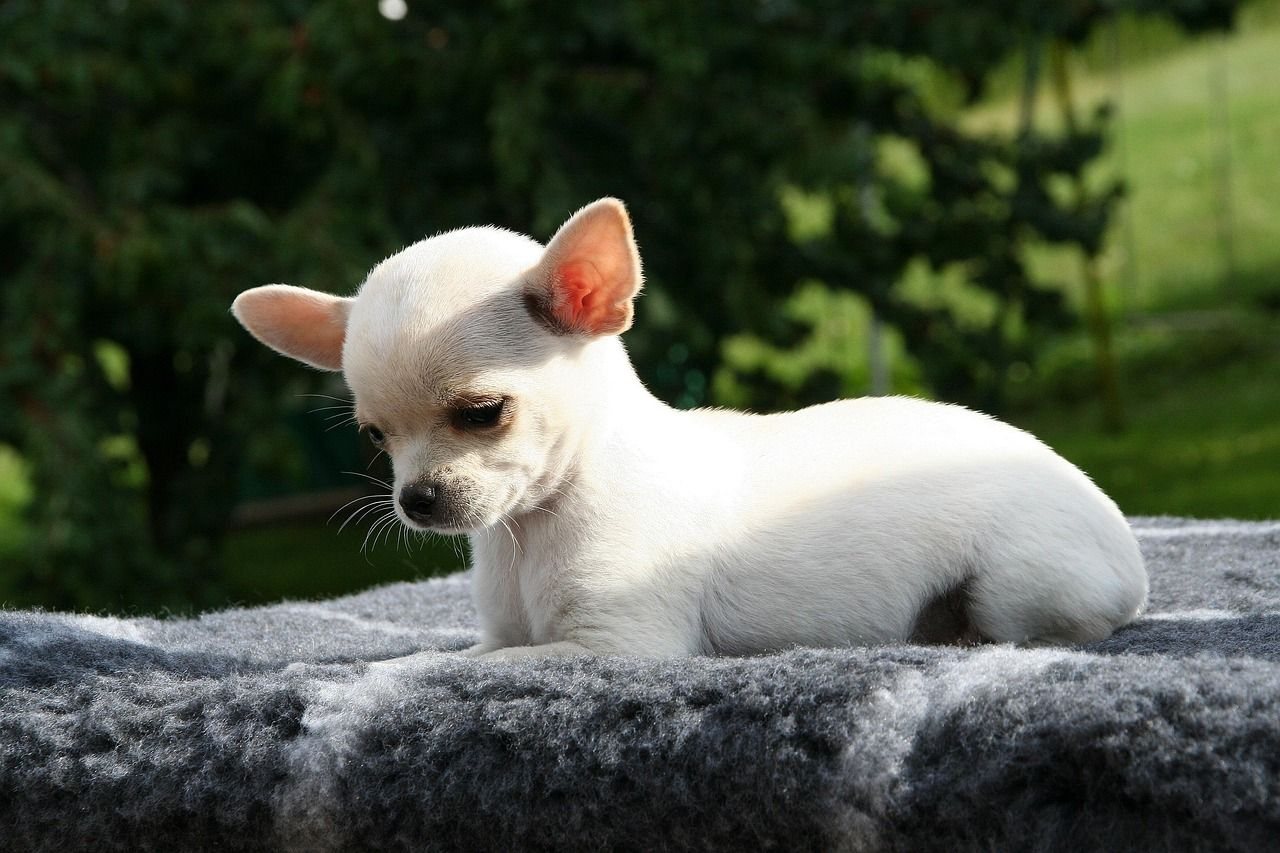
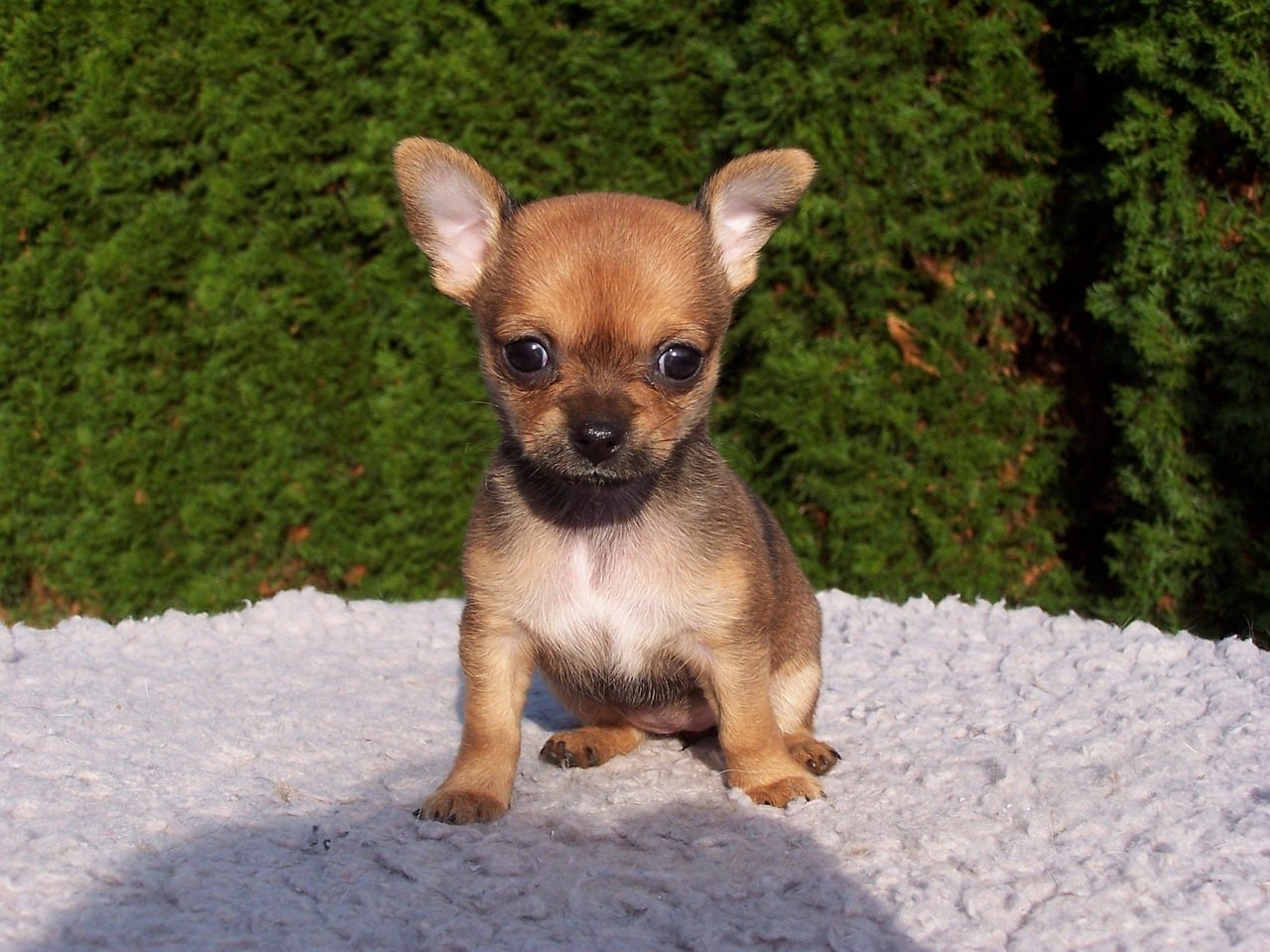
The Chihuahua is the smallest breed of dog recognized by the FCI, classified in Group 9 in the Chihuahueño section. The height at the withers for both males and females ranges from 15–23 cm, and the weight is 1.5–3 kg. It is therefore a breed with a significantly small body frame, where the differences between the sexes are not defined separately in the standard.
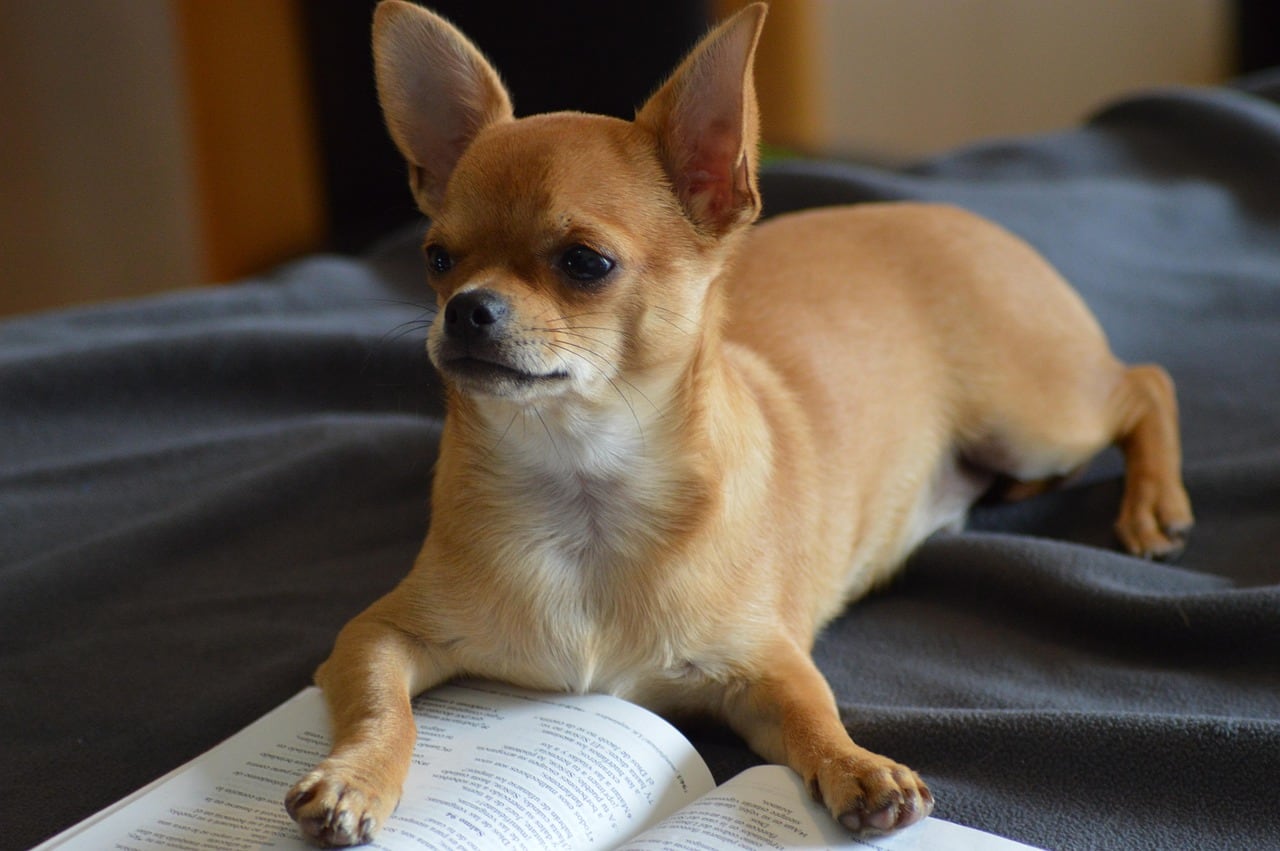
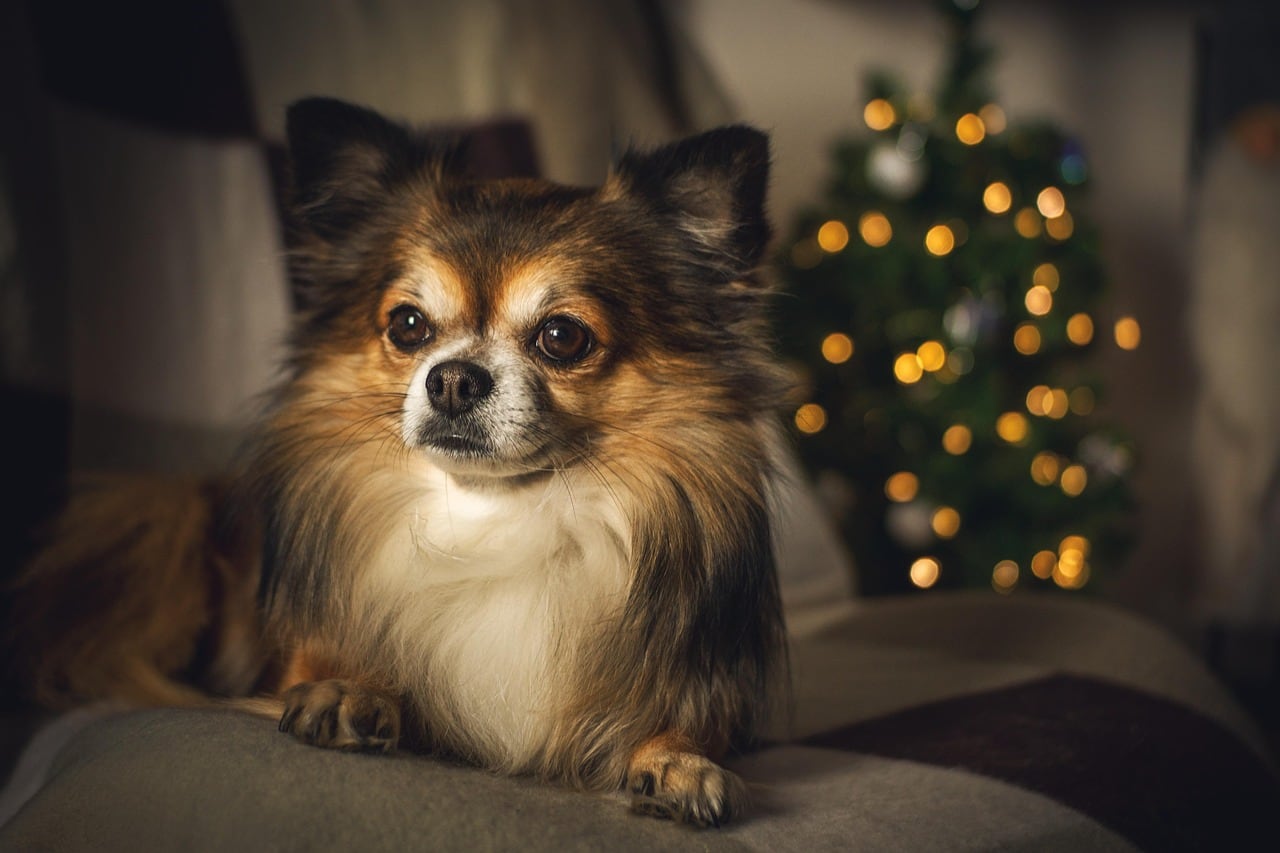
The breed comes in two coat variants – the short-haired Chihuahua and the long-haired Chihuahua. The short-haired variant has a smooth, close-fitting coat, while the long-haired variety has a longer, finer coat. Both variants fall under the same FCI standard No. 218 and differ practically only in coat type and length, not in size.
Due to the small body constitution of the Chihuahua, it is advisable to take into account that it is a dog with a rather fragile build, which needs to be taken into account when choosing equipment and when handling both the puppy and the adult.
Chihuahua Colors
The FCI standard for the Chihuahua does not restrict the color of the coat in any way - any coat color or combination of them is recognized, whether solid, bicolor or multicolor. Therefore, the type, build and proportions of the dog are mainly assessed, not the specific shade of the coat.
Nevertheless, puppies advertised under "exclusive" or "rare" colors such as merle (harlequin), isabella, blue or chocolate appear on the market in combination with other extreme characteristics. With merle coloring, it should be remembered that this pattern is caused by a genetic mutation, which in small breeds is solved by crossing with other breeds or combining two carriers of the merle gene - and it is the combination of two merle individuals that is associated with a higher risk of congenital defects of vision and hearing.
Breeding establishments that attract unusual colors often prioritize coat color over health and breed typicality, which can lead to aggravation of health problems to which the Chihuahua, as a small breed with an open cranial fontanel, is already predisposed. Therefore, when choosing a puppy, it is better to focus on the standard characteristics of the breed and the health of the parents, not on fashionable coloring.
Chihuahua personality
Specific data on the temperament characteristics of the Chihuahua are not provided in the background materials for this breed, so we do not include them here in order to stick to only verified facts.
Chihuahua and children
Weighing 1.5-3 kg, the Chihuahua is one of the smallest breeds in the world, which has a direct impact on living with children. The small body structure means that the dog can easily suffer injuries from careless handling, falling from a height or being hugged carelessly - young children often do not realize how fragile their bodies are.
Special care is needed with puppies who may have an open fontanelle on their skull (similar to other small breeds). Pressure on this area can be dangerous for the puppy, so an adult should always supervise handling the puppy.
It is recommended:
- always supervise your dog's contact with small children
- teach children to pick up and carry a dog in a correct, safe way
- Do not leave a Chihuahua unattended with very young children who cannot yet estimate the strength of a grip.
- provide the dog with its own quiet place where it can retreat
Due to its size and the need for gentle handling, the Chihuahua is better suited to households with older children who already respect the rules for handling a small animal.
Chihuahua and other dogs and pets
Chihuahuas get along best with dogs of a similar size, ideally with another Chihuahua or a small breed with a comparable temperament. Due to their small body structure and low weight (1.5–3 kg), there is a risk of injury when meeting a significantly larger or playfully clumsy dog, so it is advisable to always carefully monitor contact with large breeds and not leave the Chihuahua unattended in free movement among dogs of a different weight category.
Chihuahuas tend to be loyal and can form strong bonds with their own pack or the dogs they grew up with. They can be reserved or territorial with other dogs, regardless of their size – the breed’s self-confidence certainly doesn’t match their size.
Living with other pets, such as cats, usually works well if the animals grow up together from puppyhood or if the introduction is gradual and calm. Caution is advisable with smaller pets (rodents, birds), as the Chihuahua's predatory instinct can manifest itself in the same way as in other breeds, despite being a small dog.
Is a Chihuahua suitable for an apartment?
The Chihuahua is one of the breeds that is practically ideal for apartment life. With a height of 15–23 cm and a weight of 1.5–3 kg, it takes up minimal space and does not need a large area to move around – it needs only an apartment or short walks outside to run off its energy.
Thanks to its small constitution, the Chihuahua is also suitable for small apartments and households, where a larger or more active breed would suffer from a lack of space. The disadvantage of its small size is the increased risk of injury - the dog can easily fall off the couch or bed or be fatally stepped on or stepped on, which is something that needs to be considered in the apartment and the environment adapted to that.
When it comes to noise pollution, Chihuahuas tend to be loud and tend to bark at sounds behind doors or in a block of flats, which can be a problem in apartments with thin walls and neighbours behind the wall. With proper training and socialisation from puppyhood, this tendency can be reduced, but it often cannot be completely eliminated.
Due to its small body size, the Chihuahua also has a harder time tolerating the cold, so it will appreciate a warm and quiet place in the apartment where it can retreat.
How much exercise does it need?
The Chihuahua is one of the smallest breeds in the world and its exercise requirements correspond to this – it is definitely not a dog that needs hours of running. A short walk combined with sniffing the surroundings and a few dozen minutes of free movement a day is usually enough to keep it happy and in shape. Thanks to its small constitution and low weight, it can also handle a smaller apartment without a garden, as long as it has enough stimuli inside. Given the size of its chest and neck, it is advisable to choose a harness instead of a collar – small breeds may be more prone to problems with the trachea, and pulling on the leash on the neck is not ideal. Short games in the garden, looking for treats or simple dog trekking at a slow pace are suitable for the Chihuahua in terms of physical activities. More demanding sports such as agility in higher categories are not a natural choice for such a small dog, rather lightweight variants adapted to its size and body structure are more suitable.
Training and education
Chihuahua training requires a medium-demanding approach - it is not a breed that will learn commands instantly, but with systematic and patient guidance, it can master basic obedience without much difficulty. Given its neutral rating for beginners, it is also suitable for less experienced owners, as long as they are willing to pay regular attention to training.
A prominent issue is excessive barking - the Chihuahua tends to react loudly to stimuli from the environment, so it is advisable to work on managing this behavior from puppyhood and teach it to distinguish when barking is appropriate and when it is not.
This breed's need for mental stimulation is at a medium level, so short training blocks, games of fetch, or practicing new tricks can keep her mind occupied while deepening her relationship with her owner.
Hair care and hygiene
The Chihuahua comes in two coat varieties – short-haired and long-haired – and their grooming needs vary slightly. The short-haired variety has a close-fitting, smooth coat that can be brushed once a week with a rubber brush or damp cloth to remove loose hair and promote blood circulation to the skin. The long-haired Chihuahua needs brushing more often, ideally two to three times a week, to prevent matting behind the ears and on the hind legs.
Bathing should only be done when necessary, using a shampoo designed for dogs - frequent washing could disrupt the natural protective layer of the skin. Given the breed's small body weight, it is advisable to choose products and tools adapted to small dogs.
It is a good idea to check the ears regularly and, if necessary, wipe them gently with a damp cloth to prevent dirt from accumulating. The Chihuahua's claws grow despite less stress on the joints, and if they do not naturally wear down from walking on harder surfaces, they need to be trimmed regularly. Dental care includes regular brushing with dog toothpaste - this area is generally important for small breeds, so it is recommended to establish the habit of brushing teeth from puppyhood.
Feeding
Weighing just 1.5-3 kg, the Chihuahua is one of the smallest breeds, which is reflected in their feeding regimen. Their small stomachs and fast metabolism mean that Chihuahuas do better with smaller portions fed more frequently throughout the day – typically 2-3 meals – rather than one large meal. This prevents blood sugar fluctuations and digestive tract overload.
Due to the small body structure, it is necessary to monitor the portion size and energy value of the food very carefully. Even a small excess amount of food at such a low weight will quickly result in weight gain, which unnecessarily burdens the joints and musculoskeletal system. The food should correspond to the size of the dog - granules suitable for small breeds are easier to bite and process.
Given their long life expectancy (12-18 years), it makes sense to think of the feeding regimen as a long-term investment in health - gradually adapting the amount and type of food to age, activity and any changes in weight. For dogs with lower physical activity, it is appropriate to reduce energy intake accordingly to prevent overweight.
Fresh water should be readily available throughout the day, regardless of what type of food you prefer.
How long does a Chihuahua live?
The Chihuahua is one of the longest-living dog breeds of all – it lives an average of 12 to 18 years . This longevity is related to the breed's small size, which in dogs is generally associated with slower aging compared to large breeds.
The actual lifespan of a particular individual depends on a number of factors - genetics, quality of diet, adequate exercise and overall health care throughout life. Given their small body structure, it is advisable to pay attention to injury prevention, as falls or impacts can pose a greater risk for such a small dog than for more robust breeds.
Chihuahuas may be more prone to certain health complications associated with their small size, such as problems related to open fontanelles in puppies and tracheal problems. Regular veterinary check-ups and responsible breeding with an emphasis on the health of the parents therefore play a significant role in how long and high-quality the dog ultimately lives.
Who is a Chihuahua suitable for?
The Chihuahua is the smallest recognized dog breed, weighing only 1.5–3 kg, which fundamentally determines who is suitable for life and who is not.
This breed may be right for you if…
- you live in an apartment and do not have access to a large garden – the small size of the Chihuahua does not require a large space
- you are looking for a dog for a household without small children who might unintentionally mistreat the dog's small body
- you want a dog that can be easily transported and taken with you on trips if necessary
- you prefer a breed with a long life expectancy, for a Chihuahua it ranges from 12–18 years
- you will appreciate that you can choose between a short-haired and long-haired variant according to your coat care requirements
Consider another breed if…
- you have small children or other large and boisterous pets at home who could unintentionally injure a small dog
- Are you looking for a dog suitable for more demanding outdoor activities or for a family with high physical activity?
- you do not want to be extra careful with a small breed in normal household operations (stairs, open doors, movement of large dogs)
- you prefer a breed without the need to monitor the development of the skull in puppies, where an open fontanel can occur in small breeds
Interesting facts about the breed
The Chihuahua originates from Mexico and is named after the northern Mexican state of Chihuahua, where the breed originally came from under the name Chihuahueño. The FCI lists it under number 218 in the ninth group, a separate section called Chihuahueno, which indicates that it is a breed with no close relationship to other breeds within the classification.
Standing 15–23 cm tall and weighing just 1.5–3 kg, the Chihuahua is one of the smallest dog breeds in the world. Two coat variants are recognized – short-haired and long-haired – which differ only in the length of the coat, but the standard is otherwise the same.
It is also interesting that Chihuahua puppies are born with an unclosed cranial suture, the so-called molera - an open spot on the top of the skull, which in other breeds usually fuses much earlier. In some individuals, this open fontanelle can persist into adulthood, which is a topic of interest in the professional literature for small breeds.
Despite their small body structure, Chihuahuas are dogs with a relatively long life expectancy, ranging from 12 to 18 years.
Chihuahua Health
The Chihuahua is a long-lived breed, with a lifespan of around 12 to 18 years, making it a companion for its owner's entire adult life. However, its small body size and low weight mean that veterinary care must be tailored - from medication dosage to anesthesia to choosing the right diet - to keep the dog in optimal condition without putting unnecessary strain on its joints and heart.
For small breeds of this type, regular preventive examinations are recommended at least once a year, and for older individuals, preferably twice a year, because small dogs can mask health problems for a long time. Care should include monitoring the condition of the teeth, which are often overloaded in Chihuahuas due to their small mouths, and regular checks of the eyes and joints, ideally from puppyhood.
Given the size of the breed, it is also advisable to pay attention to safety when handling and moving - falls from a height or sudden impacts can have more serious consequences for such a small dog than for larger breeds. A responsible breeder should have the parents of the puppies examined by a specialized veterinarian, and new owners should ask about the health history of the line before purchasing.
Known predispositions
- to patellar luxation (dislocation of the patella), with a Swedish study recording the incidence of this defect in Chihuahuas at 23% of the individuals studied.
- to degenerative (myxomatous) mitral valve disease, which is one of the common cardiological diagnoses in Chihuahuas.
- to congenital hydrocephalus (accumulation of cerebrospinal fluid in the skull), which is one of the typical neurological risks described in Chihuahuas and other small breeds.
- to tracheal collapse, the occurrence of which in Chihuahuas and other small breeds is associated with genetic factors.
- to periodontal (dental) disease related to small jaws and crowded teeth.
- to congenital eye defects such as entropion, trichiasis, corneal endothelial dystrophy or glaucoma, as stated in the overview of hereditary eye diseases of the European College of Veterinary Ophthalmologists (ECVO).
- The breed may have an open cranial fontanel (so-called molera), which is described as a common feature associated with the structure of the skull in Chihuahuas. In persistent forms, monitoring by a veterinarian is advisable due to the risk of injury.
- to complications during childbirth (dystocia), which is listed among the repeatedly described health risks of the breed in Chihuahuas.
Discussed risks
The breed is described to have an increased predisposition to:
- to hypoglycemia (low blood sugar levels), especially in puppies and smaller individuals with limited glycogen stores.
This overview is for informational purposes only and does not replace the examination or recommendations of a veterinarian.
What to buy for a Chihuahua
Practical basis that is suitable for this breed:
- Car seats for dogs – Car seats and safety equipment for transporting a dog by car.
- Toys – Dog toys – fetching, chewing and interactive.
- Cosmetics – Shampoos, conditioners and hair care products.
- Bowls – Feed and water bowls, anti-swallow bowls and stands.
- Collars – Dog collars – leather, textile and semi-tight.
- Beds – Beds and mattresses for dogs of all sizes.
- Leashes – Leashes, switch leashes and tracking lines.
Useful guides
Practical tips that are useful when caring for a dog:
Frequently asked questions
Is a Chihuahua suitable for an apartment?
Thanks to its size (height 15–23 cm, weight 1.5–3 kg), the Chihuahua is one of the ideal breeds for apartment living. It does not need a lot of space and can do well in a smaller apartment or studio apartment.
How long does a Chihuahua live?
The Chihuahua is a long-lived breed with an average lifespan of 12-18 years. It is one of the longest-living dog breeds.
Is a Chihuahua suitable for beginners?
Their small size and ease of use make the Chihuahua an interesting choice even for owners with no previous experience with dogs. However, due to their small body structure, attention should be paid to safe handling, especially in households with small children.
How much does an adult Chihuahua weigh?
Adult males and females usually weigh 1.5–3 kg, making it one of the smallest dog breeds.
Are Chihuahuas good with children?
Due to its small size (15–23 cm, 1.5–3 kg), the Chihuahua is more fragile than larger breeds and requires careful handling by children. Families with small children should supervise play to prevent injury to the dog.
How much exercise does a Chihuahua need?
Due to its small size, the Chihuahua does not require long walks or a demanding exercise regimen. Short walks and playing in the apartment are usually enough to keep it in shape.
Does the Chihuahua have any health predispositions?
The breed may be at increased risk for problems related to open fontanelles in puppies and hydrocephalus. Small breeds, including the Chihuahua, have also been described to have an increased risk of tracheal collapse.
Is a Chihuahua suitable as a first dog?
The Chihuahua's small size and low demands on space and exercise make it an easy breed for a first dog. However, it is important to keep in mind that this is a small animal that requires careful handling and consistent training.
Are there short-haired and long-haired Chihuahuas?
Yes, the breed comes in two coat variants – short-haired and long-haired Chihuahua. Both variants fall under the same FCI standard No. 218.
Resources and further information
- FCI Standard No. 218 – Chihuahua – Fédération Cynologique Internationale
- Source for predisposition - avmi.net
- Source for predisposition – ecvo.eu
- Source on predisposition - pubmed.ncbi.nlm.nih.gov
- Resource on predisposition - ncbi.nlm.nih.gov
- Source for predisposition - vcahospitals.com
Professional cooperation
This breed overview was created in cooperation with the Veterinary Clinic VYVET sro and MVDr. Adam Hylák .