
Published 1. 9. 2026
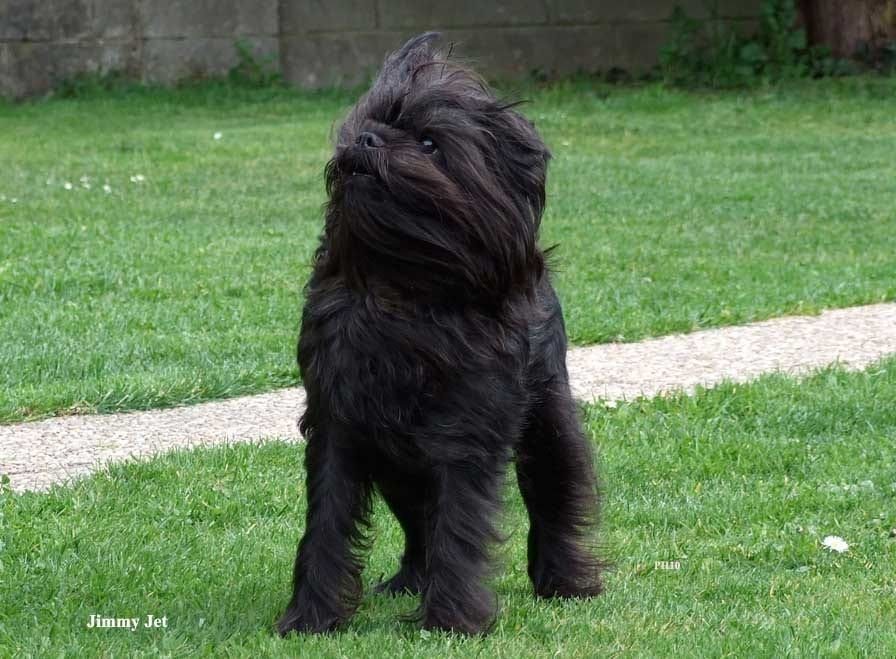
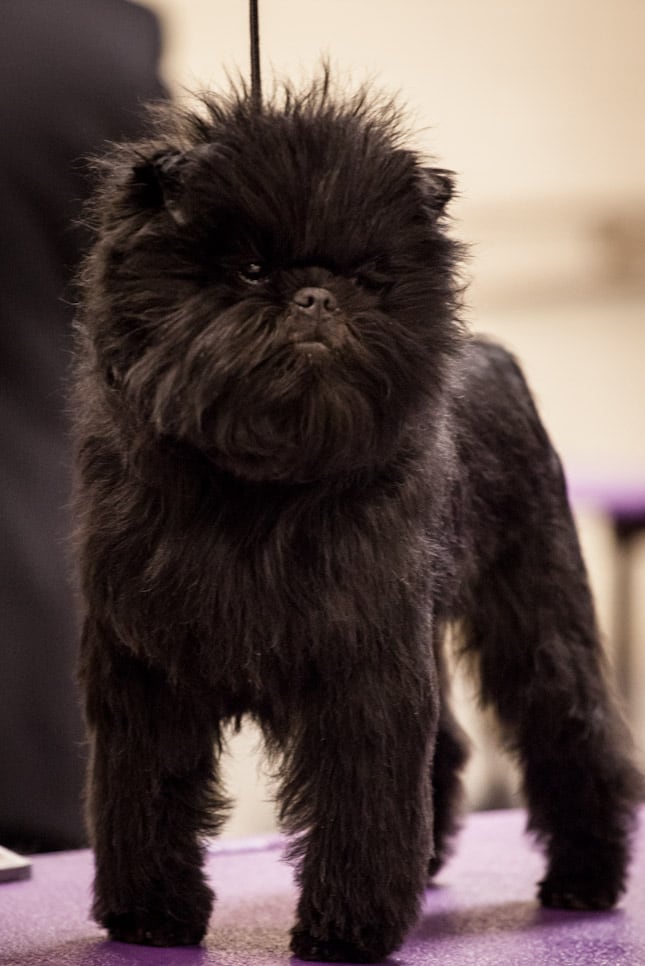
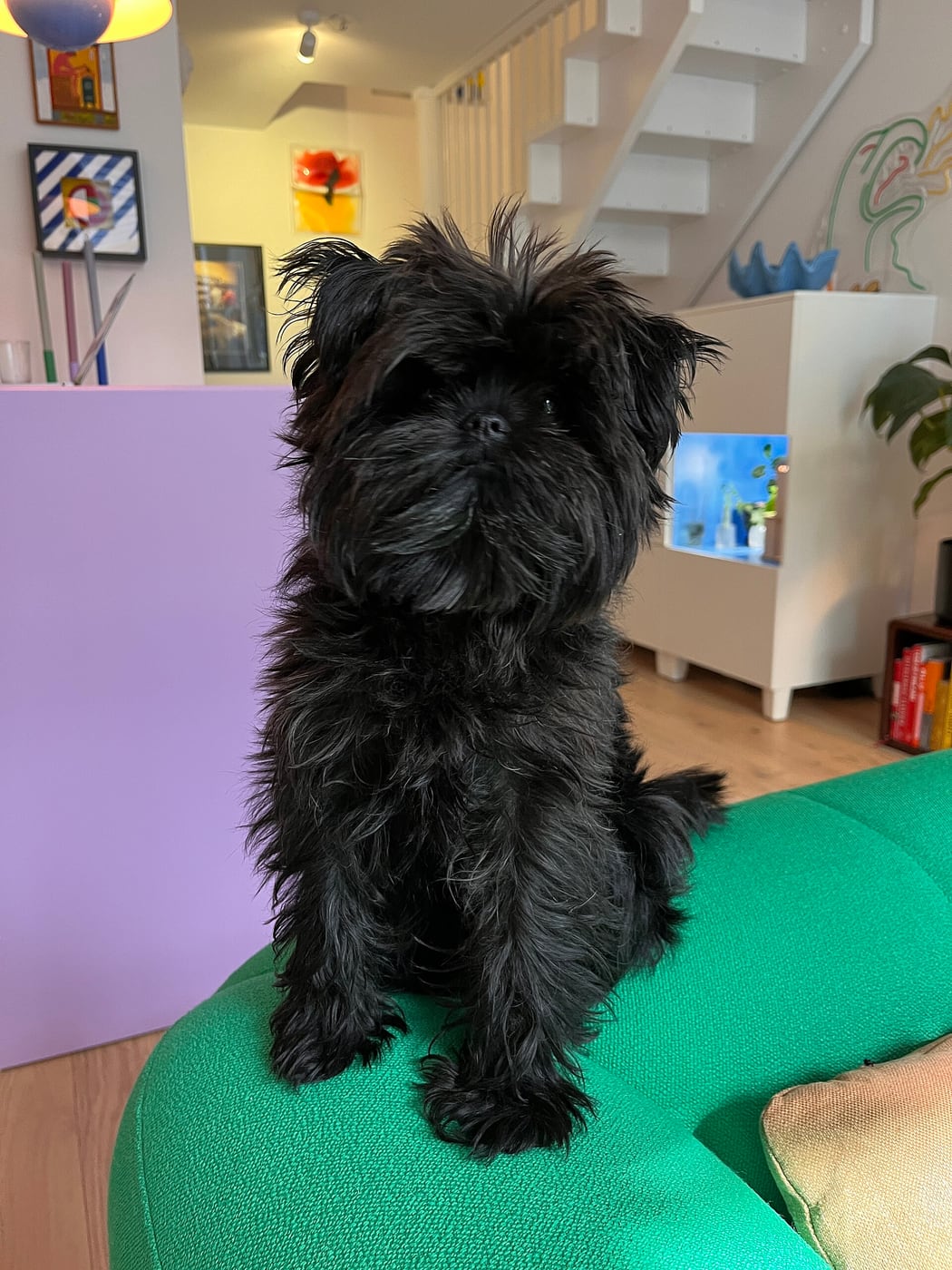
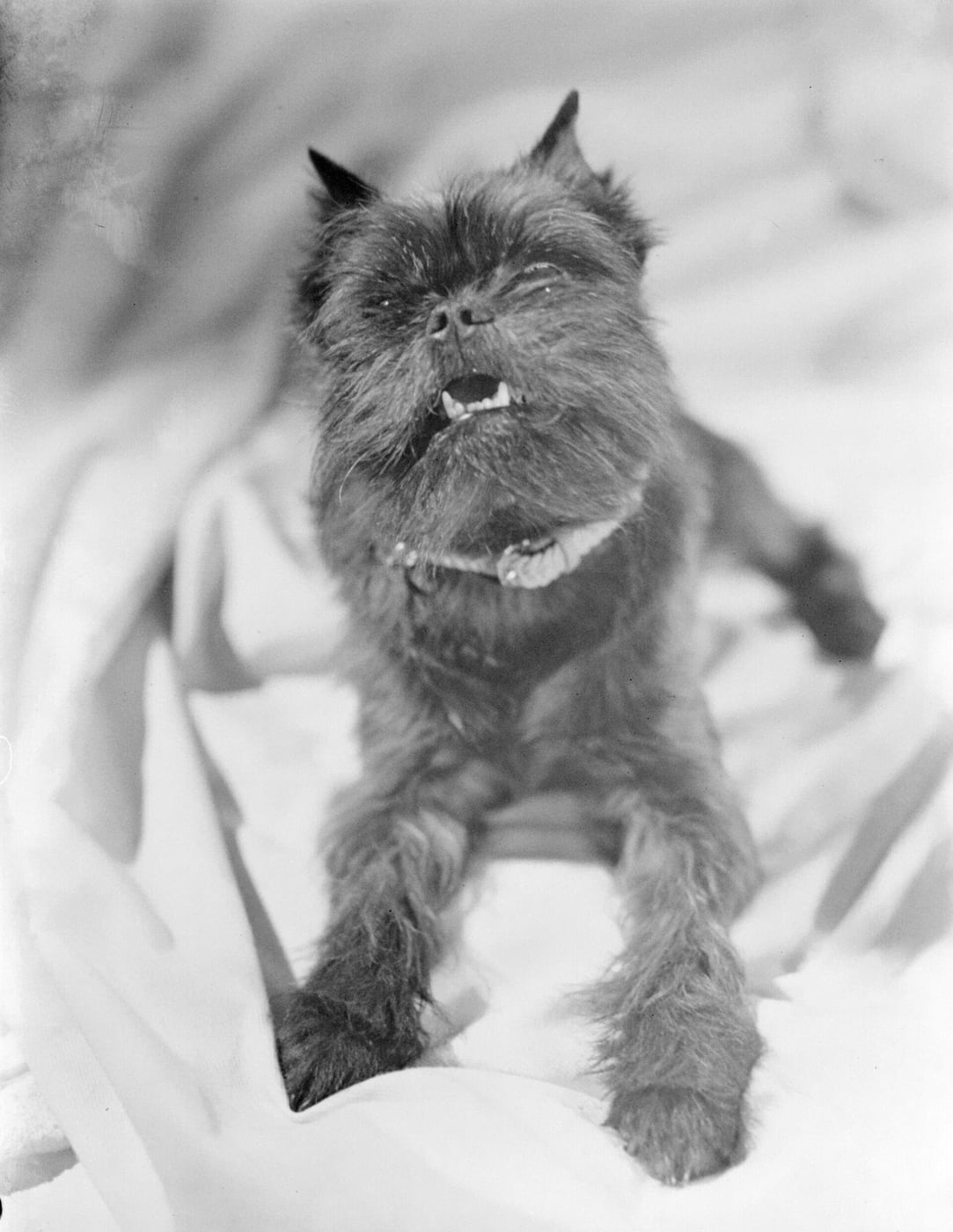
The Affenpinscher is a small breed from Germany, classified in FCI group 2 between pinschers and schnauzers (standard no. 186). It measures 25–30 cm at the withers and weighs 4–6 kg, with the body dimensions of males and females practically not differing. Its medium-length rough coat and distinctive, monkey-like facial expression are striking, after which the breed got its name.
In terms of temperament, this is a dog with a medium need for exercise and mental stimulation - it does not like to be bored, but it does not require sports. It is rather neutral towards the company of people and dogs and cats, which means that it builds relationships gradually and does not automatically count on strange animals without great enthusiasm. Thanks to its low shedding and undemanding space, it is suitable for an apartment, and is also suitable for seniors. It is not an obvious choice for beginners or families with small children - we rate its relationship with children as neutral and training requires consistency.
Professionally consulted
The content was created in cooperation with the veterinary clinic Veterinární klinika VYVET sro and MVDr. Adam Hylák.
Quick overview
What is the Affenpinscher like?
The Affenpinscher is a small dog with a rough coat and an expression that has earned it the nickname "monkey pinscher" - it comes from Germany and belongs to the FCI group of pinschers and schnauzers. It measures 25-30 cm at the withers and weighs 4-6 kg, with both males and females growing to practically the same size. Despite its small stature, it is a confident and spirited breed with its own head, which is not afraid to express itself with its voice.
In terms of activity and training requirements, they are considered moderately demanding dogs - they will appreciate regular exercise and mental stimulation, but they are not an extremely athletic type. They are moderately attached to family members, and do not seek independence that much. They are neutral towards children and other animals, so coexistence depends mainly on upbringing and socialization.
Thanks to its compact size and low shedding, the Affenpinscher is suitable for apartment living and for seniors who will appreciate its sociable but not too demanding nature. It is not an obvious choice for complete beginners or extremely active owners - it is more suitable for people who want a small, characterful dog with average coat care.
Origin and history of the Affenpinscher
The Affenpinscher is one of the oldest German breeds of small pinschers, with roots dating back to the Central European towns and farms of the 17th and 18th centuries. It was bred as a small but fearless ratter – to protect households, stables and shops from rodents, despite its small stature. The name suggests its characteristic appearance: its coat and facial expressions resembling a monkey's face led to its name being derived from the German word for monkey.
Originally, the Affenpinscher came in several sizes, with the larger individuals gradually separating out as a separate German Pinscher, while the smaller type retained its small build and became a popular companion dog in households and among craftsmen. It is believed that the Affenpinscher was also the originator of other breeds with similar coat and temperament, which developed in parallel in Europe in the areas of Germany, Belgium and surrounding countries.
From a working ratter, the Affenpinscher gradually transformed into a valued companion, popular due to its fearless nature and compact size, which allowed it to live even in an urban environment. Organized canine care for the breed developed at the beginning of the 20th century in Germany, where the first standard describing its typical appearance, rough coat structure and temperament was created. From there, the Affenpinscher gradually spread to other European countries and later overseas, where it found a group of breeders who appreciated its unmistakable expression and independent nature.
Appearance and size
The Affenpinscher measures 25–30 cm at the withers, regardless of gender – the standard does not distinguish between the height of males and females. The weight ranges from 4–6 kg, making it a small but compactly built dog with a solid skeleton that does not appear fragile at first glance.
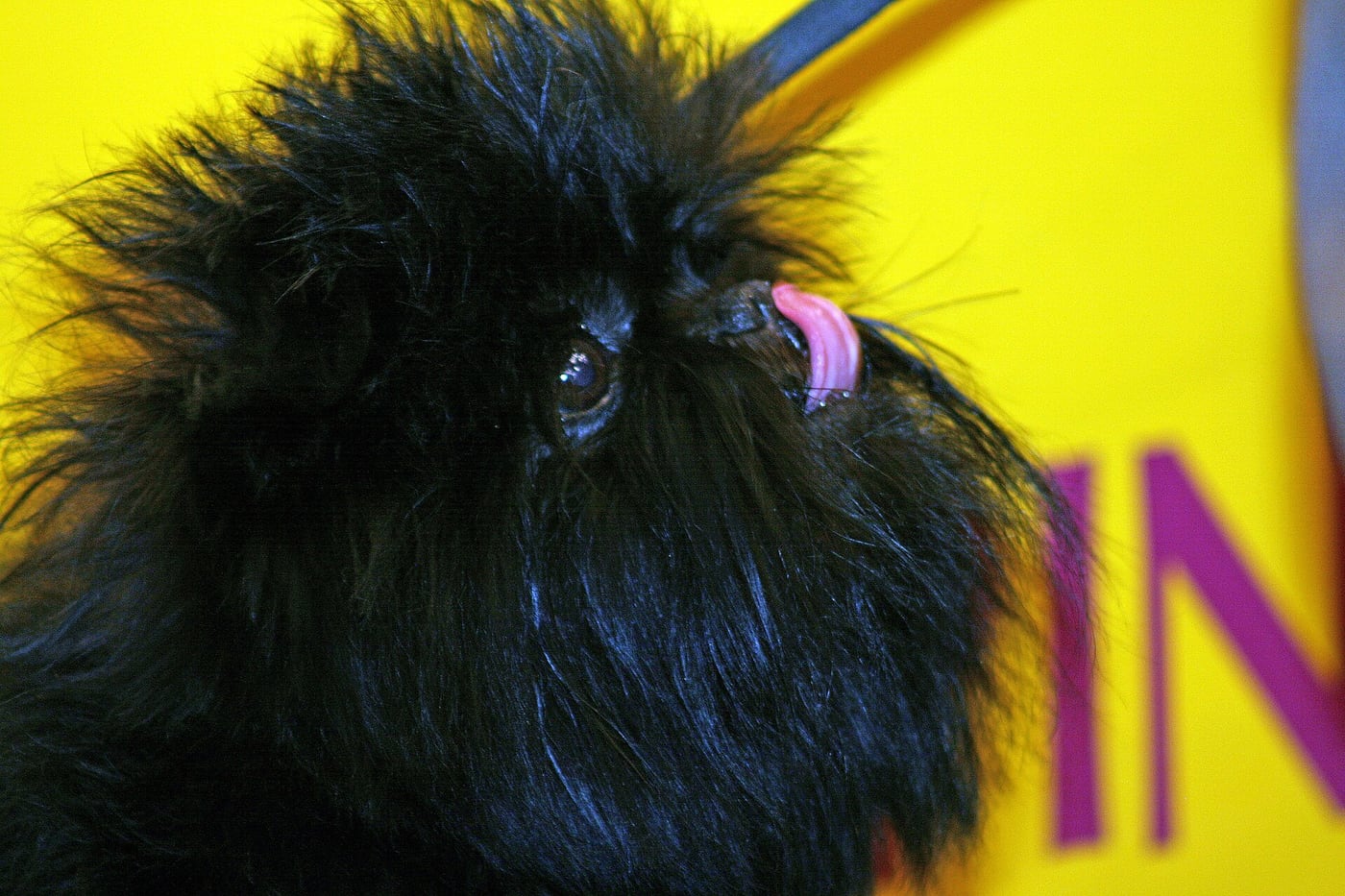
The body is short and square, with a relatively high-set neck, which allows the Affenpinscher to hold its head high and appear confident. The breed is characterized by a head with a pronounced, monkey-like chin and a short, slightly upturned nose - this expression gave the breed the nickname "monkey pinscher" in German. The eyes are round, dark and large, enhancing the sharp and inquisitive expression. The ears can be either erect or naturally drooping, in both cases set high.
Fur and tail
The coat is rough, medium length, tousled and unkempt on the body, which gives the Affenpinscher its typical "tousled" appearance. The coat is longer on the head and forms a kind of mane or beard around the eyes and muzzle, which accentuates the monkey-like expression. The color variations of the coat are addressed in a separate section dedicated to coloration. The tail is set high and carried upright.
The standard does not specify any demonstrable difference in height or weight between dogs and bitches - both sexes fall within the same range.
Affenpinscher Colors
The FCI standard No. 186 for Affenpinschers defines recognized coat colors and permitted markings, but their specific list goes beyond the scope of this overview - when choosing a breeding or exhibition individual, it is therefore advisable to verify the current color variants directly in the current version of the standard.
As for the coat itself, it is a rough, medium-length coat that requires average care for the Affenpinscher - it is one of the breeds with a low shedding rate, which will be appreciated by owners considering keeping it in an apartment.
Affenpinscher's nature
The Affenpinscher is a dog with a distinctly monkey-like expression and an equally distinctive personality – lively, self-confident and with a sense of self-importance that often prevents him from acknowledging that he is only a small breed. He tends to be strongly attached to his owner and seeks his closeness, while expressing his energy and temperament in short, intense bursts rather than in constant movement.
It is a dog with good intelligence, which at the same time maintains a considerable amount of independence and its own judgment - it decides when to follow a command and when it deems it appropriate to act in its own way. Training therefore requires patience and consistency, as the Affenpinscher can be stubborn and will test boundaries if it senses uncertainty on the part of its leadership.
Barking is one of its common manifestations - it reacts alertly to unfamiliar sounds and movement around the house and makes it known loudly, so it also has certain guarding tendencies, although it is not physically capable of defense. It is initially cautious towards strangers, and neutral towards children and other dogs and cats - coexistence usually depends on specific experience and socialization from puppyhood, not on automatic friendliness.
The Affenpinscher's need for companionship and mental stimulation is at a medium level - it can tolerate moments of loneliness, but it needs long-term contact with its family and small stimuli, otherwise boredom will manifest itself in its own stubborn version of entertainment. Thanks to its smaller size and moderately demanding nature, it is well suited to an apartment, but more so to owners who can offer it clear rules and regular attention.
Affenpinscher and children
The Affenpinscher's relationship with children is described as neutral - this does not mean rejecting their presence, but rather that it is not a breed that is automatically patient and adaptable to every manifestation of children's behavior. Its small body structure and temperament require that coexistence with children be set up from the beginning reasonably and with respect for both parties.
The Affenpinscher is a small dog with a strong personality – it tends to be self-confident and has its own mind, which is also evident in contact with children. It does not feel good if it is exposed to noisy or rough handling, pulling on its fur or unexpected physical contact. Given its low weight (approximately 4-6 kg), there is a risk of injury to the dog itself if handled carelessly by smaller children.
Socialization and upbringing
Early and consistent socialization of the puppy is key – introducing the Affenpinscher to common situations, sounds, and the presence of children at an early age helps the Affenpinscher build a calmer, more balanced relationship with them as an adult. Training this breed is rated as moderately difficult, meaning that basic obedience and boundary setting require patience and consistency, not one-time instruction.
It is equally important to guide children on how to handle a dog properly - teaching them to recognize when a dog needs peace and how to communicate with it without unnecessary stress on either side.
Adult supervision
It is recommended that the Affenpinscher be supervised by an adult when interacting with young children. This is especially true in situations where the child does not know the dog or is too young to understand the boundaries of appropriate behavior. Supervision reduces the risk of conflict situations and helps build positive associations between the dog and the child from the very beginning of their relationship.
- Gradually introduce your puppy to children and common household situations.
- Teach children gentle handling and respect for the dog's space.
- Do not leave small children and dogs unattended.
- Pay attention to signs of discomfort on the part of both the dog and the child.
Affenpinscher and other dogs and pets
In relation to other dogs and cats, the Affenpinscher is rated as neutral - it is not a breed with a distinctly friendly nature towards other animals in the household, but neither is it an individual with significant aggression or conflict. The practice of coexistence mostly depends on the specific socialization of the puppy and on how mutual acquaintance with the animals in the household is set up.
Given the neutral assessment, gradual and controlled introduction to new dogs and cats is recommended, ideally from an early age. For an adult who has not had experience with other animals, it is advisable to expect a longer adaptation phase and not rely on the relationship to develop on its own.
Specific data on the behavior of the Affenpinscher towards small animals such as rodents or birds is not available, so we recommend proceeding with caution in this regard and always monitoring new coexistences.
Is the Affenpinscher suitable for an apartment?
Yes, the Affenpinscher is one of the breeds that is very well suited to apartment living. Its small size and undemanding space requirements make it a suitable companion even for smaller households, but there are a few conditions that need to be taken into account.
Due to its size (25–30 cm, 4–6 kg), it does not need a large space, but rather appreciates plenty of stimulation and contact with its family - its need for company and mental stimulation is at a medium level, so it should not spend long hours alone without an interesting program. Physically, it needs short walks and occasional play supplemented by movement around the apartment, as its activity level is also rather medium.
For peaceful coexistence in a block of flats or an apartment building, the level of barking is also important, which is in the medium range for the Affenpinscher - it can therefore be expected that it reacts more loudly to external stimuli (the doorbell, sounds in the hallway), but with appropriate training this trait can be kept under control.
What to watch out for
- Ensure regular daily exercise despite the dog's smaller size.
- Dedicate time to mental stimulation and games to prevent boredom.
- Work on reducing barking if living in an apartment building is noise-sensitive.
- Expect medium care for the rough coat, which requires regular grooming even in an apartment.
How much exercise does it need?
The Affenpinscher needs regular, but not extreme, exercise – short to medium-length walks several times a day, supplemented with free movement and play, will do. This is a small, temperamental dog for whom mental activity is just as important as running around.
Given their moderate activity level, they will appreciate a combination of outdoor walks, ball chasing, or playing with another dog without needing hours of athletic performance. Activities that engage their sense of smell and brain are also suitable:
- search games and scent trails in the garden or while walking
- Basic obedience and trick training
- agility in a lightweight form adapted for small breeds
- walking together in the city and in nature, where he can use his curiosity
Mental stimulation is as essential for the Affenpinscher as physical exercise – he is an intelligent and observant breed that gets bored easily if given only a dull, unstimulating walk. Short training blocks and treat puzzles help keep him happy even on days with less exercise.
Due to its smaller size and lower activity requirements, the Affenpinscher adapts well to apartment living and a quieter lifestyle without suffering. In higher temperatures, it is advisable to adjust activity to the daily schedule and avoid more demanding exercise in the hottest weather.
Training and education
Training an Affenpinscher requires patience and consistency, although this is not an extremely difficult breed to train. The key is to keep training short and interesting, as long and monotonous repetition of commands will tire the dog out rather than teach it.
The Affenpinscher responds best to positive reinforcement – praise, small treats and play. Harsh methods or raising your voice are counterproductive with this breed and can lead to the dog avoiding training or becoming stubborn.
Socialization
Given its neutral attitude towards other dogs and children, it is worth paying attention to socialization from puppyhood. Gradual and calm introduction to different people, environments and other animals helps prevent insecurity or overly defensive reactions in adulthood.
Specifics of education
- Short, frequent training blocks work better than long lessons.
- Consistency in the rules is more important than the intensity of training.
- A moderate need for mental stimulation means that he will welcome small tasks and thinking games, not just physical movement.
- Due to the moderate barking, it is worth working on the command to calm down and limit barking to stimuli from the beginning.
Hair care and hygiene
The Affenpinscher has a medium-length, rough coat that requires regular, but not particularly demanding, grooming. Thanks to its low shedding rate, the hair does not fly around the apartment too much, which will be appreciated by owners who are bothered by the constant cleaning of fur from sofas and carpets.
Combing and trimming
The Affenpinscher's rough coat needs brushing about once or twice a week to prevent matting, especially around the eyebrows, beard, and legs, where the fur tends to be longer and thicker. Because it is a breed with a hard coat typical of the pinscher and mustache group, dead hair does not fall out on its own and needs to be removed by trimming (combing out or plucking out dead hair) usually two to three times a year. If you don't want to do the trimming yourself, you can use the services of a dog salon.
Bathing
Bathing should only be done occasionally, as needed - frequent washing could damage the structure of the rough coat and soften it unnecessarily.
Ears, eyes, teeth and claws
- It is advisable to check the ears regularly and, if necessary, clean them gently to prevent the accumulation of grease and dirt.
- It is a good idea to keep the characteristic longer hair around the eyes trimmed so that it does not irritate the area around the eyes and does not obstruct the view.
- It is advisable to brush your teeth to prevent tartar, ideally at regular intervals.
- Claws need to be trimmed depending on how quickly they grow, especially if the dog walks less on hard surfaces that would naturally wear them down.
Feeding
The Affenpinscher is a small breed weighing between 4 and 6 kg, which means that even small variations in the amount of food will affect its body more quickly than in larger dogs. Therefore, a high-quality complete food designed for small breeds is suitable, which corresponds to the age, size and activity level of the individual - a puppy, an adult dog and a senior have different requirements for energy value and composition of the diet.
Due to their moderate level of physical activity, the Affenpinscher does not need a particularly high-energy diet, as working or sporting breeds require. When compiling a diet, it is therefore better to base it on the dog's current condition rather than on the general recommendations on the food packaging.
Physical fitness check
In small breeds, excess weight is less noticeable, but it puts a strain on the joints and shortens the dog's active years. It is recommended to regularly check the ribs by feeling them and observe the dog's silhouette from above - the waist should be visible. If the dog is gaining weight, it is advisable to adjust the amount of food or limit the treats, not to change the entire composition of the diet.
- Choose food appropriate for the age category (puppy, adult, senior).
- Adjust the amount to your current weight and physical activity, not just the recommendations on the package.
- Treats should be included in the total daily intake to avoid excess energy.
- Ensure permanent access to clean water.
If you have any doubts about the appropriate composition or amount of food, it is best to consult a veterinarian who can tailor the recommendations to your specific dog.
How long does an Affenpinscher live?
The Affenpinscher has an average lifespan of 12 to 15 years, making it one of the breeds with the longest life expectancy among small and medium-sized dogs. However, the specific age varies from individual to individual depending on genetics, overall condition, and the care provided by the owner throughout his life.
What affects lifespan?
- Genetics: The health of parents and grandparents plays a key role - therefore it is recommended to choose breeders who monitor the health of parent pairs and do not work with individuals with known problems.
- Physical condition: The Affenpinscher is a small dog with a compact body structure, for which it is important to maintain an optimal weight - excess weight puts a strain on the joints and internal organs and can shorten their lifespan.
- Exercise: Corresponds to a moderate level of activity, i.e. regular walking and the possibility of free movement without excessive physical exertion. Adequate exercise keeps the muscles and cardiovascular system in good condition.
- Prevention: Regular veterinary check-ups, vaccinations, and deworming are among the basics that allow for early detection of potential health complications.
- Nutrition: Quality food appropriate for the dog's size, age and activity level supports digestive health and overall vitality.
- Health predisposition: The breed may have an increased predisposition to some health complications associated with small stature, so it is advisable to monitor the dog's overall health throughout its life and address any problems with a veterinarian in a timely manner.
Who is the Affenpinscher suitable for?
The Affenpinscher is more suited to a household where he will be a member of the family and will be counted on as a companion, not as a decorative addition to the apartment. Thanks to his small stature, he can be kept in a smaller space, but his attention and mental demands are comparable to more active breeds.
Who is the breed suitable for?
- For owners of apartments and smaller households, for whom the size of the dog allows them to breed without a garden.
- For people who want a dog with a strong personality and don't mind having their own head.
- For seniors looking for a smaller dog with a reasonable need for exercise.
- For those willing to devote themselves to regular, although not extremely demanding, coat care.
- For owners who can provide their dog with regular mental and physical exercise instead of passive "lying on the couch".
Who is the breed not suitable for?
- For complete beginners with no experience in raising a dog – training requires patience and consistency.
- For households with small children, where calm and respectful contact between the children and the dog cannot be guaranteed.
- For owners expecting a dog that will get along well with other dogs or cats without gradual socialization.
- For people who want to leave their dog alone for a long time - the Affenpinscher's need for companionship is at a medium level, not negligible.
- For owners with a distinctly sporty nature looking for a dog for intensive performance activities.
Interesting facts about the breed
The Affenpinscher originates from Germany and is classified in FCI group 2, section Pinscher and Schnauzer type, under standard no. 186. Its characteristic appearance with thick eyebrows, whiskers and short, rough coat earned it the nickname "monkey pinscher" - in fact, the original name Affenpinscher refers to the resemblance to a monkey's face.
Related breeds from a similar evolutionary line include the Giant Schnauzer, Schnauzer, Miniature Schnauzer, German Pinscher, Miniature Pinscher, and Doberman Pinscher – all of which share an origin in Central European breeding of Pinschers and Schnauzers originally aimed at destroying rodents.
Although it is a small dog weighing around 4-6 kg, it belongs to the group of breeds bred more for guard and social functions than as a purely social lapdog - this is reflected in its balanced need for exercise and mental stimulation.
Affenpinscher Health
The Affenpinscher is a small breed with a relatively long life expectancy, usually 12–15 years, which indicates its overall good constitution. The specific health predispositions of this breed are not described in detail in the available breeding and standardization documents, so it is advisable to consult the breed club and veterinarian directly for current health recommendations. In general, responsible breeding practices, a balanced diet and adequate stress on the joints during the growth period have a significant impact on the health of small breeds. The Affenpinscher's rough coat requires regular care, which can also be indirectly related to the condition of the skin if the coat is neglected.
What to look for when choosing a puppy
When choosing a puppy, it is advisable to request information about the health status of both parents and any veterinary examinations that the breeder performs as part of his breeding. It is recommended to visit the breeding station in person and assess the conditions in which the puppies are raised - the cleanliness of the environment, socialization with people and other animals and the overall vitality of the litter. It is also useful to check whether the breeder is registered with one of the recognized Affenpinscher breeders' clubs, which increases the likelihood of a responsible approach to the selection of breeding individuals.
- Health documentation of the puppy's parents
- Environment and conditions for raising the litter
- Level of socialization of puppies at an early age
- Breeder registration with a breeder's club
Known predispositions
The breed is described to have an increased predisposition to:
- to patellar luxation (dislocation of the kneecap).
- to hip dysplasia.
- to Legg-Calvé-Perthes disease (death of the femoral head in young individuals of small breeds).
- to an open fontanelle (insufficiently closed suture of the skull bone).
Discussed risks
The breed is described to have an increased predisposition to:
- to respiratory problems related to a shorter nasal passage, such as tracheal collapse.
- to eye diseases such as cataracts or progressive retinal atrophy.
- to von Willebrand's disease (blood clotting disorder).
Individual / uncommon
The breed is described to have an increased predisposition to:
- to skin problems and allergies.
This overview is for informational purposes only and does not replace the examination or recommendations of a veterinarian.
What to buy for an Affenpinscher
A practical basis that is suitable for this breed:
- Car seats for dogs – Car seats and safety equipment for transporting a dog by car.
- Toys – Dog toys – fetching, chewing and interactive.
- Cosmetics – Shampoos, conditioners and hair care products.
- Bowls – Feed and water bowls, anti-swallow bowls and stands.
- Collars – Dog collars – leather, textile and semi-tight.
- Beds – Beds and mattresses for dogs of all sizes.
- Leashes – Leashes, switch leashes and tracking lines.
Useful instructions
Practical tips that are useful when caring for a dog:
Frequently asked questions
Is the Affenpinscher suitable for an apartment?
Yes, the Affenpinscher is suitable for an apartment due to its small size and moderate need for exercise. However, it needs regular mental stimulation, otherwise it can get bored.
How much does an Affenpinscher weigh and how big is it?
The Affenpinscher measures 25–30 cm at the withers and weighs 4–6 kg, regardless of whether the dog is male or female. Although the dimensions correspond to a small breed, the Affenpinscher is classified as a medium-sized breed in the atlas.
How long does an Affenpinscher live?
The average lifespan of an Affenpinscher is between 12 and 15 years.
Is the Affenpinscher suitable for beginners?
The Affenpinscher is a neutral choice in this regard – it is neither an extremely easy nor an extremely demanding breed. Training and caring for it require a moderate level of experience and patience.
Is the Affenpinscher suitable for children?
The Affenpinscher's relationship with children is rated as neutral, so it depends on the individual's specific nature and upbringing. This is not a breed that would be automatically recommended as a children's dog.
How big and heavy is an Affenpinscher?
The Affenpinscher measures 25–30 cm at the withers, regardless of gender, and weighs 4–6 kg. This makes it a small to medium-sized breed.
How difficult is it to care for an Affenpinscher's coat?
Affenpinscher coat care is moderate – the medium-length, wiry coat requires regular brushing and occasional trimming to maintain its texture. Shedding is low in this breed.
Does the Affenpinschen line a lot?
No, the Affenpinscher's shedding rate is low, making it a relatively clean choice for the home. However, the coat still needs to be groomed regularly, as a rough coat doesn't look its best on its own.
Does the Affenpinscher get along with other dogs and cats?
Coexistence with other dogs and cats is described as neutral in the Affenpinscher, i.e. dependent on socialization and the specific nature of the individual. Due to its temperament, gradual and controlled introduction is recommended.
Does the Affenpinscher bark a lot?
The Affenpinscher's barking is moderate - it can alert you to stimuli from its surroundings, but it is not an extremely loud breed. The level of barking can be influenced to some extent by training and sufficient mental stimulation.
Is the Affenpinscher suitable for seniors?
Yes, the Affenpinscher is a suitable breed for seniors due to its small size, moderate activity needs, and the ability to live comfortably in an apartment. However, it does require regular grooming and mental exercise.
Resources and further information
- FCI Standard No. 186 – Affenpinscher – Fédération Cynologique Internationale
- Source of body measurements – fci.be
Professional cooperation
This breed overview was created in cooperation with the Veterinary Clinic VYVET sro and MVDr. Adam Hylák .