
Published 31. 8. 2026
The Jack Russell Terrier is a small breed originating from Great Britain, classified in FCI Group 3 among small terriers (standard no. 345). It measures 25–30 cm at the withers and weighs 5–6 kg regardless of gender, its coat is short, rough or smooth, and its maintenance is easy. Behind its small stature lies a dog with a very high level of energy and a need for mental stimulation, which was originally bred to work in the field and retains this working nature to this day. It is barking, sociable and requires training, which can be handled by a more experienced owner - it is not suitable as a dog for beginners, as well as for an apartment without enough exercise. It behaves neutrally towards children and other dogs, and is not an ideal choice for living with cats. It feels best with active people who can offer it enough exercise and employment.
Professionally consulted
The content was created in cooperation with the veterinary clinic Veterinární klinika VYVET sro and MVDr. Adam Hylák.
Quick overview
What is a Jack Russell Terrier like?
The Jack Russell Terrier is a small breed from Great Britain, classified in FCI Group 3 among terriers. It measures 25–30 cm at the withers and weighs 5–6 kg, which applies to both males and females without any significant difference between the sexes. The coat can be rough or smooth, always short and low-maintenance, and shedding is moderate.
By temperament, it is an energetic, noisy and very intelligent dog with a strong need for exercise and mental stimulation. It is neutral towards other dogs, rather unsuitable for cats and neutral towards children - coexistence therefore requires guidance and socialization. Training is more demanding and requires consistency and experience.
It is especially suitable for:
- active owners with enough time for daily exercise and training
- more experienced breeders who can handle a more stubborn nature
- households with the possibility of outdoor exercise, less suitable for an apartment
On the contrary, it is not an ideal choice for beginners, seniors, or for purely indoor breeding without enough activities.
Origin and history
The Jack Russell Terrier originated in the 19th century in southern England and its development is linked to the Reverend John Russell, an avid fox hunter, who wanted a terrier capable of chasing a fox into a hole and barking it out without killing it or engaging it in combat. The basis of his breeding was a female named Trump, a smooth-coated white-and-tan terrier that he acquired from a local milkman and whose appearance – light weight, long legs and light fur that allowed him to distinguish a dog from a fox – became a model for further breeding.
The breed's ancestors were the Old English Hunting Terriers, from which other terrier breeds of the Isles later developed. The key requirement was to preserve a more leggy, agile type that could keep up with horses and packs of hounds, as opposed to the heavier, short-legged terriers bred more for pest control. This gradually separated the Jack Russell line from related breeds and established itself as a distinct working type.
For many decades, they were purely working dogs without a unified standard, bred primarily for performance, not appearance, which led to considerable variability in coat type and body structure. It was only in the second half of the 20th century that the breed was formally recognized by canine organizations and a standard was established that unified the requirements for size, proportions and temperament. Even after standardization, the breed retained its reputation as an excellent working terrier and is still valued primarily for its tenacity and hunting instincts.
Appearance and size
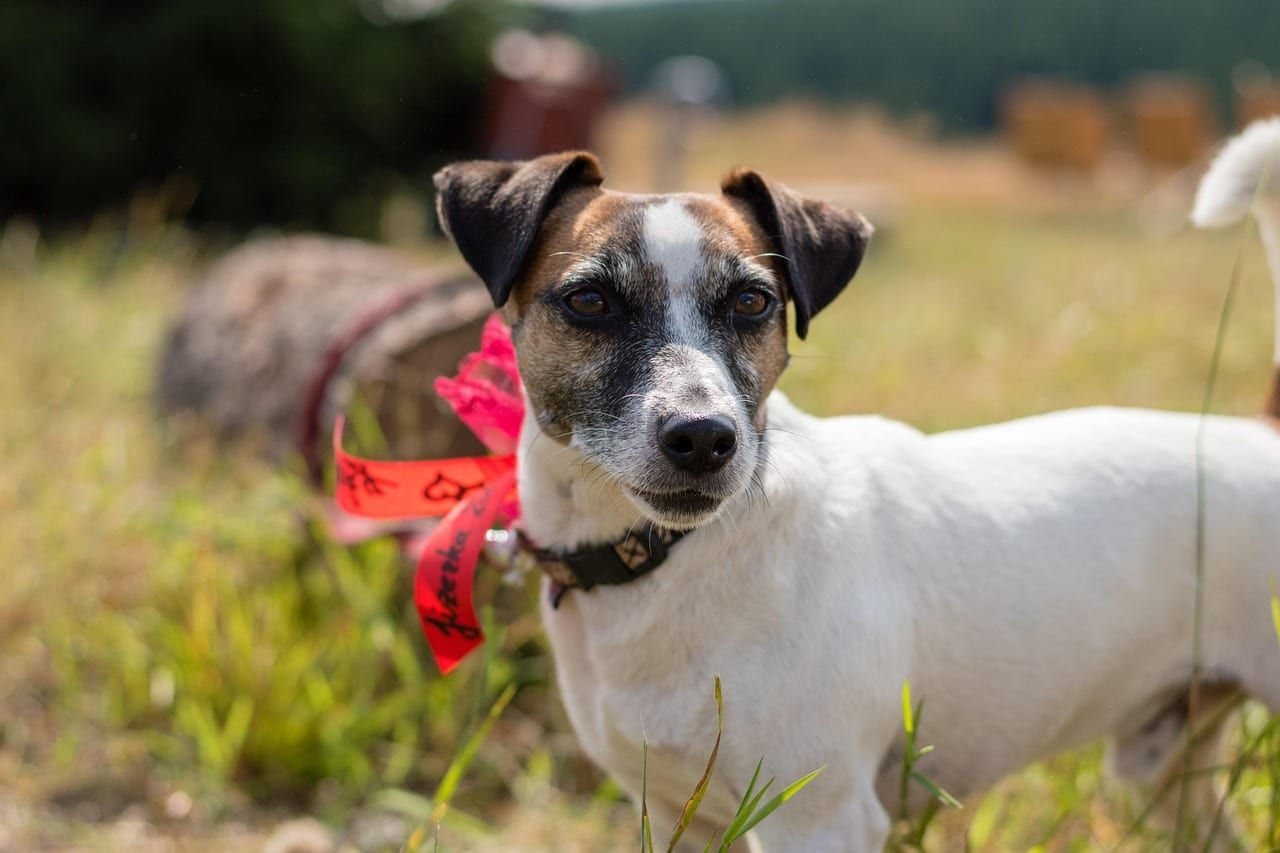
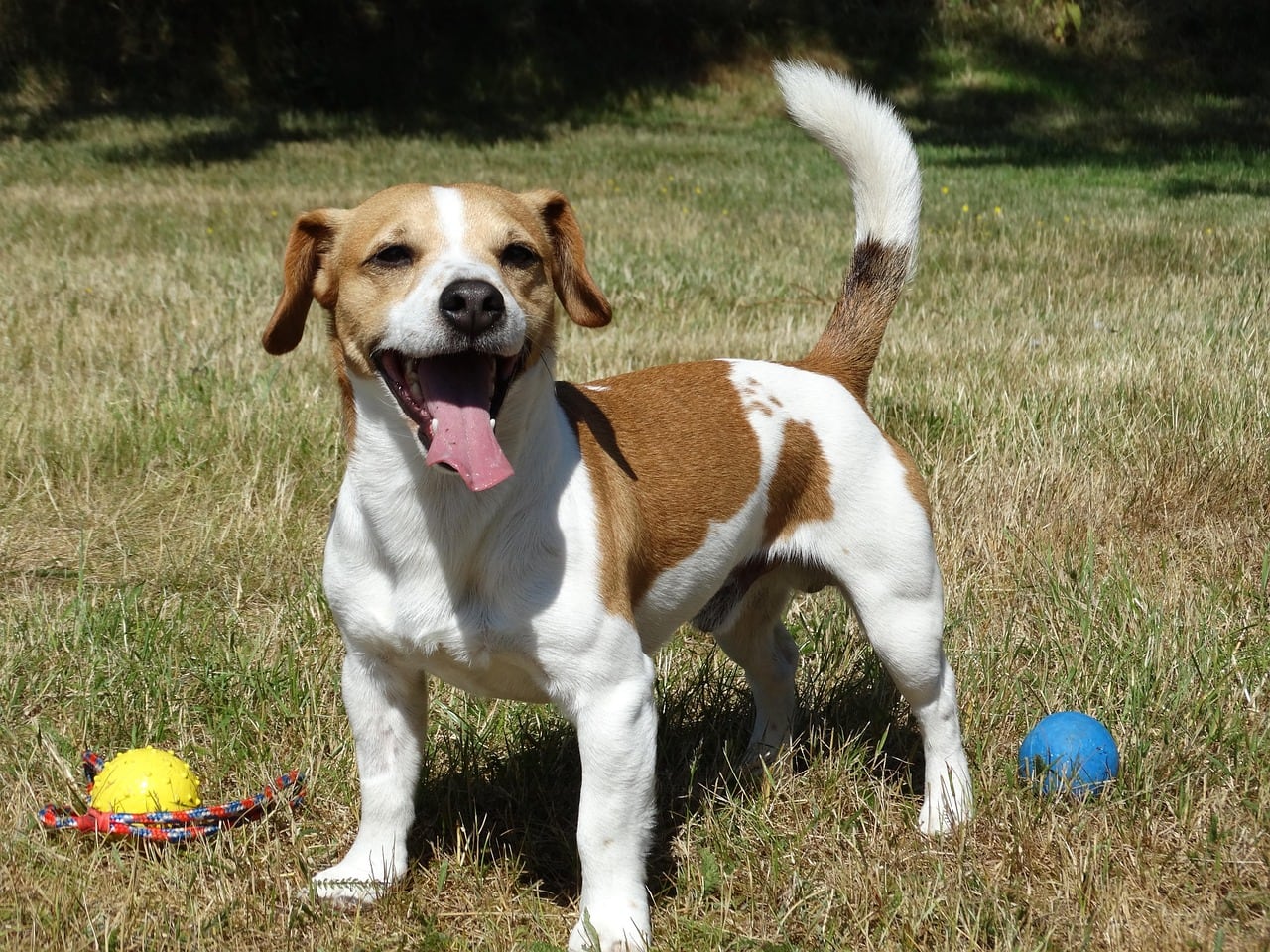
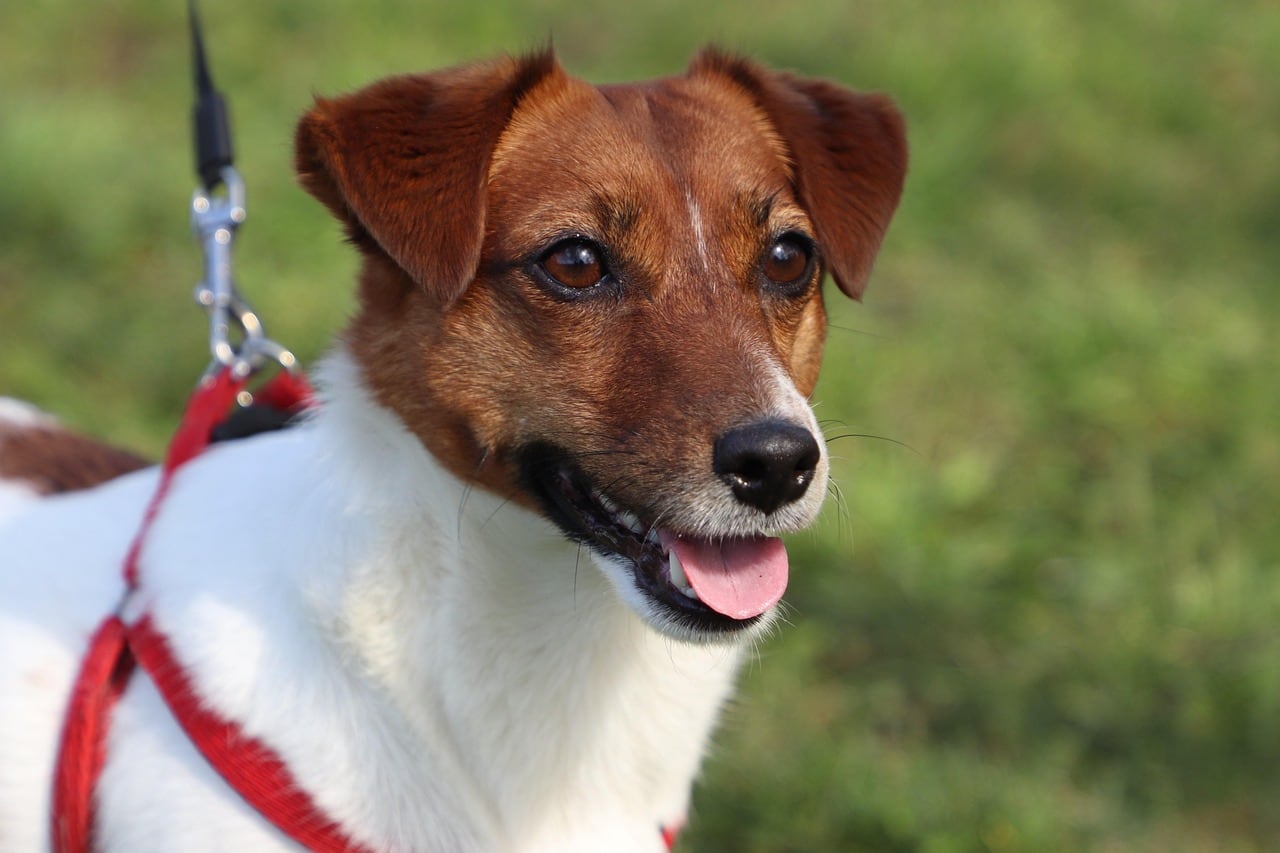
The Jack Russell Terrier measures 25–30 cm at the withers, regardless of gender – both males and females reach the same range. Likewise, the weight of both sexes ranges between 5–6 kg, so the visual differences between males and females are minimal in this breed. It is a compact, rectangular terrier with a solid skeleton, which, despite its small stature, appears athletic and durable.
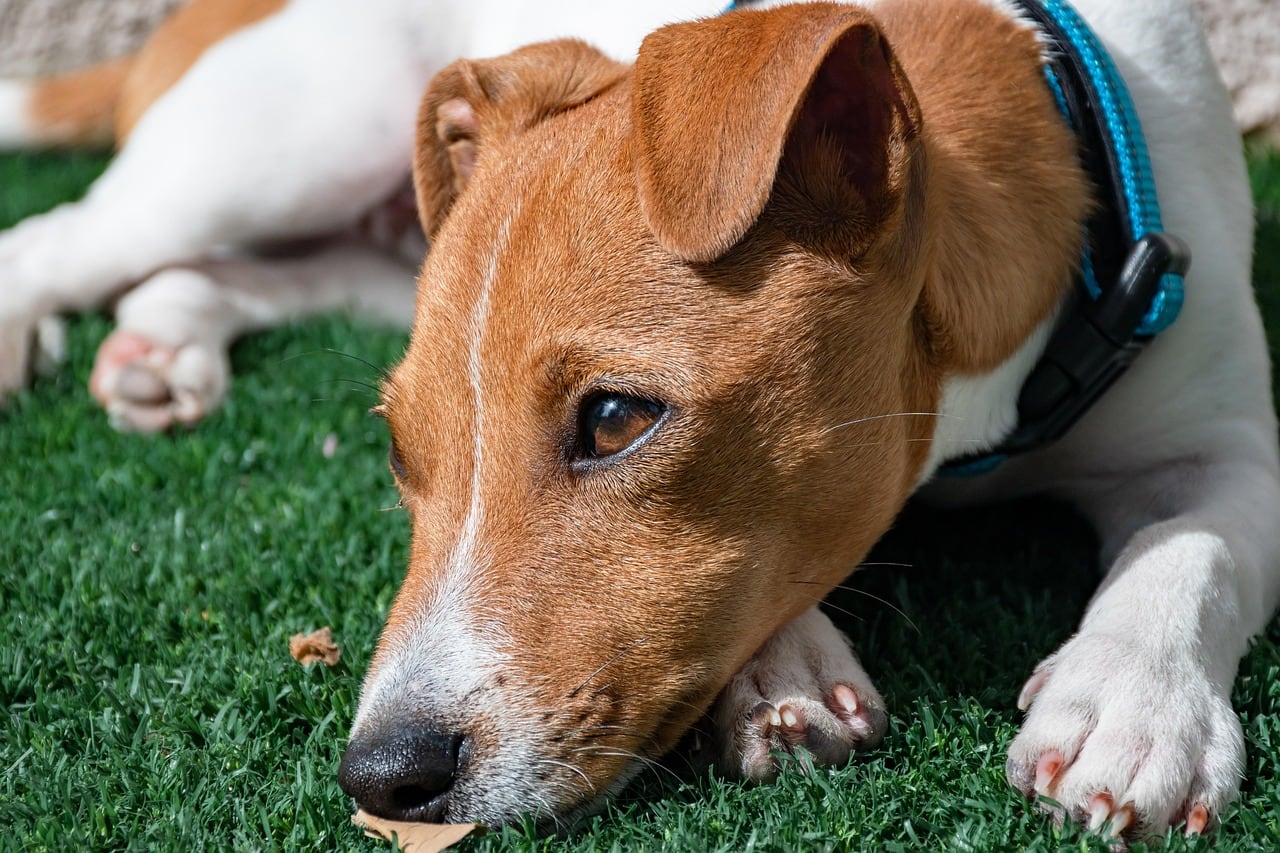
The head is moderately broad, with a gradually tapering muzzle and a prominent but not excessively deep stop. The eyes are dark, almond-shaped, set so as to give the expression the alertness and alertness typical of working terriers. The ears are small, clam-shaped and carried folded forward against the cheeks.
The coat comes in two varieties – wire and smooth – both of which are short and close to the body, reflecting the breed's original purpose for field work and burrowing. The tail is set high and carried erect, and in working dogs it is traditionally docked so that it remains long enough to grip when pulling the dog out of a burrow.
Typical body structure features
- Compact, rectangular body with sufficient chest space for movement in underground burrows
- Strong, straight limbs with good muscle mass
- Small, functionally shaped head and ears
Color variations and their distribution are described in a separate section dedicated to coloring.
Jack Russell Terrier Colors
The FCI standard for the Jack Russell Terrier precisely defines the color and distribution of the marks that are recognized in the breed, including the ratio of white to other shades. The specific list of permitted color combinations and possible excluding defects is set out in the current version of the FCI standard No. 345, so it is advisable to check it directly with the breed club before breeding or participating in shows.
Jack Russell Terrier personality
The Jack Russell Terrier is an energetic, confident and very intelligent dog with a strong sense of independence inherited from its ancestors bred to hunt vermin. The bond with its owner is strong and devoted, yet this terrier retains its head - it makes decisions quickly and often based on its own judgment, which can come across as stubborn.
Typical is an irrepressible energy and a need to be constantly on the move or in action. It does not tolerate boredom well and without sufficient exercise it can find its own – often undesirable – way to discharge its energy. Its high intelligence makes it a bright companion who learns quickly, but also quickly learns what the owner did not want to teach.
He is sociable towards his people and seeks their presence, long-term isolation does not suit him. He has a natural tendency to guard the house and reacts loudly and without hesitation to unusual stimuli. In relation to other dogs, he is rather neutral to assertive, but his strongly developed hunting instinct often complicates coexistence with cats and small animals.
Typical behavioral manifestations
- Quick reactions and keen interest in surrounding events
- Tendency to bark loudly when guarding or excited
- Strong hunting instinct towards small animals
- Independent decision-making, which may manifest as disobedience
- The need for constant contact with the owner and aversion to long periods of solitude
Jack Russell Terrier and children
We rate this breed as neutral in terms of children's companionship - it is not a dog that would automatically be suitable for children, but with proper management and respect on both sides it can work well. The Jack Russell Terrier is a spirited, energetic and very tenacious dog with a strong hunting instinct, which means that sudden movements, shouting or pulling on the fur can provoke a defensive reaction. At the same time, it is a breed that needs clear rules and consistent upbringing, and the same needs to be taught to children in the household.
Early and ongoing socialization of the puppy with children of different ages is key, as is teaching children how to behave around the dog – not to disturb it while eating and resting, not to force it into contact and to recognize signals of dissatisfaction. Given its high need for exercise and mental stimulation, the dog will appreciate it if an older child who is able to respect boundaries and rules actively participates in games and activities with children, while with young children, adult supervision is more appropriate during every contact.
What to watch out for
- Do not leave small children and dogs unattended, even for a short time.
- Teach children not to touch the dog while it is eating, sleeping, or playing with a toy.
- Expect a high level of barking, which can be stressful for both the dog and the neighbors in a family environment with children.
- Ensure that the dog has enough exercise and fun so that it does not direct excess energy in an undesirable way towards children.
Jack Russell Terrier and other dogs and pets
The Jack Russell Terrier belongs to the FCI Terrier group (small terrier section), which is consistent with its nature - it is a dog with a strongly developed hunting instinct, which was bred as a small, powerful terrier. This trait is significantly reflected in its relationship with other animals in the household and outdoors.
The relationship with other dogs is neutral for this breed - the Jack Russell Terrier usually gets along with them without any problems, but it depends on socialization and the specific nature of both dogs. Due to its temperament and high barking, there may be more lively interactions, especially when it comes to defending territory or toys.
Cats and small pets
We do not recommend living with cats, precisely because of the hunting nature of the breed. The Jack Russell Terrier tends to react instinctively to the fast movement of small animals, which can lead to chases even if he grew up with a cat since puppyhood. Caution is advised with small rodents, caged birds or other small animals for the same reason - their presence in the household can trigger a strong hunting reaction in this dog, which is difficult to completely suppress with training.
If a cat or other small animal already lives in the household, it is advisable to consider acquiring a Jack Russell Terrier only with awareness of this risk and to pay increased attention to socialization and training to be calm in the presence of other animals from an early age.
Is the Jack Russell Terrier suitable for an apartment?
Probably not – the Jack Russell Terrier does not really belong in an apartment without further adjustments to the owner's lifestyle. It is a very active and energetic breed with a high need for mental stimulation, which in a small space without sufficient exercise quickly shows restlessness, destructive behavior or excessive barking.
Apartment living is possible with this breed only if several conditions are met:
- Enough exercise: daily walks must be long and physically demanding, ideally supplemented with free movement in nature, where the dog can exercise its hunting temperament.
- Mental exercise: fetch, search games, training or agility are essential - without involving the head, energy accumulates and manifests itself in undesirable behavior.
- Neighborhood tolerance for barking: The Jack Russell Terrier is a loud dog, which can be a problem for neighbors in an apartment building with thin walls.
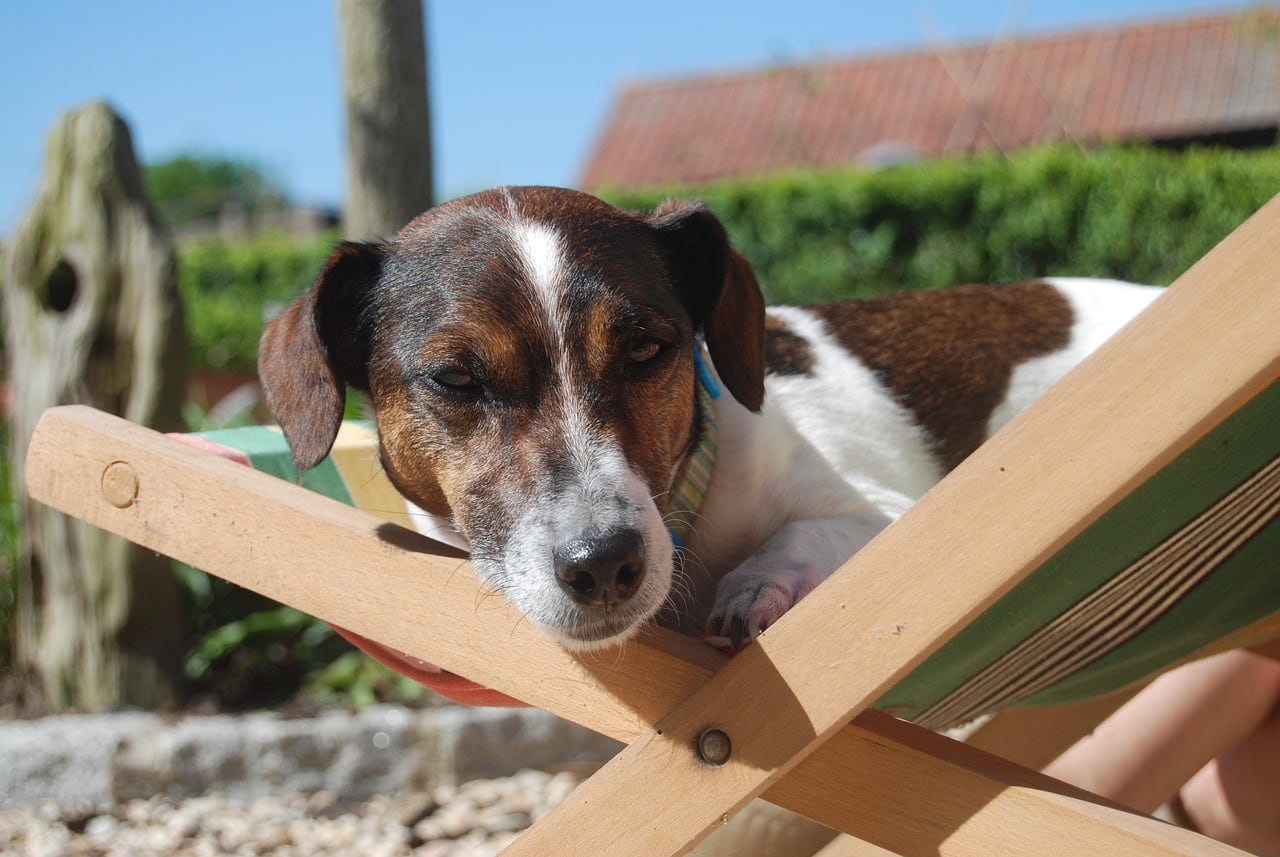
- Peace in the home: although it needs a high dose of exercise outdoors, it can rest in the apartment if it has had a good amount of activity.
A home with access to a garden or at least close to nature, where the owner can regularly and long-term satisfy their need for movement and activity, is therefore more suitable than a small apartment.
How much exercise does it need?
The Jack Russell Terrier needs at least an hour or two of active exercise a day, and a walk on a leash alone is not enough to satisfy him - these are working terriers bred for herding and hunting, so they need space to move freely, sniff and solve tasks.
Due to its very high activity level and equally high need for mental stimulation, this breed is better suited to people who can offer it a varied daily program, not just a steady routine.
Suitable activities and sports
- Fetching and games with a ball or toy to search for
- Agility and other agility sports
- Burrowing and activities that utilize the natural hunting instinct
- Olfactory games and finding treats that engage the mind as well as the body
- Longer walks in the field with the possibility of free movement in a safe place
In addition to physical exercise, it is important to regularly engage the dog's mind - a bored Jack Russell Terrier will easily find his own, often unwanted, entertainment. A combination of exercise and training elements, i.e. obedience combined with physical activity, is often more effective for this breed than running around alone.
Due to their short coat and energetic nature, it is advisable to ensure that intense activity does not take place in extreme heat - even though they are not a breed with a flat muzzle, terriers can also be more prone to overheating on hot days during prolonged exertion.
Training and education
Training a Jack Russell Terrier requires patience and experience – it is an intelligent dog with its own mind, which learns quickly, but it will also quickly demand guidance, otherwise it will organize its training in its own way. Therefore, this breed is not recommended for complete beginners.
Motivation is usually driven by prey drive and movement – play, fetch or scent trails work better than monotonous repetition of commands. Short, dynamic lessons ending in success hold attention much more effectively than a long drill.
Recommended approach
- Positive motivation (treats, toys, praise) instead of harsh methods - the Jack Russell Terrier reacts to pressure with stubbornness, not obedience.
- Short training blocks several times a day, ideally combined with exercise outdoors.
- Strict and consistent rules from the puppy - what is allowed once should also apply next time.
- Involving olfactory and movement games that will unleash the hunting instinct in the desired direction.
Socialization should begin as early as possible and be ongoing – contact with other dogs remains rather neutral in this breed and without targeted introduction, conflicts may occur, especially with equally dominant individuals. Due to the strong hunting instinct, caution is also required when meeting cats or small animals, where coexistence is not a given.
The high need for mental stimulation means that physical fatigue alone is not enough - without tasks and new activities, the Jack Russell Terrier will find his own, often unwanted, entertainment, which is also manifested in a tendency to bark when bored or frustrated.
Hair care and hygiene
This breed is easy to care for, making it a good choice for owners who don't want to spend hours grooming daily. It comes in two coat varieties – wire and smooth – both of which are short and close-fitting.
- Combing: Simply brush once a week with a rubber brush or glove to remove dead hair and promote blood circulation to the skin.
- Trimming: For the wire-haired variant, occasional combing out of dead hair (trimming) is appropriate to keep the coat functional and well-disposed of water and dirt. The smooth-haired variant does not require trimming.
- Shedding: Shedding is of moderate intensity, usually seasonal in spring and autumn, when it is advisable to comb a little more frequently.
- Bathing: Due to its active nature and fondness for running around outdoors and in the field, the dog often gets dirty, but it should only be bathed as needed to avoid damaging the natural protective layer of the skin.
- Ears: It is a good idea to check the ears regularly and gently clean them if they are dirty, especially after spending time in the field or in the water.
- Eyes: It is enough to occasionally wipe the corners of the eyes with a damp cloth to remove any dirt.
- Teeth: Regular dental care helps prevent tartar buildup.
- Claws: Due to high activity and movement outdoors, the claws often wear down naturally, but it is still advisable to check their length regularly and trim them if necessary.
Feeding
A high-quality complete food adapted to age, size and high activity is essential for the Jack Russell Terrier - its energetic temperament and need for constant movement mean higher demands on quality sources of protein and energy, especially for individuals who work actively or play sports.
Since this is a small and active breed, it is advisable to choose a food designed for smaller breeds with an appropriate kibble size and nutritional composition. A puppy requires a different ratio of nutrients than an adult dog, and older individuals often benefit from a food with a modified composition that is gentle on the joints and digestion.
Physical fitness check
Although the Jack Russell Terrier is a small and very active dog, it is easy for the owner to mistake its energetic expression for a guarantee that it is not overweight. The opposite may be true - especially in dogs with a lower level of actual exercise compared to their needs, a tendency to gain weight may appear. It is recommended to regularly check the body condition by feeling the ribs and observing the waist from above, or consult a veterinarian about adjusting the amount of food.
- Choose food according to age, breed size and current activity level.
- Treats used during training should be counted towards the total daily intake.
- Regularly monitor body condition and adjust feed amount as needed.
- Ensure constant access to fresh water, especially during increased physical exertion.
How long does a Jack Russell Terrier live?
There is no reliable data on the exact range of life expectancy, but in general, small terrier breeds with a similar body structure and a weight of around 5-6 kg are among the dogs with a longer life expectancy within the canine population. The specific age of an individual always depends on a combination of genetics, living conditions and the care they receive from their owner.
What influences life expectancy the most?
For a small, very active terrier like the Jack Russell Terrier, several factors come into play:
- Genetics and origin: the health of the parents and responsible breeding with the selection of individuals without obvious genetic burdens is reflected in the overall vitality of the offspring.
- Physical condition: thanks to its low body weight and muscular, athletic build, this breed is predisposed to maintaining good physical shape, as long as the owner does not allow excess weight, which would only worsen the strain on the joints and heart.
- Exercise and mental stimulation: due to the very high need for activity and mental exertion, this dog needs plenty of exercise and mentally demanding activities every day - their lack can affect not only behavior, but also overall condition in the long term.
- Prevention and veterinary care: regular deworming, vaccinations and preventive check-ups help to detect potential health complications early.
- Nutrition: due to their small size and high energy needs, it is advisable to adjust their feeding to the intensity of their exercise and age to avoid malnutrition or, conversely, overloading their joints with excessive weight.
- Health predisposition: the breed may have an increased predisposition to certain hereditary diseases, so it is advisable to consult the breeder or veterinarian about specific risks before purchasing a puppy.
Who is the Jack Russell Terrier suitable for?
The Jack Russell Terrier is best suited to experienced and active owners who can provide him with plenty of exercise and mental stimulation, as well as consistent training. He is a working terrier with high demands on activity and mental stimulation, which makes him an unsuitable choice for a quiet, comfortable family life.
Who is the breed suitable for?
- For active owners who spend a lot of time outdoors and are interested in dog sports or other regular physical activity
- For people with training experience who can set clear rules and be consistent
- For households where the dog will spend a lot of time in the company of people and will not be alone for long periods of time
- For homeowners with a garden rather than an apartment, ideally with the possibility of safe outdoor activities
- For those who appreciate a spirited, sociable dog with a distinctive personality
Who is the breed not suitable for?
- For complete beginners with no experience with dogs that are more difficult to train
- For seniors or people who cannot provide the breed with intense daily exercise
- For owners looking for a calm apartment dog – the Jack Russell Terrier is not suitable for an apartment
- For households with cats or small animals where he might show a strong hunting instinct
- For people who are bothered by frequent barking and do not want or cannot keep their dog mentally occupied enough
Interesting facts about the breed
The Jack Russell Terrier is classified in FCI Group 3 (Terriers), specifically in the small terrier section, under standard no. 345, and its country of origin is Great Britain.
Interestingly, there are two coat variants in this breed – rough and smooth – both of which are short and low-maintenance, which is a practical feature for an active working terrier.
Breeds that are often compared to the Jack Russell Terrier due to their similar terrier character and size include the Cairn Terrier, Australian Terrier, or Scottish Terrier.
Jack Russell Terrier Health
The specific health predispositions of this breed are not listed in the available documents, therefore, information beyond the general factual support cannot be provided here. The Jack Russell Terrier is a small, compactly built dog with short hair and a high level of natural activity, which generally makes it a breed with the prerequisites for good physical condition, if it receives adequate physical and mental exertion. As with any breed, the health status of an individual is influenced by a number of factors - genetics, breeding, nutrition and living conditions. Interested parties should rely primarily on communication with the breeder and possible veterinary examination of the puppy's parents.
What to look for when choosing a puppy
- Ask the breeder about the health status and any examinations of the puppy's parents.
- Observe whether the puppy and parents appear lively, have coordinated movements, and are free of obvious difficulties.
- Ask about the conditions of breeding, socialization of the puppies, and their previous experience with exercise and play.
- If you have any questions about the health status, consult a veterinarian before purchasing a puppy.
Known predispositions
The breed is described to have an increased predisposition to:
- to primary lens luxation, a hereditary eye disease.
- to patellar luxation (dislocation of the kneecap).
- to Legg-Calvé-Perthes disease (death of the femoral head in young dogs).
- to hereditary cerebellar ataxia.
- to congenital deafness associated with white coat color.
- to hip dysplasia.
- myasthenia gravis (an inherited form of neuromuscular disease).
Discussed risks
The breed is described to have an increased predisposition to:
- to skin allergies and atopic dermatitis.
This overview is for informational purposes only and does not replace the examination or recommendations of a veterinarian.
What to buy for a Jack Russell Terrier
Practical basis that is suitable for this breed:
- Car seats for dogs – Car seats and safety equipment for transporting a dog by car.
- Toys – Dog toys – fetching, chewing and interactive.
- Cosmetics – Shampoos, conditioners and hair care products.
- Bowls – Feed and water bowls, anti-swallow bowls and stands.
- Collars – Dog collars – leather, textile and semi-tight.
- Beds – Beds and mattresses for dogs of all sizes.
- Leashes – Leashes, switch leashes and tracking lines.
Useful instructions
Practical tips that are useful when caring for a dog:
Frequently asked questions
Is the Jack Russell Terrier suitable for an apartment?
Rather not – this is a very active breed with a very high need for mental stimulation, which suffers in an apartment without sufficient exercise and occupation. It thrives better where it has the opportunity to regularly discharge its energy outdoors.
Is the Jack Russell Terrier good with children?
The relationship with children is rated as neutral, i.e. neither explicitly recommended nor inappropriate. Coexistence depends on the upbringing of the dog and the children and on whether they can respect their boundaries.
Is the Jack Russell Terrier suitable for beginners?
Rather not – it requires high levels of training and consistent leadership, which is better handled by a more experienced owner. The strong nature and independence of this terrier can surprise an inexperienced breeder.
How much exercise does a Jack Russell Terrier need?
A lot – this breed is one of the breeds with a very high level of activity and is intended primarily for active owners. In addition to physical exercise, it also needs mental exertion, otherwise it will find its own, often unwanted, entertainment.
Does a Jack Russell Terrier bark a lot?
Yes, the barking rate of this breed is rated as high. This should be taken into account especially when living in an apartment building or close to neighbors.
What is the difference between a wire-haired and smooth-haired Jack Russell Terrier?
The breed standard allows for both wire and smooth coat types, both of which are short and low maintenance. The choice of coat type is therefore more a matter of appearance than a difference in maintenance requirements.
Does the Jack Russell Terrier get along with cats and other dogs?
His relationship with other dogs is neutral, but he is considered rather inappropriate towards cats. This is due to his strong hunting instinct, which must be taken into account during socialization.
Is Jack Russell Terrier training difficult?
Yes, the training requirement is rated as high. This is an intelligent but independent-minded dog that needs a patient and consistent owner.
How much hair does a Jack Russell Terrier shed?
The shedding rate is moderate, meaning neither negligible nor extreme. Thanks to the short coat and low maintenance requirements, the owner can manage maintenance without much difficulty.
Is the Jack Russell Terrier suitable for seniors?
Probably not – their high need for activity, mental stimulation, and demanding training make them a breed for physically fit and active owners. They are not usually an ideal choice for the more sedate lifestyle of seniors.
Does a Jack Russell Terrier need a lot of company?
Yes, this breed has a high need for companionship and is considered a social dog. Long-term loneliness is not good for it and, along with unused energy, can lead to undesirable behavior, such as increased barking.
Resources and further information
- Jack Russell Terrier Club (Great Britain)
- The REAL Jack Russell Terrier - JRTCA - Jack Russell Terrier Club of America (JRTCA)
- Jack Russell Terrier – breed list ČMKU – Czech-Moravian Cynological Union
- FCI Standard No. 345 - Jack Russell Terrier - Fédération Cynologique Internationale
- FCI Standard N° 345 – Jack Russell Terrier – Fédération Cynologique Internationale (FCI)
- Source of body measurements – centrale-canine.fr
- Jack Russell Terrier - Wikipedia
Professional cooperation
This breed overview was created in cooperation with the Veterinary Clinic VYVET sro and MVDr. Adam Hylák .