
Published 8. 9. 2026
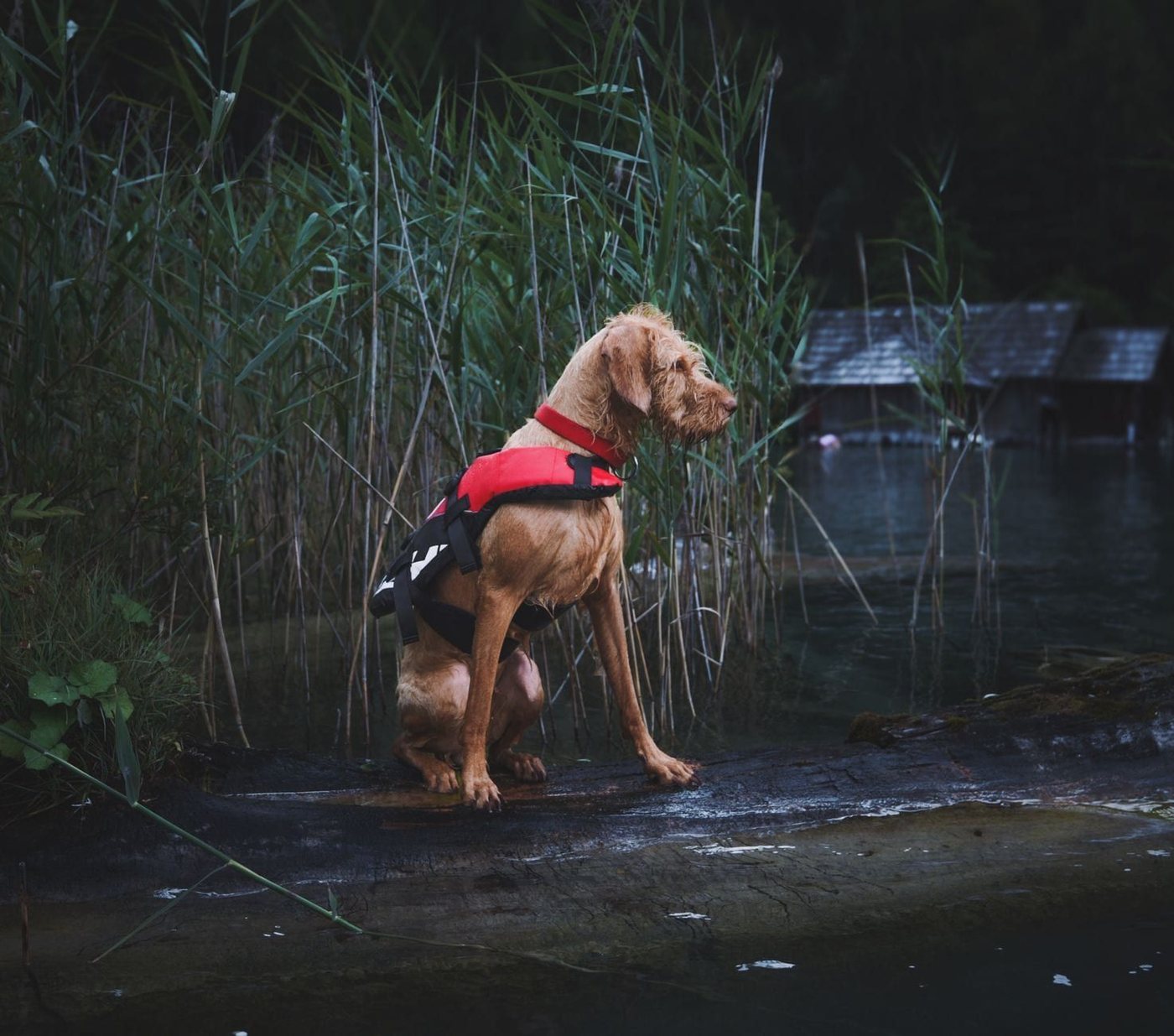
The Hungarian Wire-Haired Pointer is a large hunting breed originating from Hungary, registered under FCI No. 239 in the Continental Pointing Dog Group. In its homeland, it is known as the Drótszőrű Magyar Vizsla and differs from its smooth-haired relative primarily in its rough, medium-length coat, which makes it better suited to working in thickets and colder weather. Males measure 58–64 cm at the withers, females 54–60 cm.
This is a dog with a high need for exercise and mental stimulation, which requires active involvement in work or at least more demanding training - without this, it easily becomes restless. It is sociable towards people and is friendly towards children, but requires a strong bond with the family and cannot stand being left in the yard. It is not very suitable for beginners or for an apartment, but on the contrary, it offers active owners with time for training and walking a hardy companion with a strong hunting nature.
Professionally consulted
The content was created in cooperation with the veterinary clinic Veterinární klinika VYVET sro and MVDr. Adam Hylák.
Quick overview
What is the Hungarian Wirehaired Pointer like?
The Hungarian Wire-Haired Pointer (Drótszőrű Magyar Vizsla, Hungarian Wire-Haired Pointer) is a large hunting breed from Hungary, classified in FCI Group 7 among continental pointers. The male measures 58–64 cm at the withers, the female 54–60 cm, and its typical feature is a rough, medium-length coat complemented by prominent eyebrows and whiskers, thanks to which shedding remains at a low level. By temperament, it is an energetic, persistent dog with a high need for exercise and mental stress - without enough work and stimuli, it easily becomes restless.
It is a dog strongly attached to its family and tolerates the company of people better than solitude, it usually gets along with dogs without any problems, with cats it depends on the specific nature and habits. It is friendly with children, but due to its temperament and demands for training and running, it is not suitable for beginners or for apartment breeding. The ideal owner is an active person with experience with hunting breeds, who can offer it enough space, exercise and meaningful content.
Origin and history of the Hungarian Wirehaired Pointer
The Hungarian Wirehaired Pointer, originally Drótszőrű Magyar Vizsla, was created in the 1920s in Hungary as a controlled attempt to create a pointer resistant to the harsh climatic conditions and dense, thorny vegetation of the Hungarian lowlands and border areas. The basis was the older Hungarian Shorthaired Pointer, whose short coat did not provide sufficient protection when working in freezing weather and thickets. Breeders therefore crossed the Shorthaired Vizsla with wirehaired breeds from Central Europe - the German Wirehaired Pointer (Poodle Pointer) and related wirehaired lines are mentioned, through which the desired coarse, insulating coat was introduced into the breed.
The aim of the breeding was a universal hunting dog capable of searching, showing and bringing game in the field and in the water, while retaining the typical temperament and working commitment of the Hungarian hounds. The new line gradually established itself as an independent breed and gained recognition within the Hungarian cynology, which was followed by international recognition by the FCI. The standard was developed under the auspices of the Hungarian cynological organization and the breed was classified in the 7th group of the FCI among continental hounds.
Outside of Hungary, the breed eventually spread to other European countries and overseas, where it was adopted by hunters looking for a hardy and versatile hound with a thick coat suitable for colder climates. National clubs were established in countries such as the United Kingdom and the United States, which are still dedicated to breeding and promoting the breed today.
Appearance and size
The Hungarian Wirehaired Pointer is a large, harmoniously built dog with a height at the withers of 58–64 cm for males and 54–60 cm for females. Its body is firm, muscular and dry, without signs of heaviness - the overall impression is that of a hardy runner capable of long work in the field.
The head is symmetrical, with a prominent but not coarse skull and a gradually tapering muzzle. The ears are set low, hanging and close to the cheeks, the eyes are oval in shape and their shade matches the coat color. The head is characterized by thick eyebrows and a beard on the muzzle, which give the expression a rough, "austere" touch typical of wirehaired pointers.
The coat is coarse, close-fitting, medium-length, complemented by a dense undercoat, thanks to which the breed better tolerates cold and damp weather and work in thickets. It is this type of coat that distinguishes the Hungarian Wirehaired Pointer from its short-haired relative. We will discuss the color solutions of the coat in a separate section.
Body structure and tail
The chest is deep and spacious, the back is firm, the belly is slightly tucked in. The tail is set a little lower and carried horizontally or slightly above the back line, in some breeding traditions it is carried to the end.
There is a noticeable difference between the sexes, especially in height and overall strength - males appear more robust, females are more slender and lighter in frame, which corresponds to the common sexual dimorphism in hunting breeds.
Hungarian Wirehaired Pointer Colors
The FCI standard No. 239 for the Hungarian Wirehaired Pointer defines, in addition to the body structure, also the requirements for the color and structure of the coat, but their exact list is based on the current wording of the standard, which we recommend checking directly with the breed club or the Czech Kennel Club. Therefore, we prefer not to speculate on specific shades and possible deviations from the standard and refer interested parties to the official documentation of the breed.
Hungarian Wirehaired Pointer Personality
The Hungarian Wirehaired Pointer is a dog with a highly developed sense of cooperation - it needs to be in constant contact with its owner and the activities it does are primarily for him, not for itself. Its high need for company is also manifested in the fact that it has difficulty enduring long-term separation and prefers family life to a solitary existence in the yard or in an enclosure.
This is a dog with high energy and an equally high need for mental stimulation - mere physical exhaustion is not enough for him if his mind is not involved. The combination of hunting passion, intelligence and sensitivity to the owner's moods makes him a dog that is docile, but at the same time capable of his own judgment - in the field he often makes his own decisions, which can slow down training, although his willingness to cooperate is generally good. The training difficulty is therefore at a medium level - this is not a breed that requires extreme toughness, but without consistency and clear rules he can easily assert his own will.
It is friendly towards family members, including children, and usually gets along well with other dogs, adapting to their temperament. Its relationship with cats and other small animals is rather neutral and depends on specific experience and socialization. It uses barking to an appropriate extent - it draws attention to an unusual situation, but it is not a dog that barks for no reason or excessively.
Typical manifestations in everyday life
- strong bond with the owner and dislike of long-term loneliness
- lively temperament requiring regular physical and mental exercise
- hunting instinct, which is manifested by an interest in the scent trails and movement of small game
- the ability to make independent decisions in the field, which requires a patient and consistent approach in training
- friendliness towards children and tolerance towards other dogs in the family
Hungarian Wirehaired Pointer and children
They are more likely to be suitable for children, which for a hunting breed with a high need for activity and mental stimulation means one thing - the relationship with a child works best where the family can offer the dog enough exercise and occupation. An energetic, temperamental dog without exhaustion easily transfers excess energy into inappropriate behavior, whether it is pulling on the leash, jumping or speaking louder, which may not be well tolerated with small children.
A strong need for companionship makes this hound a dog that seeks contact with the whole family, including children, but at the same time does not tolerate long-term loneliness and isolation. This needs to be taken into account when planning the daily routine of a household with children - the dog should not spend long hours alone while the family deals with other responsibilities.
Socialization and upbringing
The medium level of training means that the dog needs consistent and early socialization, ideally from puppyhood, when it gets used to common situations in a household with children - noise, sudden movements, play and quiet moments. Without adequate training, the innate hunting temperament can lead to impulsive behavior, which needs to be directed with consistent guidance with children.
- Involving children in simple commands and caring for the dog promotes mutual respect.
- Teaching your child to recognize the signs of a dog being tired or overtired prevents unwanted reactions.
- Regular physical and mental exercise reduces the risk of restless behavior in the presence of children.
Adult supervision
Even with a breed that is friendly to children, an adult should always supervise the time spent with small children and the dog. This is a relatively large and strong dog that can get carried away when playing, so supervision is especially important in the first years of living together, until the dog and child get used to each other's boundaries.
Hungarian Wirehaired Pointer and other dogs and pets
He gets along well with other dogs and easily joins a pack or socializes on walks and in a dog group. This is a breed bred as a versatile hound for tracking and retrieving shot game, which is also reflected in his current behavior towards small animals - his innate hunting instinct remains strongly developed, so it is necessary to take into account that small animals in motion (rodents, birds, freely running poultry) can trigger his hunting instinct.
The relationship with cats is individual and depends primarily on how the dog was accustomed to cats from puppyhood. If it grows up with a cat from a young age, it usually gets used to it and accepts it as part of the household. However, for an adult who has not yet encountered cats, it is wise to introduce new contact gradually and under supervision.
Recommendations for households with multiple animals
- Small rodents and ornamental birds should be kept out of reach - a hunting dog of this type sees them as potential prey, not as roommates.
- They handle encounters with other dogs well, but will appreciate the opportunity for regular exercise and play in a pack, as they are a social breed with a high need for contact.
- Living with a cat has the best chance of success if both animals grow up together from puppyhood.
Is the Hungarian Wirehaired Pointer suitable for an apartment?
Probably not. This breed is only exceptionally suitable for an apartment environment, as it is a large dog with a high need for exercise and mental stimulation, which is not suited to a smaller space or an urban lifestyle in the long term.
For a happy life, the Hungarian Wirehaired Pointer mainly needs enough space - ideally a family house with a garden, from where it has easy access to the outside and the opportunity to relax even outside of planned walks. An apartment can only function as a place to sleep and rest, not as a main living space, because the dog spends most of its energy on the need to actively work and move.
Peace and balance only come after a good dose of exercise - without it, he tends to be restless and harder to handle in the household. Given his high need for activity and mental stress, short walks are not enough for him, but rather longer runs, training or hunting activities that correspond to his working nature.
This breed has a moderate barking rate, so in an apartment building with thin walls and close neighbors it can pose a certain risk of conflict, especially if the dog is often left alone or does not have enough exercise. Due to its high need for company, it also does not tolerate long-term loneliness, which is another factor that makes an apartment as a year-round home rather inadvisable.
How much exercise does it need?
The Hungarian Wirehaired Pointer needs at least two hours of thorough exercise per day, ideally divided into longer walks supplemented with free movement off-leash in a safe place. This is a breed bred for all-day field work, so a short walk around the house is far from sufficient.
Suitable activities
This breed will perform most naturally in activities that utilize its hunting instincts and endurance:
- accompaniment during running, cycling or longer treks in the field
- canicross and other pulling sports
- agility and other agility disciplines
- dog trekking and multi-day nature trips
- classic hunting training and work in the field or in the water
Due to their high need for mental stimulation, physical exercise alone is not enough – the dog will also appreciate sniffing games, finding objects or regular obedience training, which will keep the mind busy as well as the body. Without enough stimulation, such an active and intelligent breed can easily develop undesirable behaviors out of boredom, such as destruction or excessive barking.
The rough coat provides some protection when working in thickets and colder weather, but it is still advisable to adjust the intensity and timing of activity during the hot summer months so that the dog does not overheat, and to provide it with plenty of water and shade.
Training and education
A more experienced owner can handle the training without much difficulty, as this is an intelligent and cooperative dog - but the key is to find the right motivation and keep him busy. He responds best to positive leadership based on treats, praise and hunting prey, harsh methods or monotonous repetition of exercises, on the contrary, easily dull his interest in work.
Short, frequent and variable training sessions work better than long sessions on one exercise. The hound needs to feel like he is doing something meaningful, so it is a good idea to combine training with scent games, fetching, or elements of dog trekking or agility - boredom leads to creativity, which the owner usually doesn't like.
Socialization and specifics
Due to the high need for human company, the puppy is accustomed to contact with different people, animals and the environment from the beginning, so that its sensitivity does not turn into excessive vigilance or separation anxiety. Meeting other dogs usually goes without problems, but the reaction to cats and small animals needs to be monitored individually due to hunting instincts.
- Short, regular training sessions with a clear structure produce better results than long lessons.
- Treats, play, and the ability to use your sense of smell are among the strongest motivators.
- Lack of mental exercise is manifested by restlessness, barking, or destructive behavior.
- Early socialization helps manage his sensitivity to environmental stimuli.
Hair care and hygiene
The Hungarian Hound's rough coat requires regular brushing once a week to remove dead undercoat and maintain the characteristic hard structure of the guard hairs, including the distinctive bearded stubble on the muzzle and bushy eyebrows. Due to the type of coat, the dog attracts relatively little dirt and the breed sheds moderately, so it does not burden the household with excessive hair.
Bathing should only be done exceptionally, as frequent washing disrupts the protective structure of the rough coat and washes away the natural oils that protect it from moisture and dirt when working in the field. Given its hunting use, it is advisable to thoroughly brush and check the coat after a trip to nature and water rather than reaching for shampoo.
Trimming
To keep the coat wiry and prevent it from becoming soft or wavy, regular trimming (pulling out dead hair) is recommended instead of clipping. In show and working dogs, this maintains a functional coat structure that is resistant to weather and undergrowth.
Ears, eyes, claws and teeth
- Loose, slightly hairy ears should be checked regularly, as hunting breeds with hanging ears tend to accumulate moisture and dirt more easily, increasing the risk of inflammation.
- Just wipe your eyes occasionally and watch for any discharge or redness.
- It is advisable to shorten the claws according to wear and tear - in an active dog with plenty of exercise on hard surfaces, they naturally wear down less often than is usual in less active breeds.
- Dental care through regular brushing or chewing aids helps prevent tartar formation.
Feeding
Due to its high activity and work commitment, this hound needs a high-quality complete food with a sufficient content of animal proteins and fats, which will cover the energy expenditure associated with long walks, training and hunting. The choice of a specific type of food (granules, raw BARF food, cooked food) depends on the owner's preferences, but it should always be a nutritionally balanced diet appropriate to the dog's age, size and level of stress.
Adaptation according to age and load
A puppy and a young growing dog have different nutrient requirements than an adult working dog or an older senior with less activity. The feed ration should be adjusted continuously depending on how intensively the dog is working at a given time - during the hunting season or during more demanding training, the energy requirement is significantly higher than during periods of rest.
- Puppies and young dogs: food that supports gradual and even growth, without unnecessary excess energy.
- Active adults: sufficient intake of proteins and fats corresponding to actual physical activity.
- Seniors and less active dogs: adjust the dose downwards to avoid weight gain.
Regular body condition checks are important for this breed – even though it is a lean and muscular dog with a naturally high energy output, a lack of exercise or disproportionately high food intake can lead to overweight, which puts a strain on the joints and musculoskeletal system. Feeling the ribs and observing the dog's silhouette from the side and above are simple ways to continuously assess its condition and adjust the food intake as needed.
How long does a Hungarian Wirehaired Pointer live?
The exact numerical range of lifespan for this breed cannot be stated without a reliable source. In general, large hunting breeds with a balanced body structure and without extreme physical characteristics tend to have a higher lifespan if the dog lives in appropriate conditions throughout its life.
What influences life expectancy the most?
In addition to the genetic basis, which varies between lines, the dog's overall lifestyle plays a crucial role.
- The puppy's genetics and background - the health of the parents and the responsible choice of a breeding pair - have a direct impact on the disposition of the dog when it enters life.
- Physical fitness – maintaining a slim, muscular figure without being overweight reduces the strain on joints and internal organs.
- Exercise and enjoyment – the Hungarian Wirehaired Pointer has a high level of activity and needs regular, sufficiently long and varied exercise; lack of exercise or its excess without adequate preparation can lead to health complications.
- Mental stimulation – due to the high need for mental exertion, regular work, training or hunting use also contributes to the dog's overall well-being.
- Preventive veterinary care – regular check-ups, vaccinations and early detection of potential problems prolong active and healthy years of life.
- Nutrition – a quality diet appropriate to age, activity level and body weight supports proper metabolism and a healthy musculoskeletal system in the long term.
- Health predisposition - the breed may have an increased predisposition to certain hereditary diseases, so it is advisable to monitor the dog's health throughout its life and consult a veterinarian about any symptoms.
Who is the Hungarian Wirehaired Pointer suitable for?
The Hungarian Wirehaired Pointer is a hunting dog built for all-day field work, and its daily needs correspond to this - without enough exercise and mental exertion, it can easily become an unruly and frustrated companion.
Who is the breed suitable for?
- For active people who spend a lot of time outdoors and can offer their dog intense daily exercise, ideally in the form of work or dogsport.
- For hunters and owners looking for dogs with good training potential for work in the field and near water.
- For families with children who want to involve their dog in joint activities and trips.
- For households where the dog will spend most of its time in the presence of people - long periods of alone time are not suitable for it.
- For owners living in a house with a garden or with good access to nature, where their exercise and hunting instincts can be regularly satisfied.
- For breeders who can provide the dog with psychological stimulation - training, scent games, various walks.
Who is the breed not suitable for?
- For beginners with no experience in training hunting breeds who would not be able to channel his energy and work commitment.
- For seniors and people with limited physical fitness who would find long-term high demands on movement difficult.
- For apartments in the city without the possibility of regular exercise - the enclosed space and lack of stimuli are not suitable for him.
- For households where the dog would spend most of the day alone - a strong bond with the family leads to stress and undesirable behavior when left alone.
- For owners who want a quiet sofa companion without demands for active spending of time.
Interesting facts about the breed
The original Hungarian name of the breed is Drótszőrű Magyar Vizsla, in English the breed is called Hungarian Wire-Haired Pointer. It originated in Hungary and is registered under FCI number 239 within Group 7 (Continental Pointers).
Unlike its smooth-coated relative, the Hungarian Shorthaired Pointer, this dog has a medium-length, harsh coat that provides better protection when working in thickets and water. Despite its thicker coat, it is a breed with a low shedding rate.
It is a hardy field hunter with a high need for exercise and mental exertion - this makes it a companion for active owners rather than for apartment keeping or beginners. It builds a strong bond with its family and does not tolerate long-term loneliness.
Hungarian Wirehaired Pointer Health
The Hungarian Wirehaired Pointer is a robust working breed bred for long hours in the field, which is reflected in its overall physical constitution. The specific health predispositions of this breed are not described in sufficient detail in generally available breeding materials to be able to specify them here. Those interested in a puppy should therefore rely primarily on information from the breeder and on the results of health examinations of the parents, which are required by breed clubs affiliated under the FCI breed standards. Given the high activity and work commitment of the breed, it is advisable to pay attention to gradual physical exertion during the growth period.
Eyes
In hound breeds, responsible breeding involves regular ophthalmological examinations of breeding individuals, which are carried out by specialized institutions. Those interested in a puppy can ask the breeder whether the parents have been examined in this regard.
Locomotor system
This is a large, athletic breed with high exercise requirements, used to working in difficult terrain. For growing puppies, appropriate exercise appropriate to their age is recommended to prevent overexertion of the joints and skeleton during the development period.
Hair and skin care
The medium-length, coarse coat requires regular grooming, including removing dead hair, although the breed does not shed much. Regular skin checks after returning from the field, especially in the ear area and between the toes, are common preventative care for active hunting dogs.
What to look for when choosing a puppy
- Ask the breeder about the health examinations of the parents, especially ophthalmological ones.
- Verify whether the breeder is registered with the Rough-haired and Hungarian Hound Breeders' Club or a similar organization under the Czech Kennel Club.
- Monitor the overall vitality, body structure, and behavior of the puppy and its siblings.
- Be interested in the conditions of breeding and the level of early socialization, which is important for an active working breed.
Known predispositions
The breed is described to have an increased predisposition to:
- to hip dysplasia.
- to entropion (inward rolling of the eyelid), typically in the lateral lower eyelid area in young individuals around 5–6 months of age.
- to distichiasis (abnormal growth of eyelashes towards the eye).
- to glaucoma, including in connection with pectinate ligament anomaly (PLA), or in adults aged 6–9 years.
- to persistent pupillary membranes (residual tissue in the anterior chamber of the eye).
- to epithelial/stromal corneal dystrophy, usually in individuals aged 2–3 years.
- to idiopathic inflammatory polymyopathy manifested by difficulty swallowing and muscle atrophy.
Discussed risks
The breed is described to have an increased predisposition to:
- to idiopathic epilepsy.
- to hypothyroidism (reduced thyroid function).
- to hyperuricosuria (HUU) leading to the formation of blockages/stones in the urinary tract.
This overview is for informational purposes only and does not replace the examination or recommendations of a veterinarian.
What to buy for a Hungarian Wirehaired Pointer
Practical basis that is suitable for this breed:
- Toys – Dog toys – fetching, chewing and interactive.
- Cosmetics – Shampoos, conditioners and hair care products.
- Bowls – Feed and water bowls, anti-swallow bowls and stands.
- Collars – Dog collars – leather, textile and semi-tight.
- Beds – Beds and mattresses for dogs of all sizes.
- Leashes – Leashes, switch leashes and tracking lines.
Useful instructions
Practical tips that are useful when caring for a dog:
Frequently asked questions
Is the Hungarian Wirehaired Pointer suitable for an apartment?
Rather not - it is a large active breed with a high need for exercise and mental stimulation, which mainly needs access to outdoor space and enough daily exercise. In an apartment without sufficient exercise, it quickly shows restlessness or destructive behavior.
Is the Hungarian Wirehaired Pointer suitable for beginners?
Probably not, because it requires a consistent and more experienced approach to training and ensuring sufficient hunting or sporting activities. Without experience with hounds, an owner can easily underestimate the demands for activity and mental stimulation.
How good is the Hungarian Wirehaired Pointer with children?
Rather, yes – it is a social breed with a high need for contact with the family. However, due to its high energy, it is more suitable for more active households where both children and the dog can enjoy outdoor activities together.
How much hair does a Hungarian Wirehaired Pointer shed and how difficult is its care?
This breed sheds very little, has a rough, medium-length coat, and requires moderate care. Due to the nature of its coat, it does not require frequent bathing or intensive grooming, but regular brushing helps keep it in good condition.
Why does the Hungarian Wirehaired Pointer have a rough coat unlike the Hungarian Shorthaired Pointer?
The rough coat was created by purposefully crossing the German Wirehaired Pointer to make the dog better able to withstand the cold and dense vegetation when hunting in water and thickets. This characteristic distinguishes it from the closely related Hungarian Shorthaired Pointer and also gives it a slightly more robust body structure.
How much exercise and enjoyment does the Hungarian Wirehaired Pointer need?
The need for exercise is high - this is a working hunting breed bred for all-day field work. In addition to physical exertion, it also needs significant mental stimulation, ideally in the form of training, tracking or other targeted work.
Does the Hungarian Wirehaired Pointer get along with cats and other animals?
The relationship with cats is rather neutral, depending on socialization and the individual nature of the individual. It gets along well with dogs, which is also related to its social nature and need to be in contact with its surroundings.
Is the Hungarian Wirehaired Pointer suitable as a hunting dog?
Yes, it is a versatile hunting dog used to track, point and retrieve game, even in water. This original working focus is reflected in its high activity level and need for meaningful exercise outside of hunting.
Are there any health issues with the Hungarian Wirehaired Pointer?
As with other active hunting breeds, it may be prone to musculoskeletal problems associated with high physical exertion. However, the specific health condition is always individual and depends on the dog's breeding and lifestyle.
Is the Hungarian Wirehaired Pointer suitable for seniors?
Probably not, as its high demands on exercise and mental activity are difficult for less physically active owners to handle. The breed needs a partner who can provide it with enough regular exercise.
How much does a Hungarian Wirehaired Pointer bark?
This breed has a moderate barking rate, responding to specific stimuli rather than barking for no reason. However, due to its high need for companionship, it can become louder if left alone for long periods of time.
Resources and further information
- Club of breeders of rough-haired and Hungarian hounds, zs
- Wirehaired Vizsla Club of America
- Hungarian Wire-Haired Vizsla Club of Great Britain (HWVC)
- List of breeds – Hungarian Wirehaired Pointer (FCI No. 239) – Czech-Moravian Cynological Union (CMKU)
- Club of Breeders of Rough-haired and Hungarian Hounds – ČMKU
- FCI Standard No. 239 – Hungarian Wire-Haired Pointer – Fédération Cynologique Internationale
- Source of body measurements – fci.be
- Wirehaired Vizsla - Wikipedia
- Expert resource – tcvc.org
- Expert resource – ecvo.eu
- Expert resource - ncbi.nlm.nih.gov
- Wirehaired Vizsla Breed Information – Vetstreet (veterinary portal)
- Health Condition Information – Hungarian Wirehaired Vizsla Association – Hungarian Wirehaired Vizsla Association (UK)
Professional cooperation
This breed overview was created in cooperation with the Veterinary Clinic VYVET sro and MVDr. Adam Hylák .